
Tile Roofing Built for Northern Arizona
Tile roofing built for Arizona's intense UV, 150°F+ surface temps, and fast-moving monsoon storms. Concrete and clay tile installation, repair, and replacement across

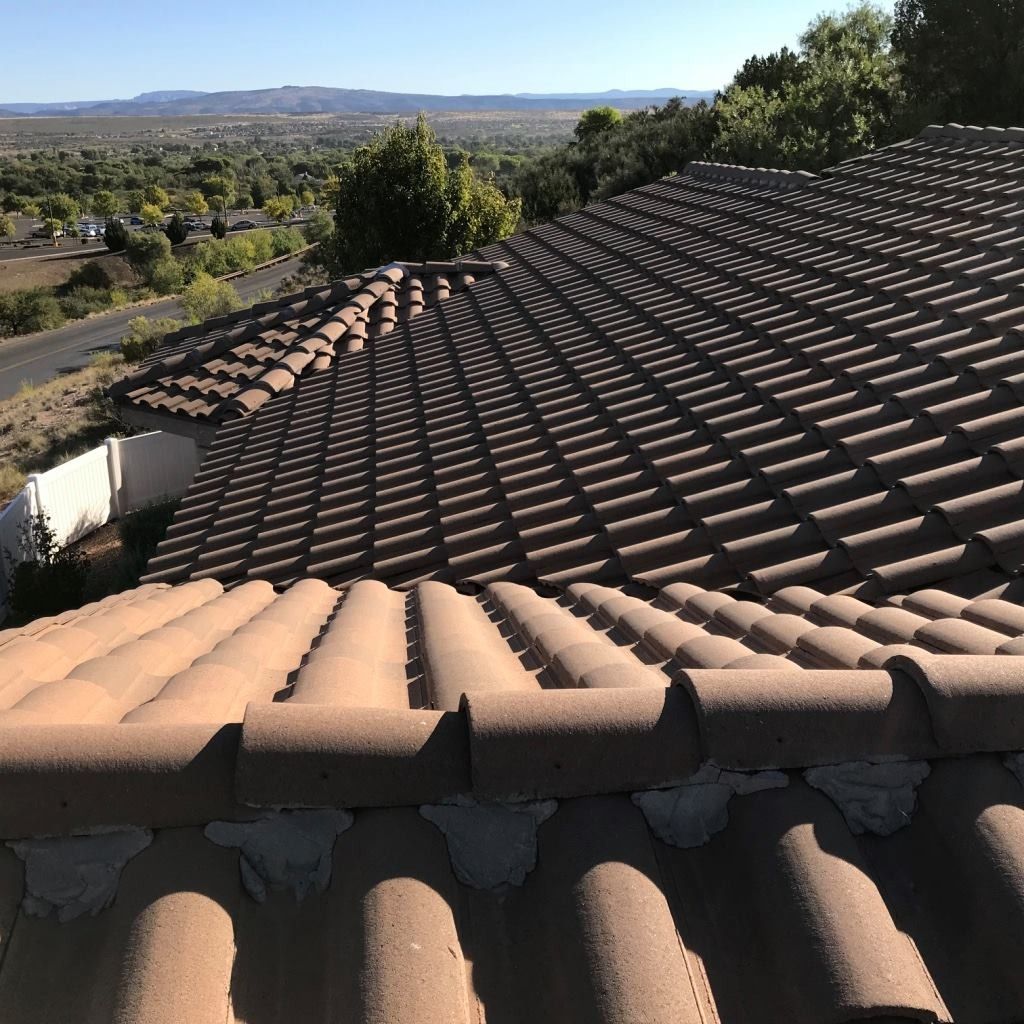
Why Choose Tile Roofing in Arizona?
Tile roofs are a natural fit for homes across Scottsdale, Paradise Valley, Cave Creek, Fountain Hills, Anthem, Sedona, Cottonwood, and the Verde Valley. Designed to handle intense sun, heavy rains, and seasonal winds, tile roofing offers long-term protection with a timeless Southwestern look.
They remain one of the most trusted and iconic residential roof systems in Arizona for homeowners who want performance, longevity, and style. With proper installation, a tile roof can last 50 years or more.
TILE ROOFING
Local Experience You Can Trust
Why Tile Roofing Works So Well in Arizona
Tile roofing has been used in the Southwest for generations, and for good reason. Clay, concrete, and modern composite tiles are built to handle heat, resist fire, and shed water efficiently during monsoon storms.
One of tile roofing's biggest advantages is its thermal performance. The shape and spacing of the tiles allow air to circulate beneath the surface, helping reduce heat transfer into the attic. That means cooler indoor temperatures during summer and less strain on your HVAC system.
Tile roofs are also exceptionally durable.
Many systems are rated to withstand high winds and impact from hail, making them a strong option for Northern and Central Arizona's unpredictable weather patterns. When properly installed and maintained, tile roofs can last several decades, often far longer than asphalt alternatives. From traditional clay profiles to modern concrete and composite styles, tile roofs can complement everything from classic Southwestern homes in Scottsdale and Paradise Valley to newer builds in Fountain Hills and Anthem.
Types of Tile Roofs & Benefits
Tile roof systems vary widely in material, performance, and appearance. The most common residential tile options include:
Clay Tile
Famous for its iconic southwestern look, clay tile offers rich color and natural thermal efficiency. These tiles are non-combustible and resilient under Arizona’s UV exposure.
Concrete Tile
Concrete tiles blend strength and design flexibility. They often mimic clay or slate while delivering robust weather resistance. Because these tiles are heavier, professional assessment of structural support is essential.
Slate Tile
Slate roofs bring a timeless, elegant profile and long lifespan. Each slate piece is unique, contributing to natural variation and curb appeal. Professional installation is key due to weight and precision requirements.
Composite & Synthetic Tile
Modern composite tile options deliver the look of traditional materials with lighter weight and enhanced durability. These systems are increasingly popular for homeowners seeking performance without excessive roof weight.
Metal Tile
While rarer, metal tiles combine the longevity of metal roofs with the visual appeal of tile profiles — a niche choice for customized design goals.

40+
YEARS OF
EXPERIENCE
HAHN ROOFING
3rd Generation Tile Roofing Experts Across Northern and Central Arizona
Tile roofing demands experience. These systems are heavier than many other roofing types and rely on precise underlayment, flashing, and fastening to perform correctly over time. Small mistakes can lead to cracked tiles, water intrusion, or premature failure.
At Hahn Roofing, we take a system-based approach. That means evaluating roof structure, slope, drainage, and exposure before installation ever begins. We account for stucco lines, roof penetrations, and the way water actually moves across your roof during heavy rain.
Our team works throughout Scottsdale, Paradise Valley, Cave Creek, Carefree, Fountain Hills, Anthem, Sedona, Cottonwood, Village of Oak Creek, Cornville, Camp Verde, and surrounding areas. Each of these locations has its own microclimate, elevation, and architectural styles, and we factor that into every tile roofing project we take on.
We walk the property with you, explain your options in plain language, and make sure you understand how your tile roof will be built and maintained. When the job is done, you're left with confidence that it was built correctly, by a local team that stands behind its work.
Why Arizona Homeowners Choose Tile Roofing
Exceptional Durability in Harsh Climate
Clay and concrete roof tiles are engineered to withstand intense heat, high winds, and heavy rain. In conditions familiar across Scottsdale, Paradise Valley, Cave Creek, Fountain Hills, Anthem, Sedona, Cottonwood, and Camp Verde, their robust nature means they don't soften, warp, or break down under prolonged UV exposure the way other materials can.
Long Lifespan with Minimal Replacement
One of tile roofing's biggest advantages is its longevity. Installed correctly, tile roofs often outlast most other roofing materials. Many systems can remain serviceable for 50 years or more, with clay and slate tiles sometimes exceeding 100 years of performance with proper maintenance.
Energy Efficiency That Reduces Cooling Load
Unlike some roofing materials that absorb and transmit heat directly into the attic, tile roofs create natural air pockets between tiles and the roof deck. These air gaps, combined with the thermal mass of the tiles, help slow heat transfer into the home. This cooling advantage can translate into lower energy bills during Phoenix's and Northern Arizona's long, hot summers.
Class A Fire Resistance
Tile roofing carries a Class A fire rating, the highest available, which means it provides excellent protection against fire spread. In dry seasons and areas prone to ember exposure or wildfire risk, this added safety factor is a significant benefit for homes across Cave Creek, Carefree, and Anthem.
Low Maintenance Over Time
While all roofing systems require periodic professional inspection, tile roofs generally demand less frequent maintenance than many alternatives. They resist mold, mildew, and pest damage, and their solid composition means tiles typically need replacement only if cracked or displaced.
Architectural Versatility and Curb Appeal
Tile roofs come in an array of shapes, profiles, and colors that complement Southwestern, Mediterranean, and modern architectural styles. From traditional terracotta curves to contemporary flat or interlocking profiles, tile delivers custom visual impact that enhances property character and value.
Weather Resistance Through the Seasons
Arizona's monsoon storms bring sudden heavy rain and wind gusts, and tile roofing systems are designed to shed water efficiently while resisting uplift. Their weight and anchoring help tile roofs stay put when the weather turns, outperforming lighter materials in many severe weather conditions.
Tile Roof Maintenance and Long-Term Care
Tile is durable, but like any roof system, it benefits from regular checkups, especially after storm season. We offer maintenance and repair support to help you protect your roof for the long haul. That includes inspections to spot cracked, slipped, or broken tiles, flashing checks around penetrations and transitions, sealant touchups where appropriate, drainage and gutter review to help prevent pooling and backup issues, and honest recommendations if something needs attention now vs. later.
Sometimes the fix is as simple as replacing a handful of tiles and dialing in flashing before water has a chance to get where it shouldn't. We build tile roofing systems with those realities in mind, and we serve homeowners across Scottsdale, Paradise Valley, Cave Creek, Carefree, Fountain Hills, Anthem, Sedona, West Sedona, Cottonwood, Village of Oak Creek, Cornville, Clarkdale, Camp Verde, and surrounding areas.