Holiday Storm Prep for Verde Valley Homes
Holiday weather has a way of showing up at the worst time. People are traveling. Family is in town. The house is busy.
And if your roof has a weak spot, that’s when you notice it.
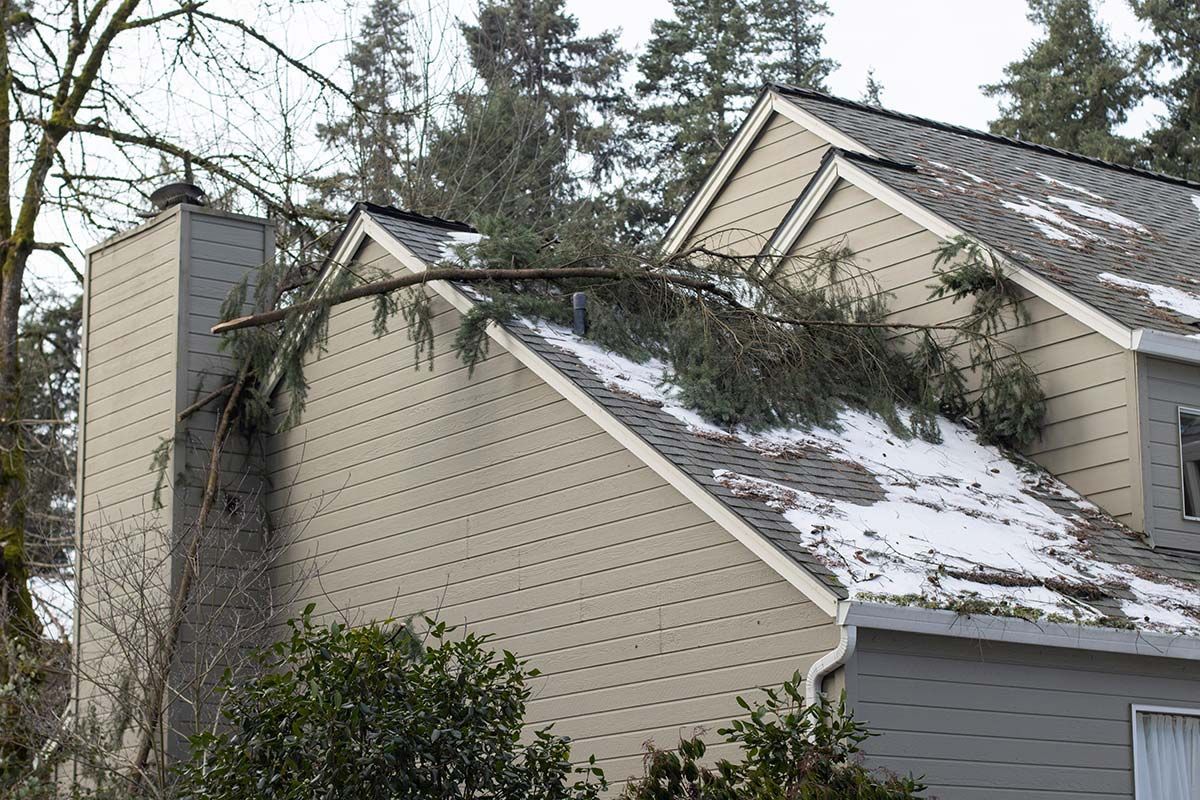
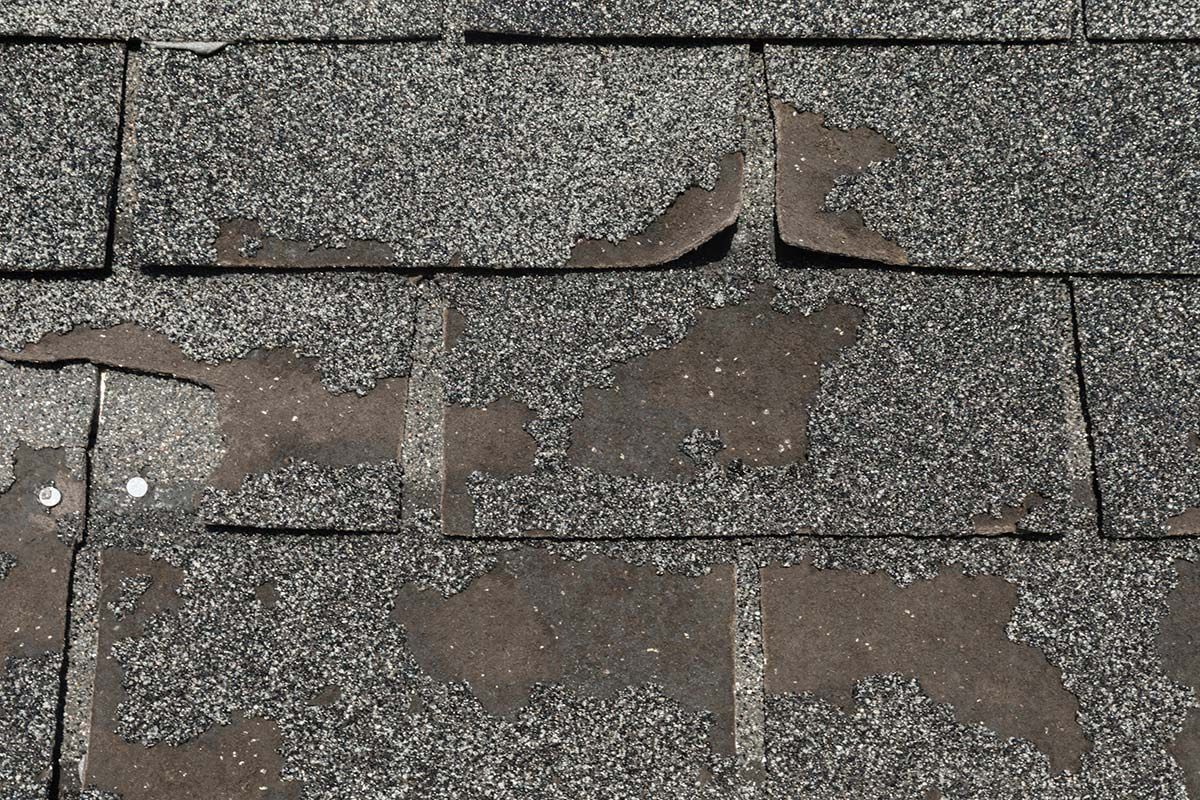
Most winter roof leaks in the Verde Valley aren’t dramatic. They start small. Wind-driven rain gets pushed under an edge. Water backs up where it shouldn’t. A flashing detail that “mostly worked” in September suddenly can’t keep up. The National Roofing Contractors Association also points out that homeowners should assess storm damage from the ground and leave close inspection and roof repairs to pros.
Here’s a simple plan. It’s meant for Sedona, Cottonwood, and the surrounding Verde Valley. It’s also meant for real life, not perfect life.
Before the storm
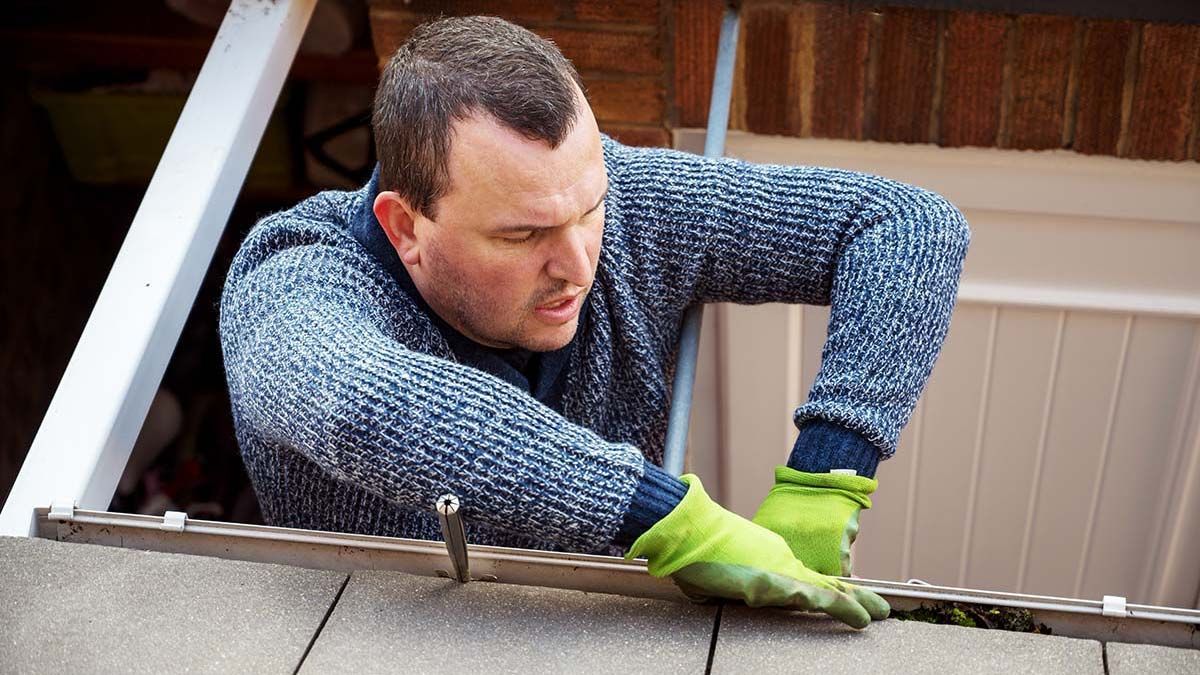
Look at the gutters
If your gutters overflow during rain, water can end up where it doesn’t belong. FEMA includes roof and gutter checks as part of winter readiness, and it’s one of the highest “return on effort” tasks you can do. FEMA
Do a quick ground-level scan
Walk the perimeter and look at anything that interrupts the roof plane.
- Chimney flashing
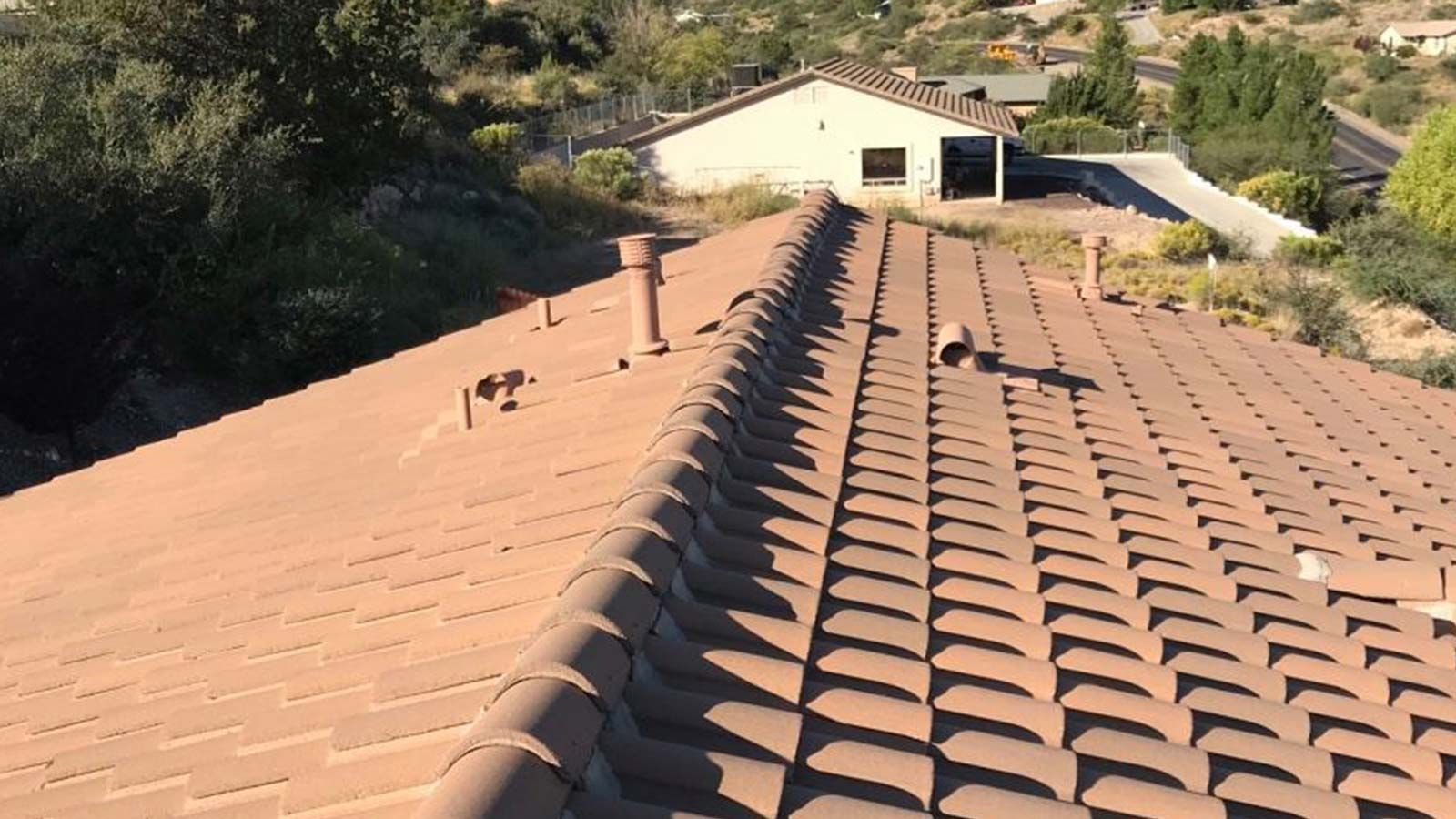
- Vent pipes
- Skylights
- Any roof-to-wall transitions
You’re not diagnosing. You’re spotting “something looks off.”
Trim what’s close
If a branch is already grazing the roof, winter wind is going to do the rest. This is about preventing damage, not making the yard pretty.
Know where your shutoffs are
If a leak hits a light fixture or outlet, that becomes an electrical problem fast. The American Red Cross advice is clear: if you see sparks, damaged wires, or smell hot insulation, shut off power at the breaker and don’t stand in water to do it. Red Cross

During the storm
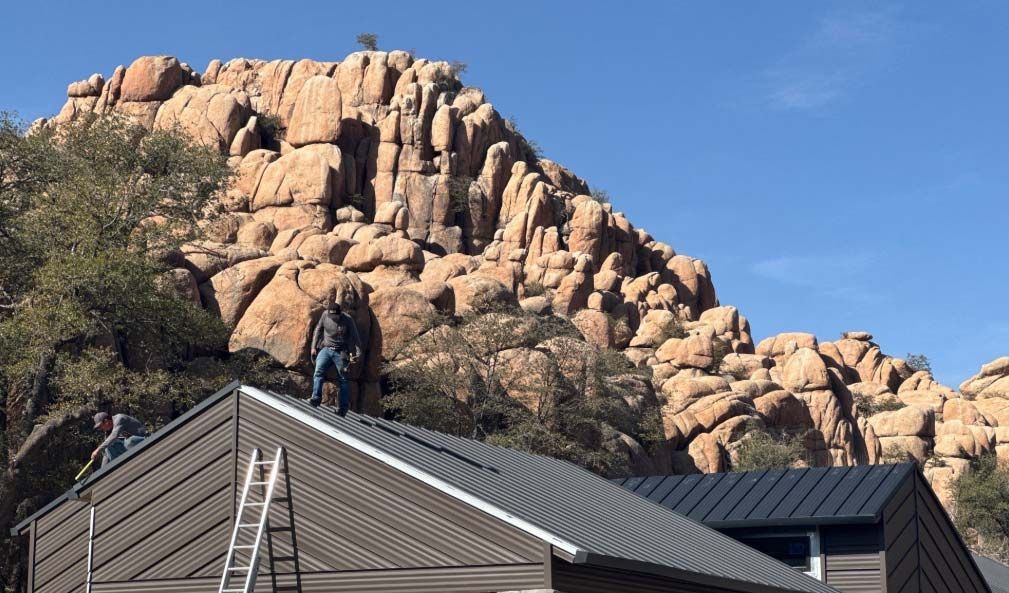
Don’t climb on the roof
This is the part where people get hurt. Wet surfaces, wind gusts, slick debris. None of it is worth it.
Contain the water inside
Use a bucket. Put down towels. Move anything you care about. If you see bubbling paint or a sagging ceiling area, that’s a warning sign. Water is pooling above drywall.
Relieve pressure if the ceiling is bulging
If it’s clearly ballooning, you can reduce the risk of a larger collapse by carefully puncturing a small hole in the lowest point and catching the water in a bucket. Go slow. This is messy, but it can limit the damage.
Watch for electrical danger
If water is near outlets, cords, or ceiling fixtures, stop and treat it like an electrical hazard first. Shut off the power
to that area. If you’re not sure which breaker controls it, shut off the main and call for help.

After the storm
Check the attic if you can do it safely
If you have attic access and it’s easy to get to, take a flashlight up and look for wet wood, drips, or dark staining. Don’t step off a joist. Don’t compress insulation. If it’s tight or sketchy, skip it.
Look outside again
You’re looking for simple clues.
Fresh debris in valleys
Something lifted or shifted
A downspout that dumped right next to the foundation
Take a few photos
If you end up needing a repair, photos help. If you end up filing a claim, photos really help.
Let it dry
If you had any interior moisture, get air moving. Fans. Open windows when weather allows. Drying early reduces the chance of mold.
What not to do
Don’t smear caulk on the problem and call it fixed
It usually fails. It also makes a clean repair harder later.
Don’t spray foam into gaps
Same deal. Temporary “fix,” permanent headache.
Don’t pressure wash the roof
You can drive water under roofing material and create a leak you didn’t have.
When it’s time to call Hahn Roofing
Call if you see any of this.
- A recurring leak that only happens in wind-driven rain
- A ceiling stain that grows after each storm
- Loose flashing around a chimney, vent, or wall detail
- Visible lifting at an edge or ridge
If you’re in the middle of holiday chaos, this is the simplest move. Get the leak stopped. Then make a plan.
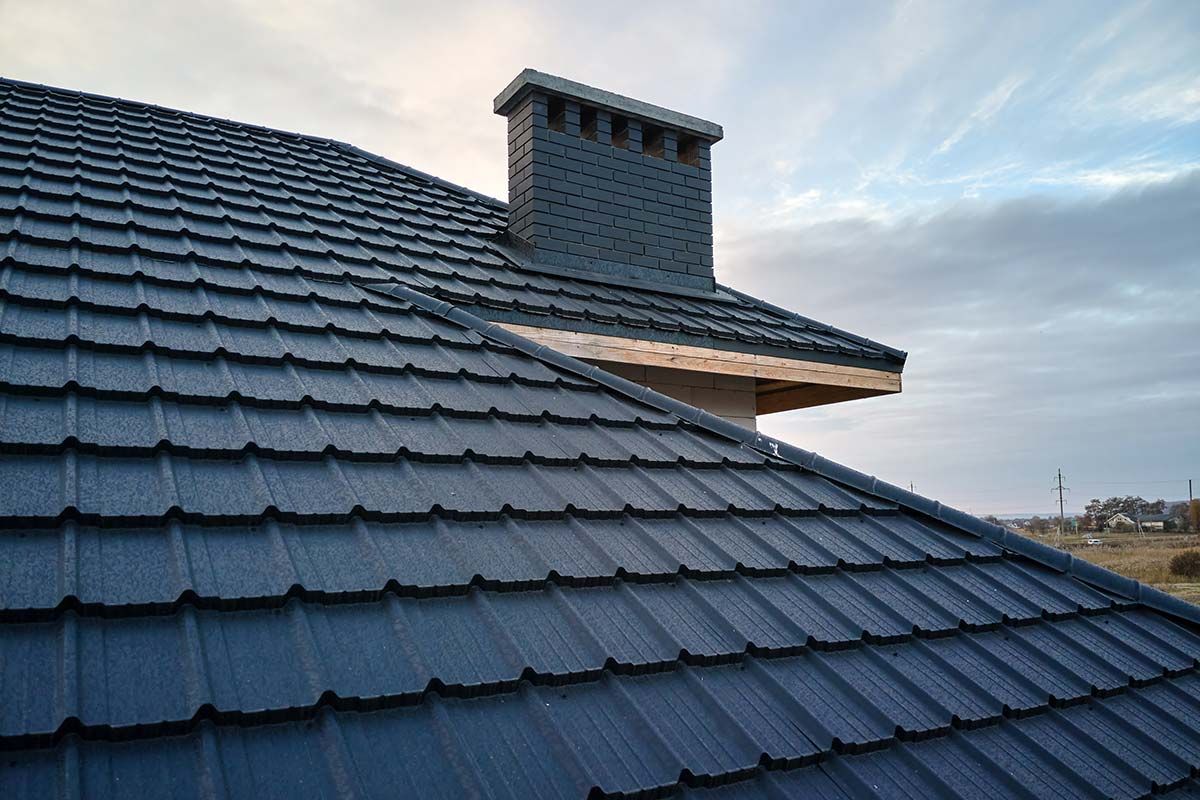
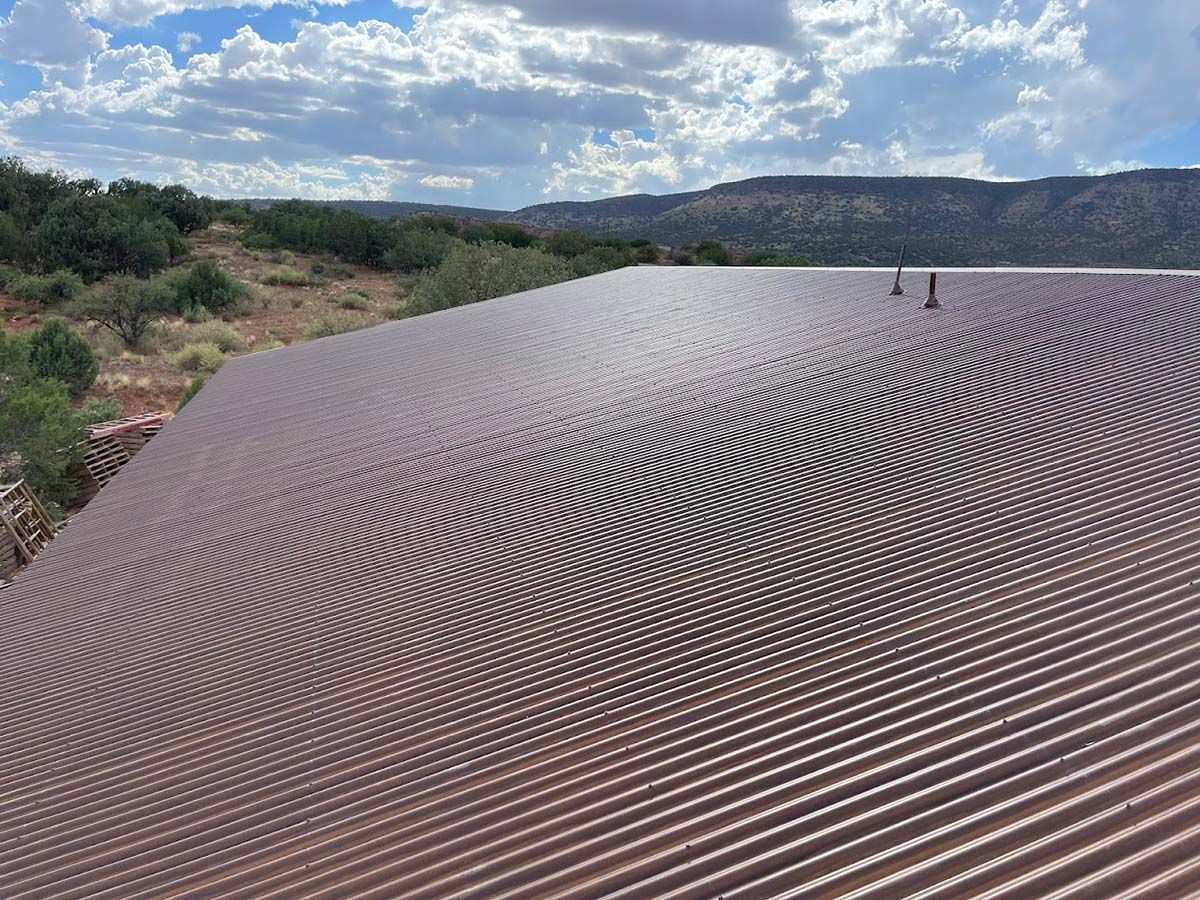
If you’re also thinking bigger picture and want to look at long-term options, you can learn more on our metal roofing page.
And if you want us to take a look at your roof in Sedona, Cottonwood, or the Verde Valley, use our contact form and we’ll get you on the schedule.