What is a Metal Shingle Roof?
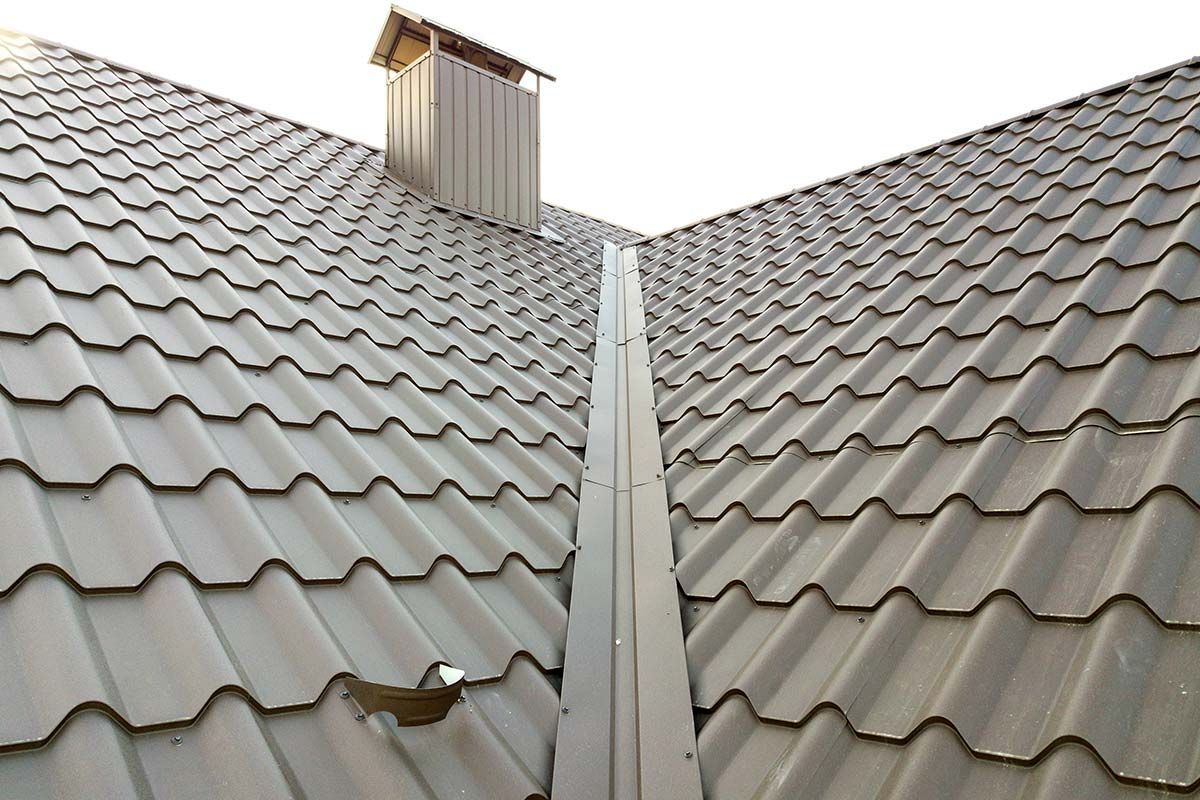
A metal shingle roof is a metal roof that goes on in small pieces, not long panels. The shingles overlap as they’re installed, and many systems are made to lock together so the surface stays tight in wind and weather.
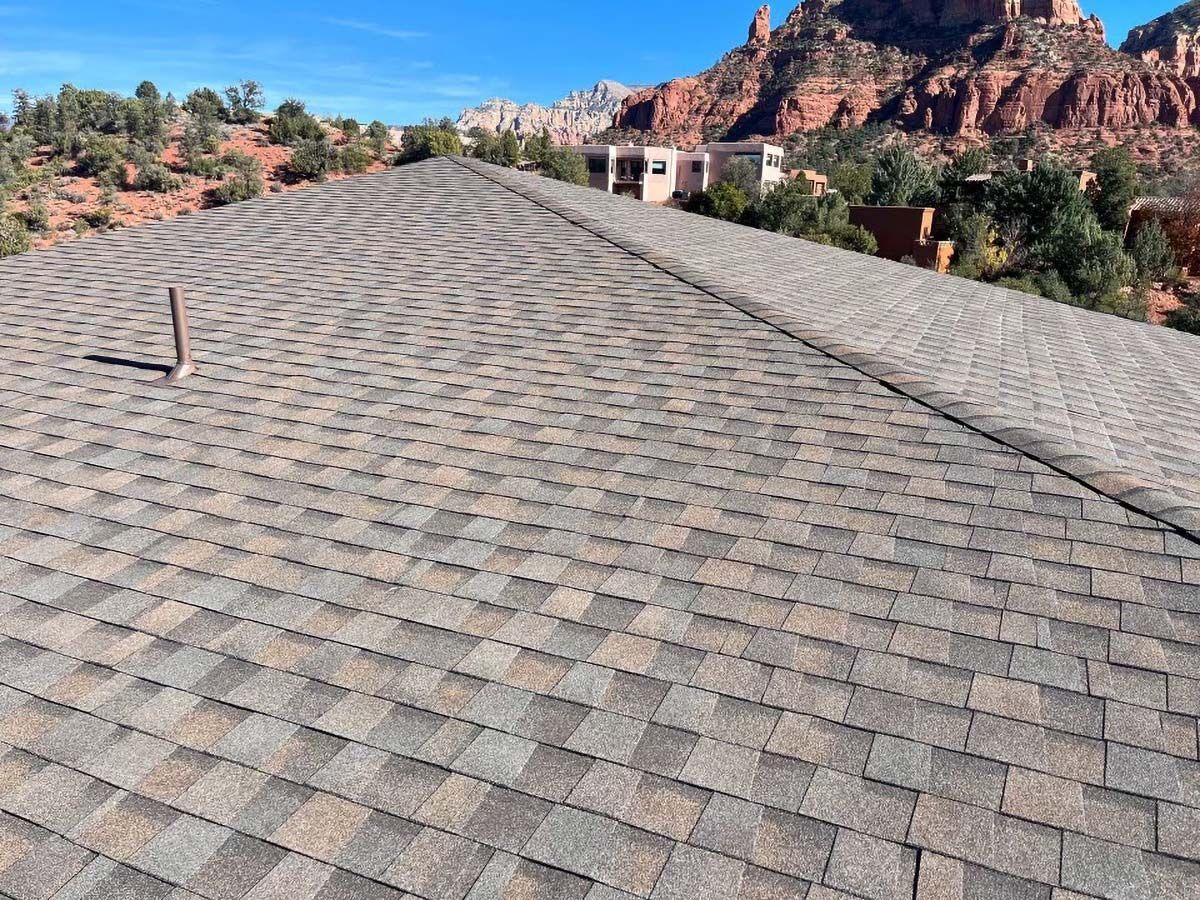
If you’re picturing a typical asphalt shingle roof, the look can be similar from the street. The difference is the roofing material itself. Asphalt shingles are asphalt-based and use surface granules for protection, while metal shingles rely on formed metal and the way the system is fastened and interlocked.
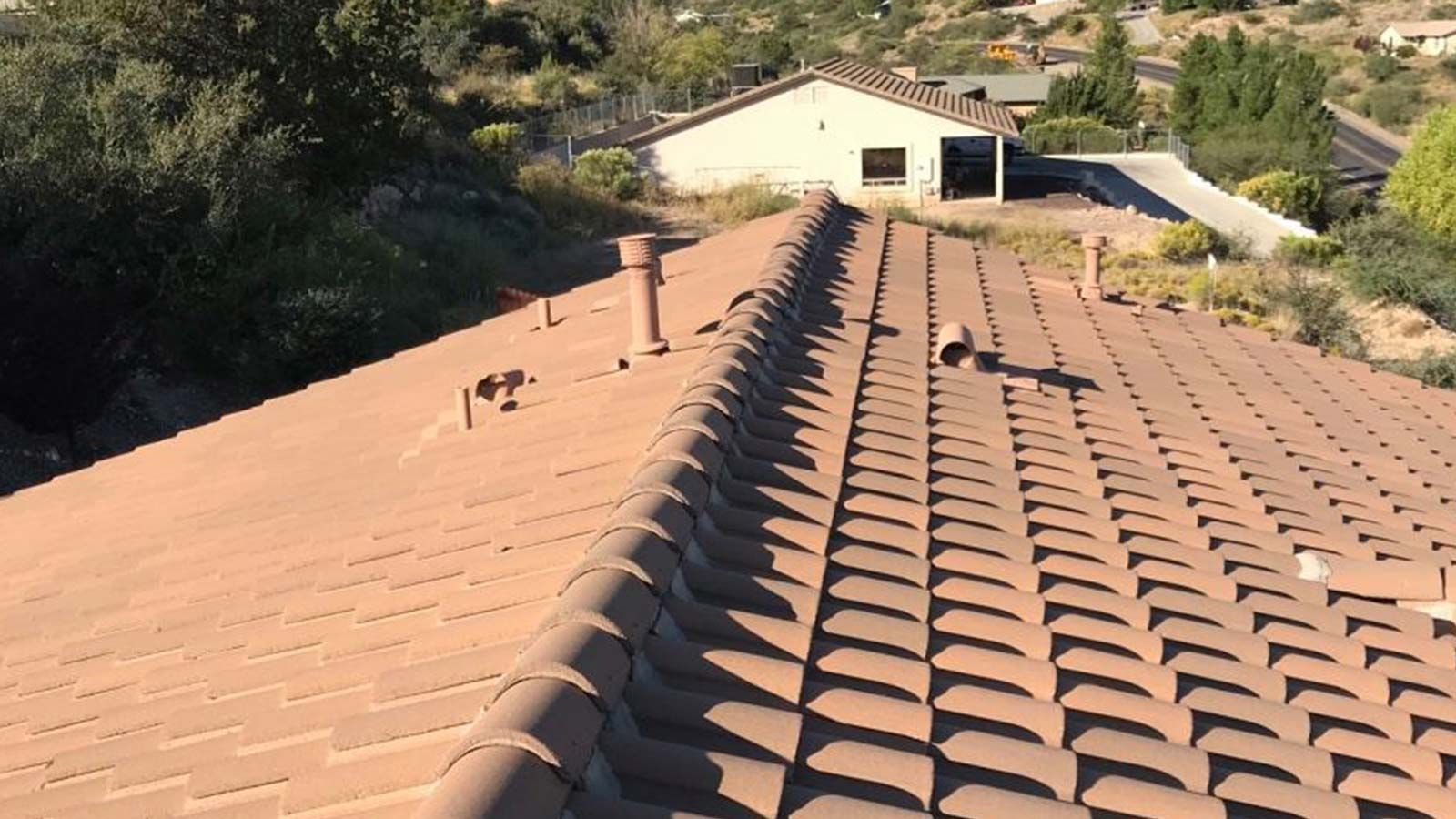
From the curb, metal shingles can look a lot like asphalt shingles. Some styles also mimic slate or tile. That’s why homeowners who want a metal roof, but don’t want the long “panel” look, end up here.
You’ll usually pay more upfront than you would for an asphalt roof. The tradeoff is durability and longevity, especially when the roof is installed with the right underlayment and details. In a climate like northern Arizona, that matters, because extreme weather is not just one thing. It’s sun, wind, and hail showing up in the same year.
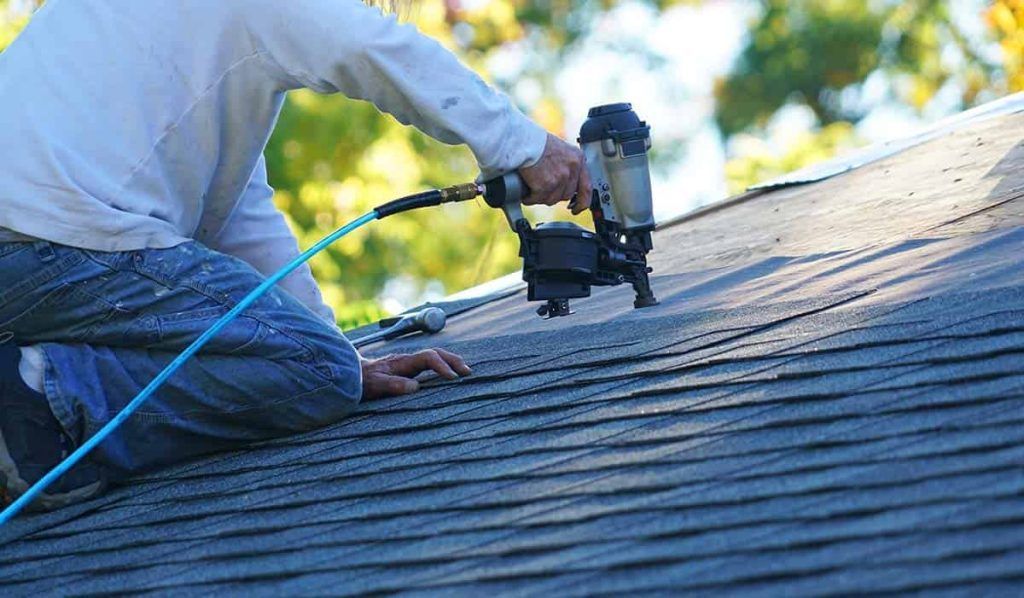
Metal shingles and the modern metal roof
Metal shingles are one of the main metal roofing options in residential roofing. You’ll also hear them called modular panels or stamped metal roofing, depending on the brand and the system.
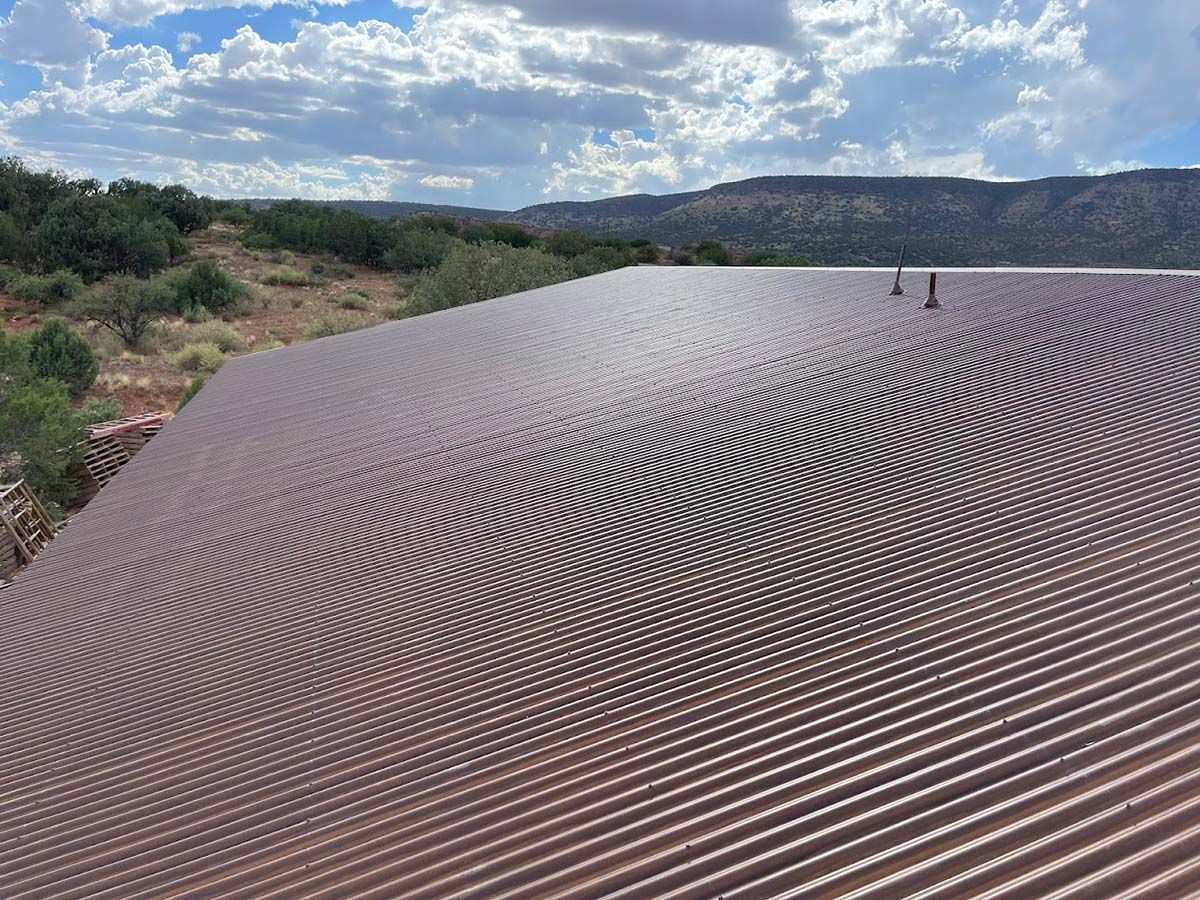
They install differently than standing seam metal panels. Standing seam typically runs in long lengths from eave to ridge. Metal shingles are smaller pieces installed in rows, more like traditional shingles.
Most systems are built to give you a familiar look with the benefits people want from modern roofing. You get that “shingle” texture, plus a roof covering that’s designed to be low maintenance when it’s put on correctly. And if noise is in the back of your mind, it helps to know this. A properly installed metal roof can be as quiet as an asphalt roof. The underlayment, attic space, and insulation do most of the heavy lifting there.
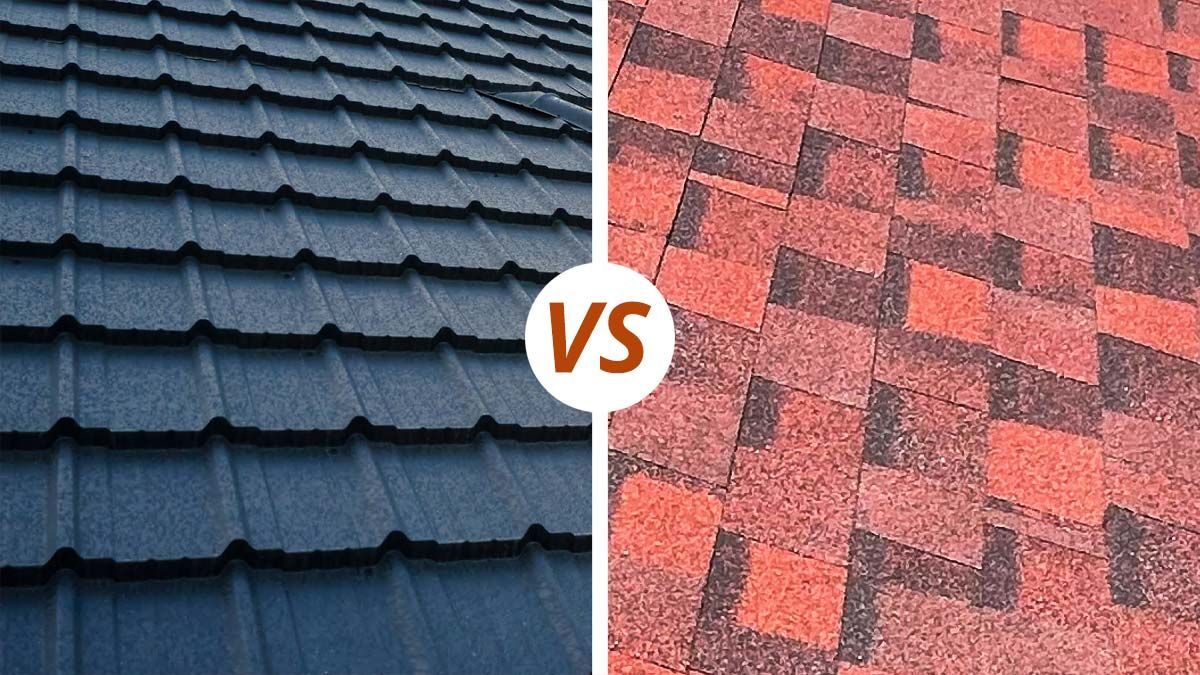
Metal shingles and asphalt shingles
Asphalt shingles are still the default roofing material on a lot of homes. They’re familiar, they’re common, and they’re usually the lower upfront cost when you’re staring down a roof replacement.
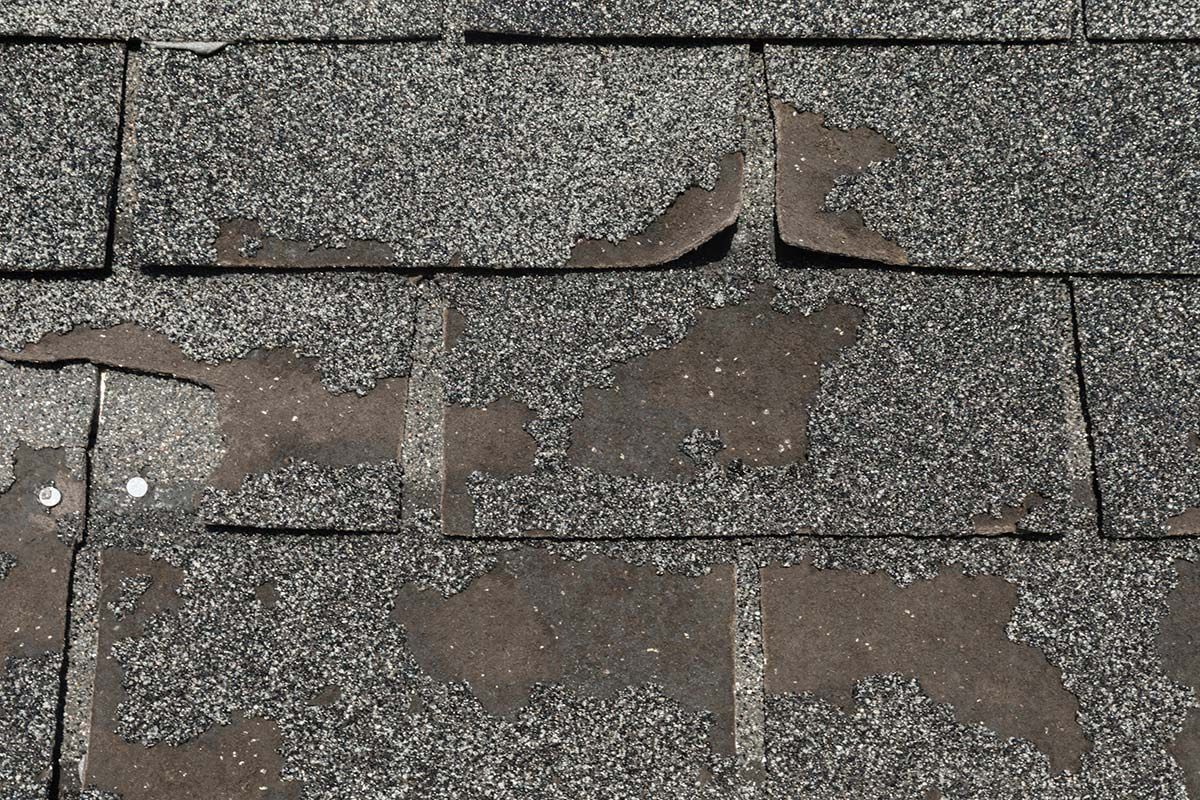
Construction-wise, asphalt shingles are built around a fiberglass mat that’s coated in asphalt and then surfaced with mineral granules. That’s the “system” in a nutshell. It works well, but asphalt shingles typically wear out sooner than metal options, especially when the roof sees a lot of heat, UV, or hail over the years.
Metal shingles are a different roofing choice. The look can be similar to a traditional asphalt shingle roof, but the performance profile is closer to a metal roof. Many designs interlock and are firmly attached to the roof, which helps when high winds show up. They also tend to be low maintenance once the roof is detailed correctly.
The tradeoff is the cost of metal and the install. The upfront cost is higher. Where metal shingles can feel cost-effective is over time, because roofs can last longer and you may not be budgeting for another replacement as soon.
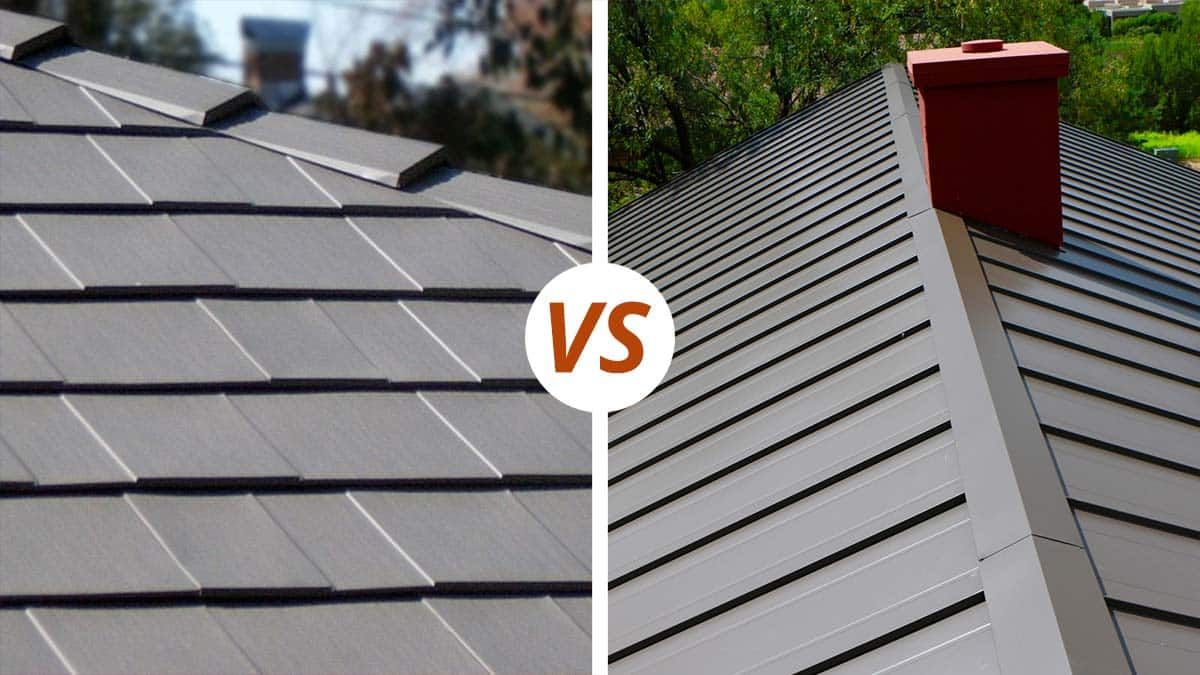
Metal shingles vs standing seam metal panels
Standing seam is a different look and a different roofing system. Instead of smaller pieces, you’re dealing with long roofing panels that run up the roof. Most standing seam systems use concealed clips or concealed fastening so the attachment points aren’t exposed on the surface. That design helps the roof manage thermal movement and resist wind uplift when it’s engineered and installed correctly.
https://www.youtube.com/watch?v=yDF60rgfzOU
Metal shingles are smaller and more “shingle-like” in their appearance. If curb appeal matters and you want something that feels closer to traditional materials, metal shingles can be the more natural fit. They also work well on roofs that have more shape, more edges, or more design breaks where a modular system can be easier to lay out cleanly.
Standing seam usually wins on that clean, modern aesthetic. Metal shingles usually win when a homeowner wants durability and style without the long-panel look. Both are high-quality metal options. Choosing the right one usually comes down to the roof’s design, your budget, and what you want the house to look like from the street.
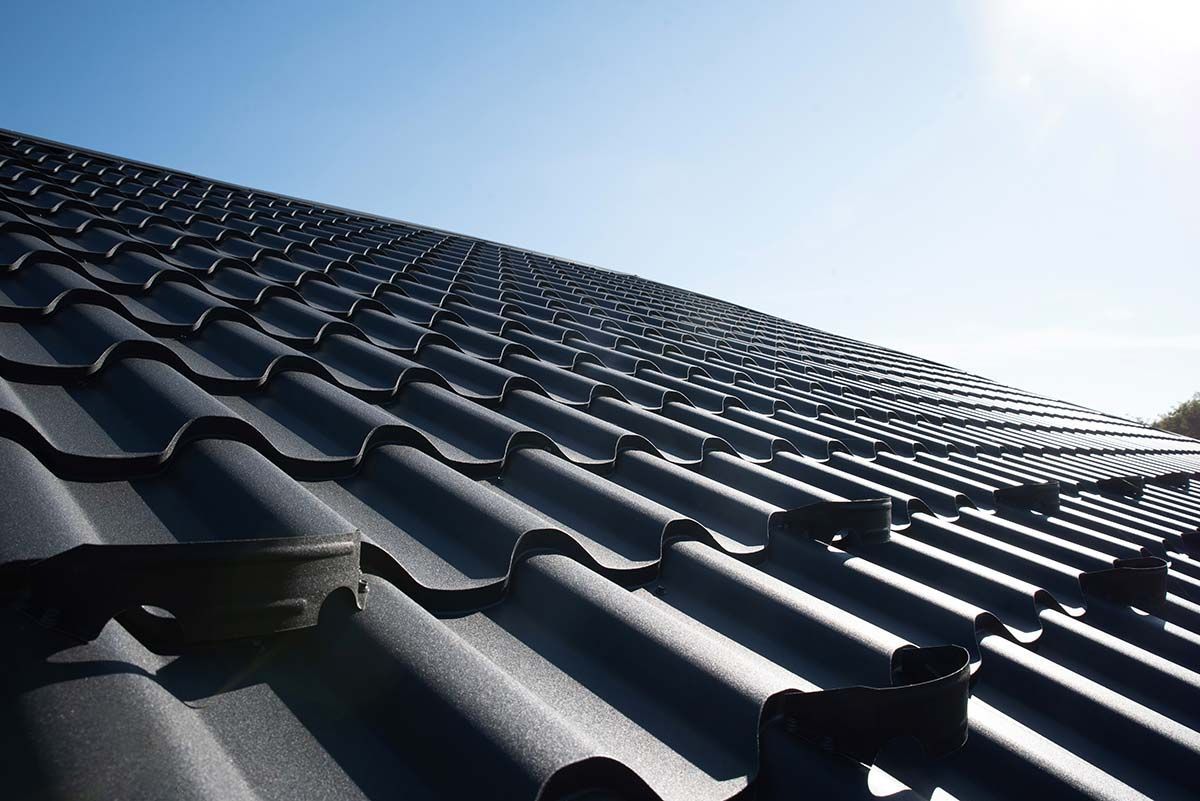
Pros and cons of metal shingles
Metal shingles are gaining popularity because they hit a nice middle ground. You get the texture of a shingle roof, plus the performance you expect from a metal roof. Many profiles are shaped to match traditional materials like slate tiles, tile, or an asphalt look, so you can upgrade without changing the whole personality of the house.
On the “pro” side, metal shingles are built to last. They hold up well in severe weather, and a properly installed system can offer superior protection in wind and hail compared to a lot of common roofing. They’re also a low maintenance roofing option. In many cases, they require less maintenance over the years than traditional asphalt shingles. Energy efficiency is another real advantage of metal. Reflective metal roofing products can help reduce cooling costs, which matters in a place like Arizona. And when the roof eventually does need to be replaced, the material is typically recyclable at the end.
The main drawback is the upfront cost. Metal shingles usually aren’t the budget-friendly choice on day one. Installation also matters more than most people realize, because these roofing systems depend on correct fastening and clean details. If you want the long-term value, you want the install done right.
Are metal shingles loud?
Not in the way most people imagine.
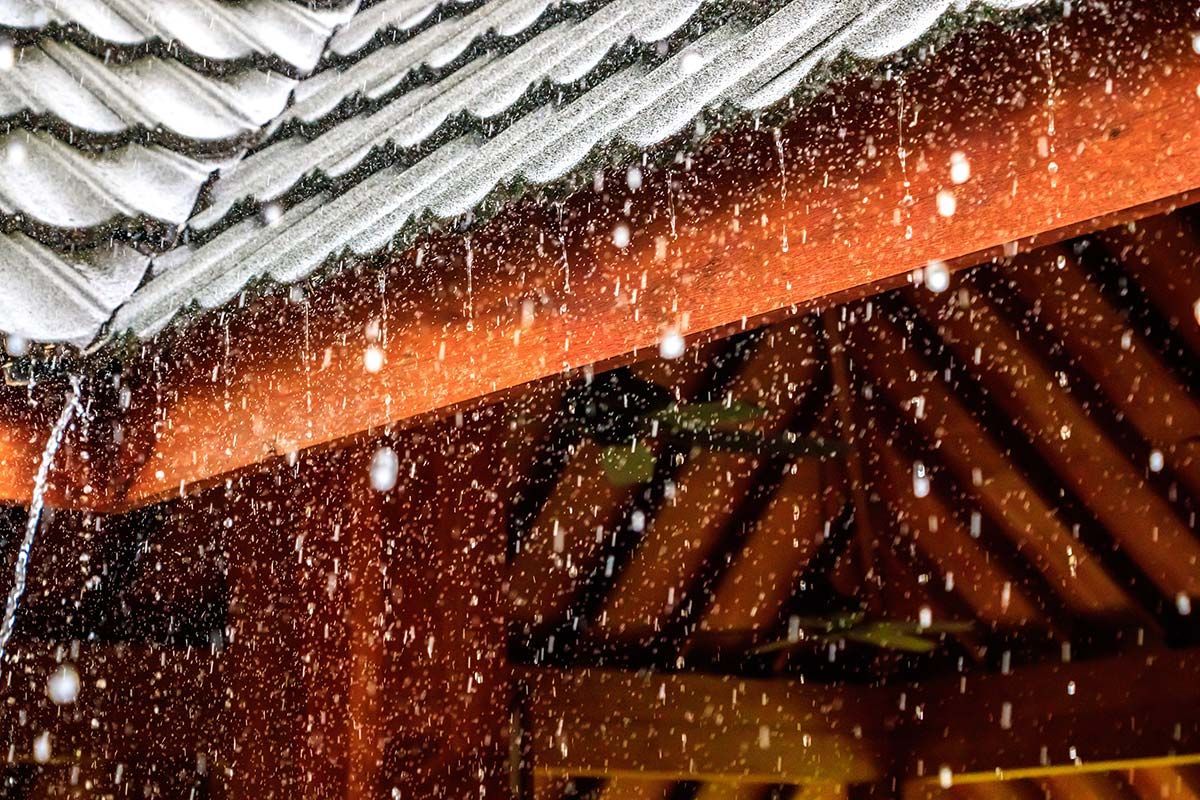
That “tin roof in a rainstorm” sound comes from open buildings with exposed framing, like a shed or a barn. A residential roof is different. You’ve got solid decking, underlayment, attic space, and insulation. Those layers absorb sound. That’s why a metal roof on a home usually doesn’t feel louder than an asphalt roof once it’s installed correctly. Will you hear rain or hail at times? Sure. You’re hearing weather hit your house. Most homeowners describe it as a sharper sound, not an overwhelming one. If the roof is detailed well, the sound is there, then it’s gone.
If you want the longer breakdown (including what makes some roofs noisier than others), you can read our full answer here: Are metal roofs noisy when it rains or hails?
Metal shingle roof in northern Arizona weather
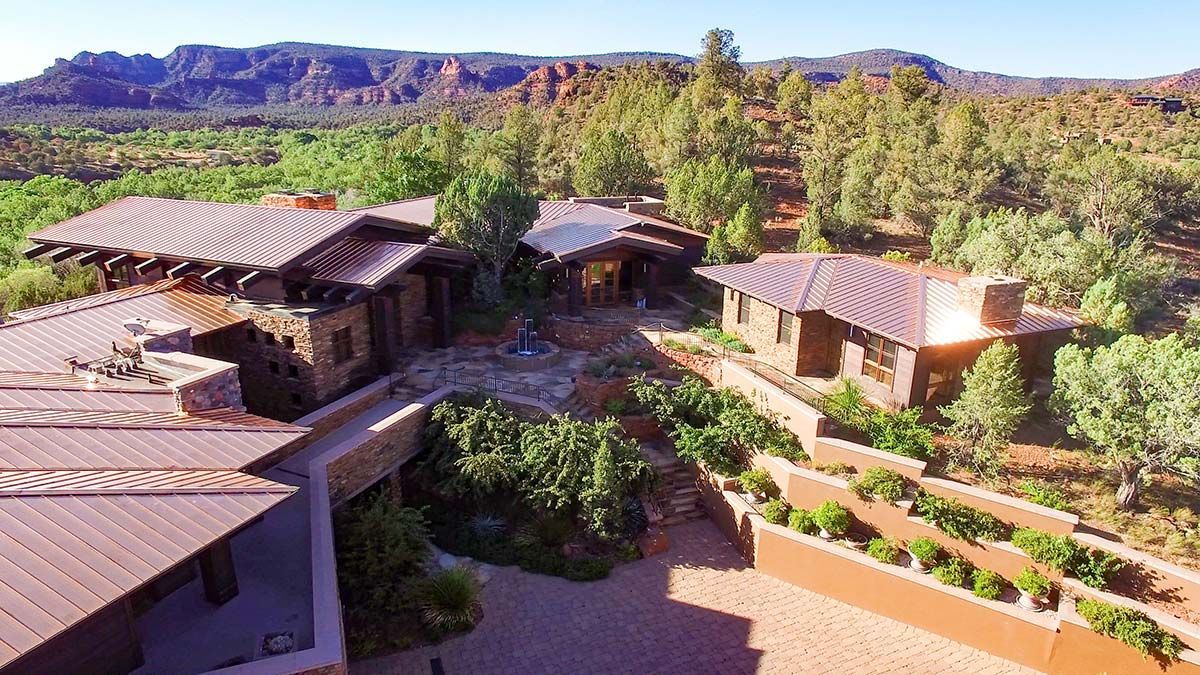
Northern Arizona puts a roof through a little of everything. Hot sun. Big temperature swings. Wind that shows up fast. Hail that can find the weak spot you didn’t know you had.
That’s where metal shingles can make sense as an option for homeowners. The shingles are attached to the roof in rows, and many profiles interlock. That helps the roof stay put when high winds hit. It also helps keep the surface tight when the weather changes from dry heat to heavy rain.
Compared to asphalt shingles, metal shingles offer a tougher surface against a lot of the day-to-day wear that comes with extreme weather conditions. That doesn’t mean “hail-proof.” It means fewer surprises when you’ve got a long storm season and a lot of roofs around you are taking a beating.
The detail work still matters. Flashing, edges, and valleys decide whether the roof sheds water cleanly. If you’re in the middle of a roof replacement, this is the part worth obsessing over.
Cost and lifespan of a durable metal shingle roof
Metal shingles are usually a higher upfront cost than a traditional asphalt shingle roof. That’s the part most people notice first. The cost depends on budget, on the profile you pick, and on the type of metal. Steel and aluminum are common. Stone-coated systems exist too. Different metal materials land at different price points.
Where metal shingles can feel cost-effective is in the long game. They’re built to last. They’re also often minimal maintenance compared to asphalt, because you’re not dealing with the same “wear out and replace” timeline as often. That’s the long-term value conversation.
Energy efficiency can be part of it as well. Reflective roof surfaces can absorb less solar heat, which can help with cooling costs in hot months. If you like the shingle look but want new metal performance, it’s a compelling choice. It can also be easier to justify when you’re thinking in decades, not seasons.
If you’re weighing metal shingles against other metal options, start here: Explore Hahn Roofing’s metal roofing options.
If you want pricing and real-world recommendations for your roof, contact Hahn Roofing
and we’ll talk through the best fit.