New Year, New Roof: A Sedona Homeowner’s Roof Checkup Guide
It's the Perfect Time for a Roof Checkup
January always feels quieter in Sedona. The holiday traffic thins out. The lights come down. You notice the small things again. That weird draft in the hallway. The spot on the ceiling you’ve been ignoring because it didn’t get bigger… yet. Maybe it's time for a roof checkup.
For homeowners, this is actually a decent moment to think about the roof—not in a panic way, and not because something is leaking right now. Just as a check-in. Roof issues almost never announce themselves. They sneak in sideways. A tile shifts during a windy afternoon. Flashing dries out after another long summer. Water finds a path it didn’t have last year.
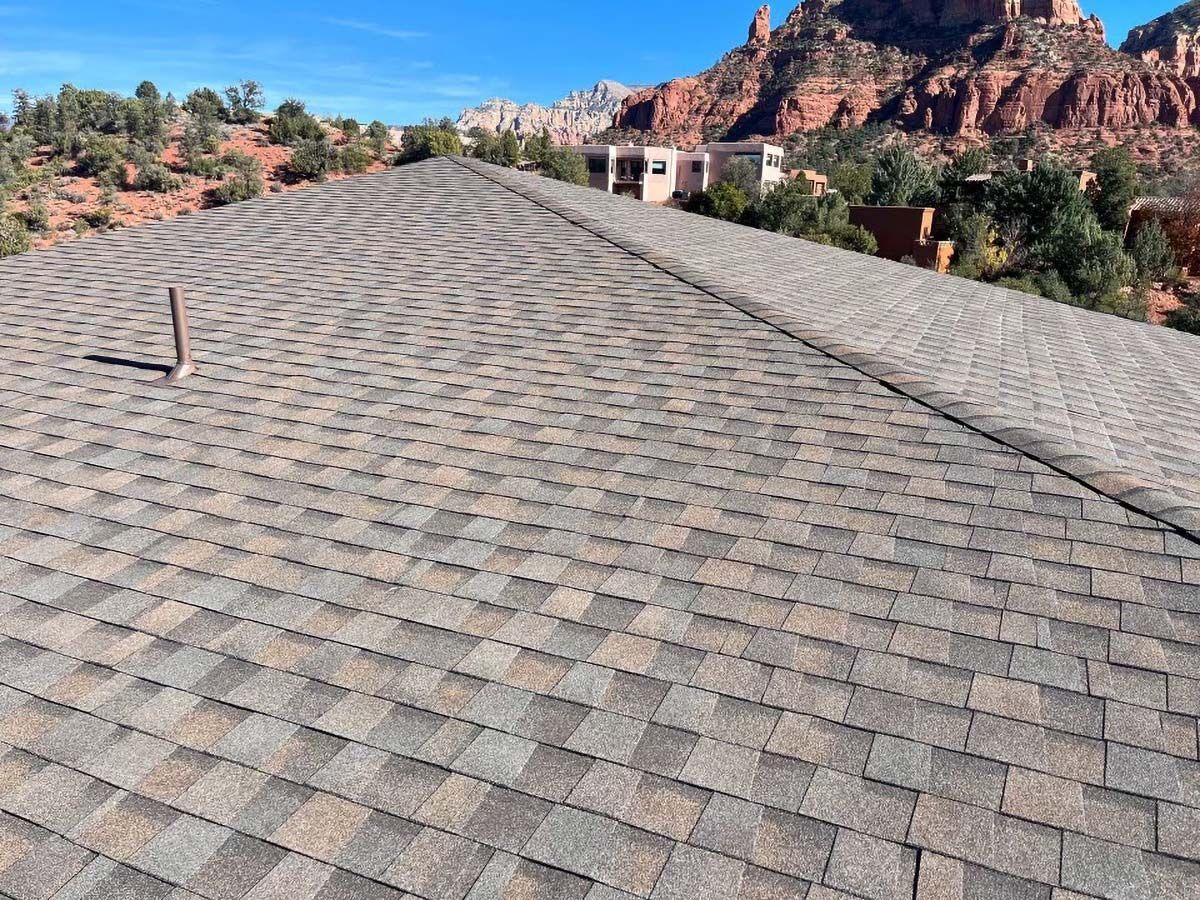
The point of a New Year roof check isn’t to “find a problem.” It’s to make sure nothing has been quietly getting worse while life was busy.
If you’re not sure where to start, this is the same basic walk-through we suggest to a lot of Sedona homeowners.
Start From the Ground
You don’t need a ladder to learn much about your roof. A lot of people notice the first signs just by walking the property and looking up, usually when something feels a little different than it did last year.
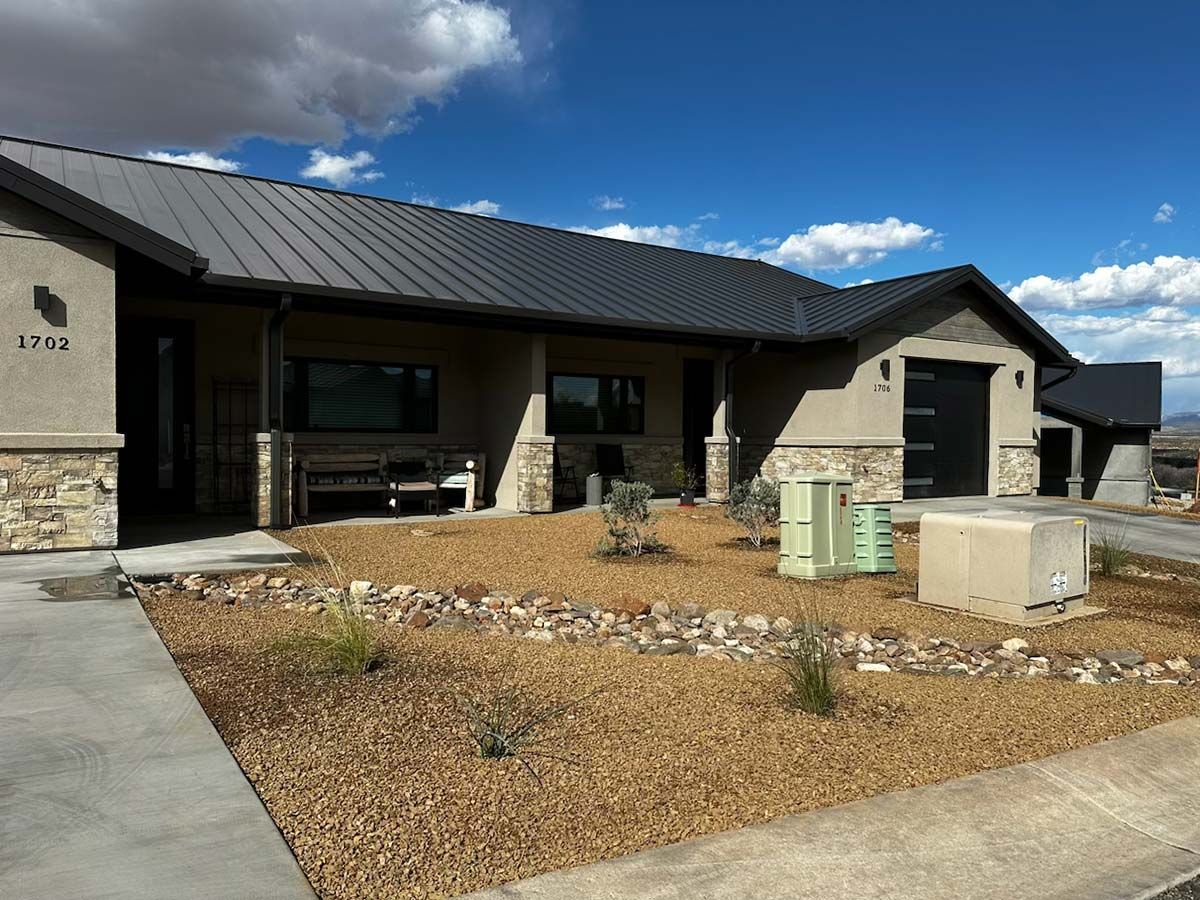
Take a lap if you’ve got a minute. Not in a checklist way. Just notice the roofline from a few angles. Sometimes it looks fine until you stop and actually look at it. In Sedona, especially with older homes or places that have been added onto over time, small shifts aren’t unusual. Most people miss them. There’s no reason to feel bad about that.
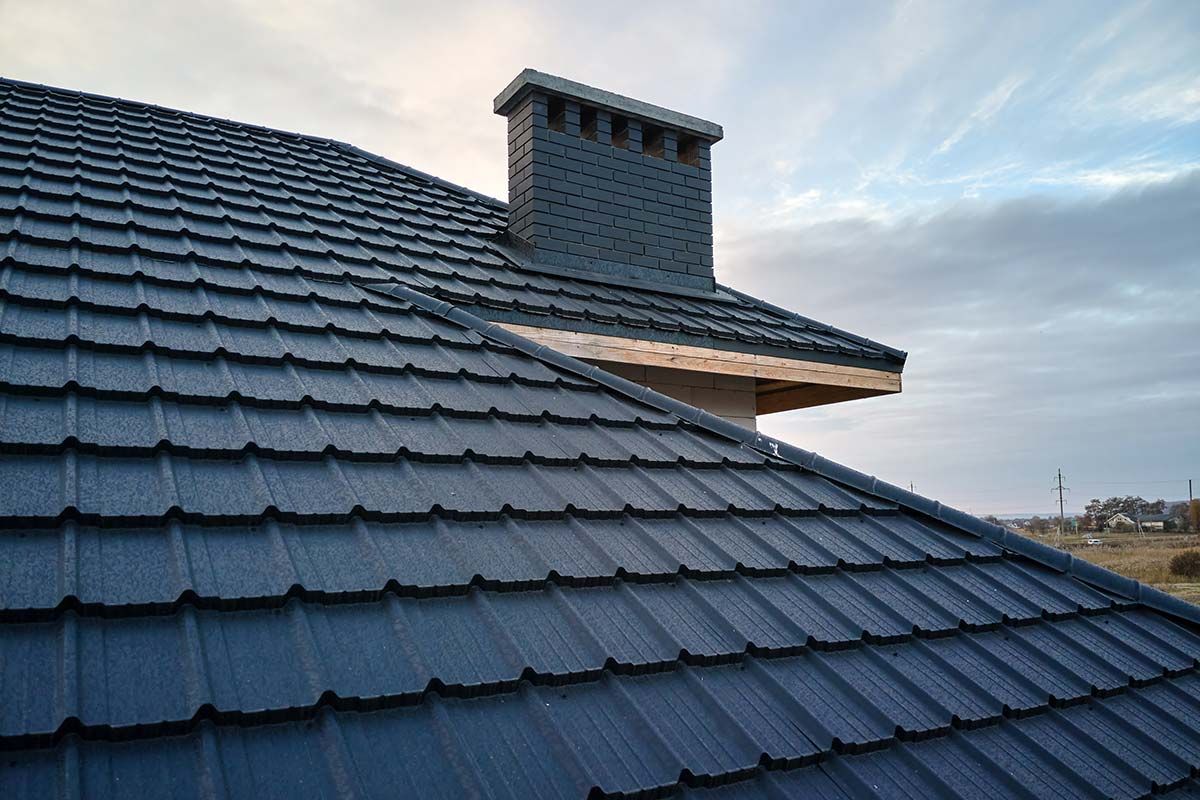
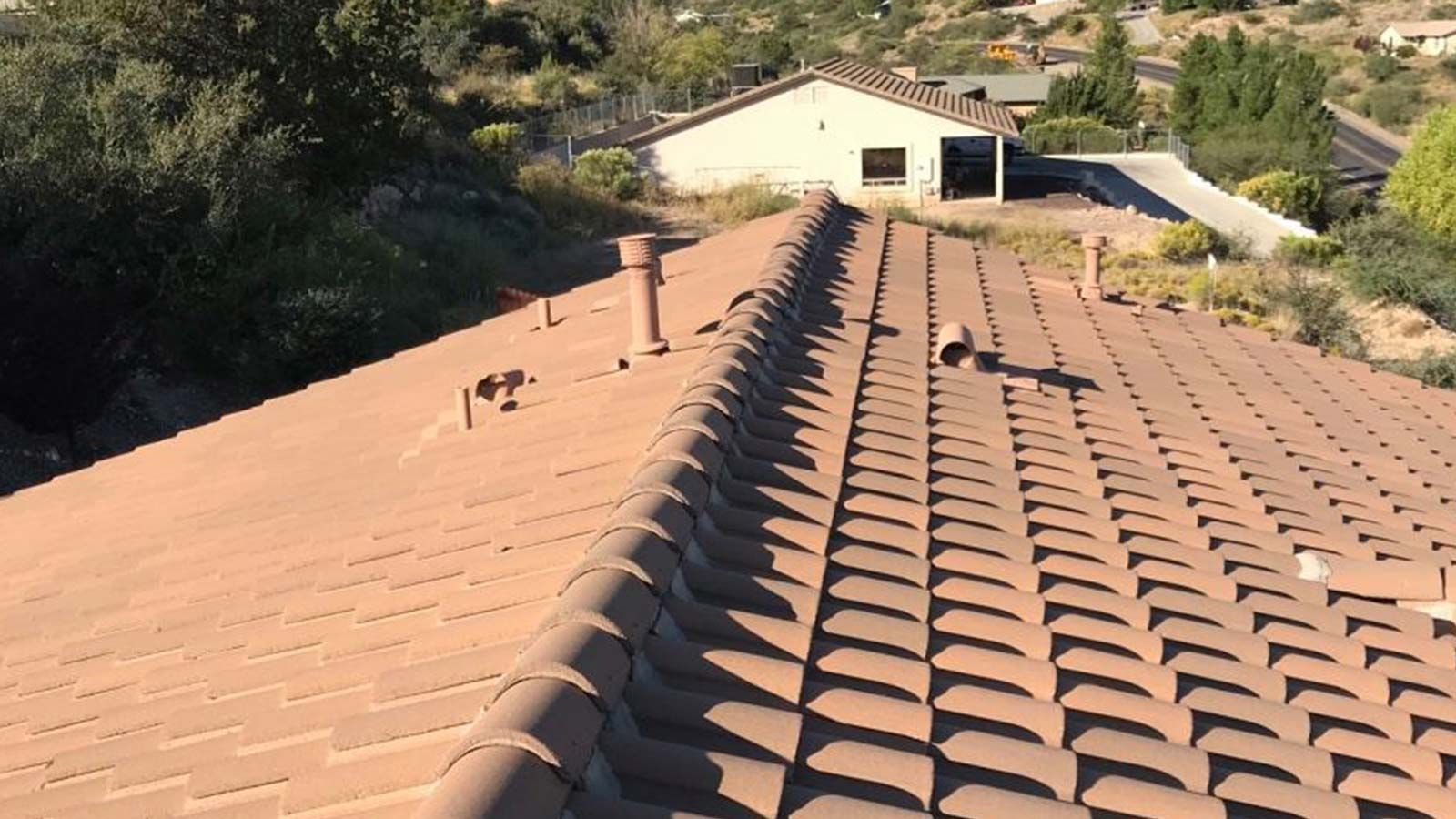
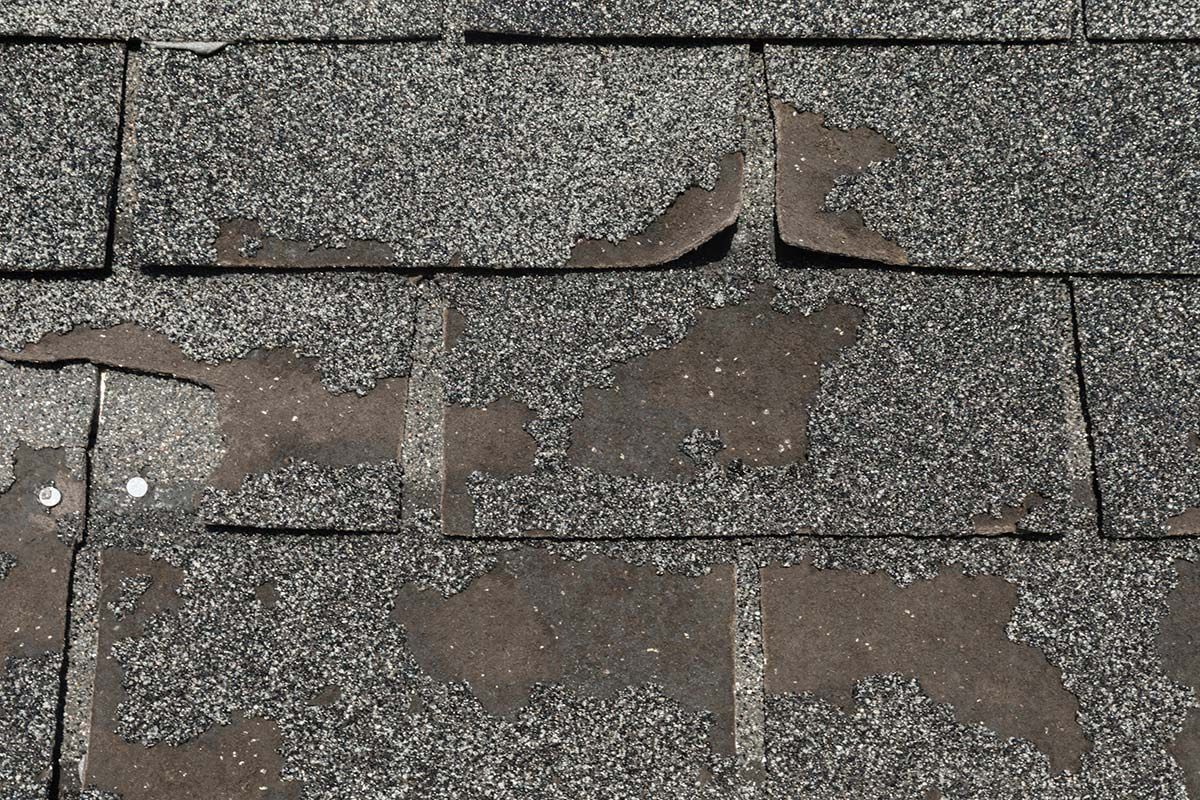
Tiles and shingles usually show wear in small, unremarkable ways. You might notice a cracked tile. Or one that doesn’t sit quite right anymore. Sometimes it’s a shingle edge starting to curl just enough to catch your eye, especially if you’ve lived with the roof for a while. On their own, those things don’t always mean much. They’re just often how bigger issues start to show up.
Roof valleys and the spots where sections meet deserve a second look too. They collect whatever the wind drops there. And once debris starts holding moisture, it tends to stick around longer than you’d expect.
Don’t Skip Gutters and Drainage
Sedona isn’t a place where it rains every week, so gutters get treated like background noise. We get it. They’re easy to ignore when the weather’s calm.
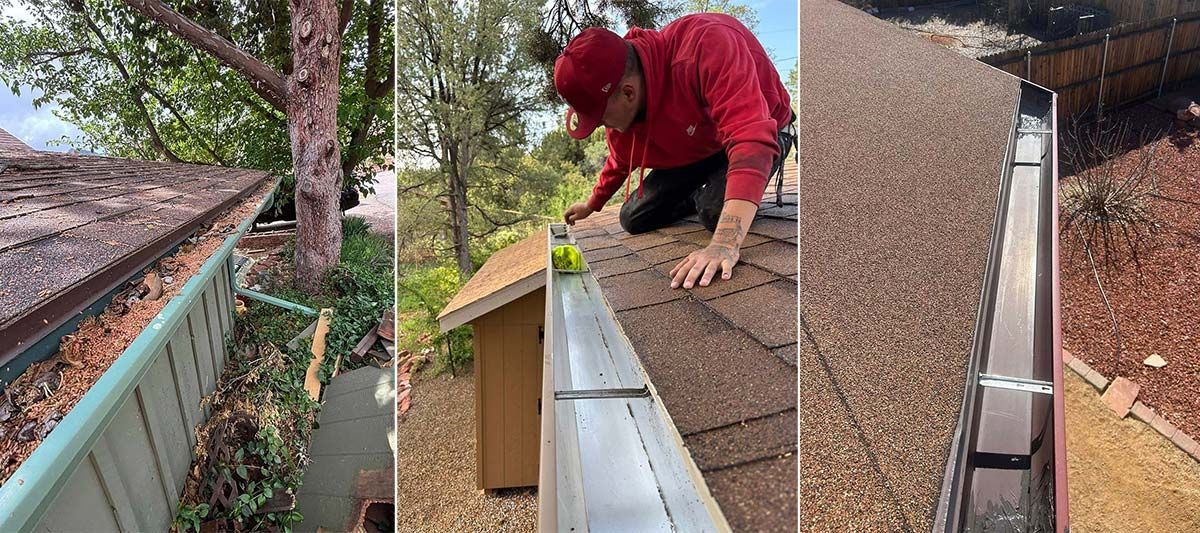
The problem is what happens when you don’t look at them for a long stretch. We’ve seen gutters pull away from fascia, seams leak, water dump right next to foundations, and stain exterior walls. A lot of that starts with basic buildup that nobody noticed—needles, grit, shingle granules, even that fine red dirt that finds its way into everything here.
This is a big part of why Hahn has a sister company, On The Edge Gutters. Gutters don’t just “happen” to a house. They take abuse. They sag. They clog. They get knocked out of pitch. And when they stop working, the roof edge and the walls usually pay for it.
If you’re doing a quick New Year walkaround, look for sagging runs, seams that look dark or crusty, drip marks under the gutter line, or downspouts that are dumping water too close to the house. You don’t need to diagnose it. You just want to catch the easy stuff before the next real storm shows up.
Step Inside and Look Up
Some roof issues show up indoors first, even when everything looks fine from the outside.
Ceiling stains are the obvious ones, but they’re not the only things people notice. Slight discoloration. Paint that flakes near ceiling corners. Drywall that feels a little softer than it should. None of that guarantees there’s an active leak. It usually means moisture showed up at some point and didn’t fully go away.
If you can get into the attic safely, it’s worth a quick glance. Most people aren’t going to crawl around up there, and they shouldn’t. Just stand at the opening and pay attention. Musty smell, darker wood, a patch of insulation that looks packed down—those are the kinds of things we ask people to mention when they call.
Ventilation plays a bigger role in Sedona homes than many people expect. Heat builds up below the roof. The sun does the same from above. Over time, that combination takes a toll.
Pay Attention to Roof Penetrations
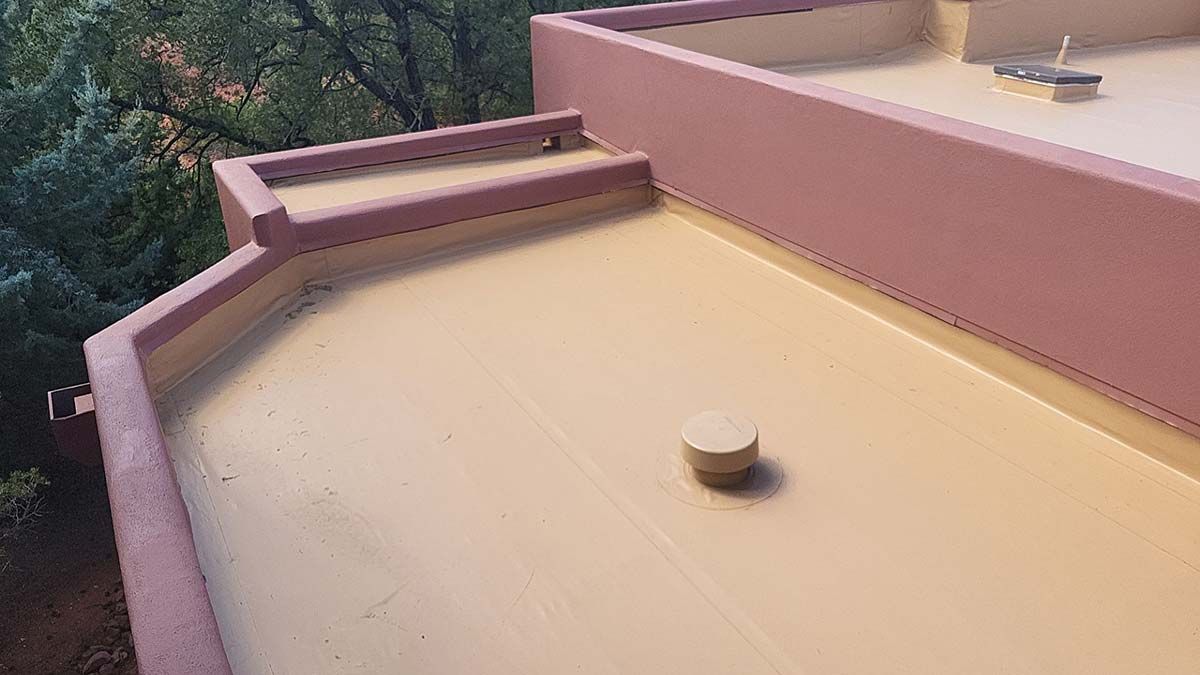
Any spot where the roof gets cut open for something—vents, skylights, chimneys—deserves a closer look now and then. Those areas just take more abuse than people expect.
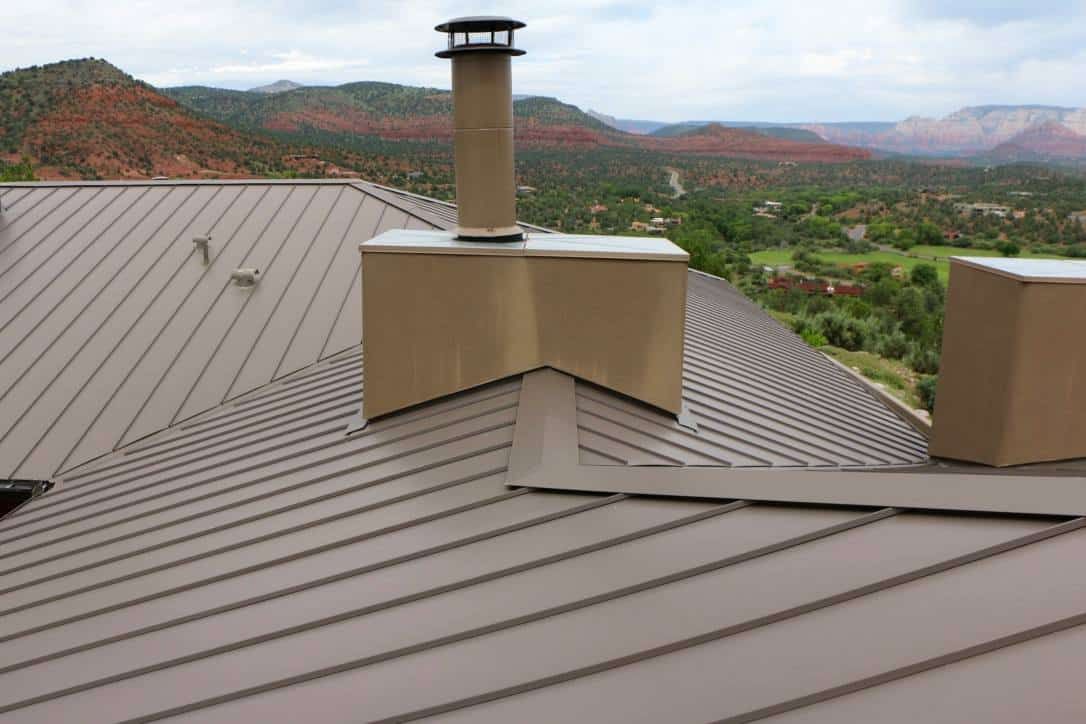
Flashing is usually the weak point. It moves around with heat and cold. Sealant dries out. Things loosen a little at a time. You won’t always see it from the yard, which is why small interior clues matter.
If you notice a faint mark near a skylight, or a spot on the ceiling that keeps coming back, don’t ignore it. Same goes for rust you can see from below, or flashing that looks like it’s sitting proud instead of laying flat.
And if you’ve had repairs done around one of these areas before, it’s worth checking again. Not because the repair was bad. It’s just a high-stress part of the roof.
Think Back Over the Past Year
Not every roof issue leaves a visible trail.
Higher energy bills during the summer can sometimes point to ventilation or insulation problems. New sounds during storms—rattling, tapping, or dripping—are worth noting too, even if they don’t happen every time it rains.
Sedona’s mix of elevation, sun exposure, and seasonal storms puts steady pressure on roofing systems. Even well-built roofs tend to need more attention as they get older.
What a DIY Check Can—and Can’t—Tell You
A homeowner checkup is a good starting point. It helps you stay familiar with your house and notice changes before they turn into surprises.
What it won’t show you is everything happening beneath the surface. Underlayment wear, slow moisture intrusion, and small flashing failures often stay hidden until damage is already underway.
That’s where a professional roof inspection comes in.
At Hahn Roofing, inspections aren’t about pushing replacements. They’re about giving you clear information. What’s in good shape. What should be watched. What might need attention sooner rather than later.
For some Sedona homeowners, an annual inspection brings peace of mind. For others, it catches a small issue before it turns into a much bigger repair during monsoon season.
A Simple New Year Habit That Makes Sense
If there’s one habit worth building, it’s this: do a quick walkaround early in the year, then decide whether it makes sense to have a professional take a closer look.
You don’t need to overthink it. If something caught your eye. If your roof is getting up there in age. Or if you’d simply rather know where things stand, those are all reasonable reasons to schedule an inspection.
Starting the year with clarity about your roof means fewer surprises later. And in Sedona, that’s usually time and money well spent.
If you want help understanding where your roof stands heading into the new year, our team is always happy to take a look and talk through what you’re seeing.