
Metal Roof Performance in Extreme Weather: Heat, Hail, and High Winds
September 25, 2025
Why Extreme Weather Matters for Roofing in Arizona
Arizona’s climate is one of the most challenging for roofing materials. With
scorching heat, monsoon storms, and occasional hail
, homeowners in
need a roofing system that can handle it all.
Metal roofing
has proven to be one of the
most durable
and
weather-resistant
options available. Unlike asphalt shingles, which can deteriorate quickly in intense UV exposure, metal roofs are designed to last for decades—even in Arizona’s toughest conditions.
This guide explores how
metal roofs perform in extreme weather
, comparing them to other roofing materials and breaking down their resistance to
heat, wind, and hail
Heat Resistance: Beating the Arizona Sun
Arizona homeowners face some of the highest temperatures in the country. Asphalt shingles often
absorb heat
, reaching surface temperatures of
170°F or higher
, which increases
cooling costs
and accelerates roof degradation.
How Metal Roofing Handles Heat:
- Reflects Solar Radiation – Metal roofs reflect up to 70% of sunlight , reducing heat absorption.
- Cool Roof Coatings – Lighter colors and specialized coatings further improve heat reflectivity.
- Quick Heat Dissipation – Unlike shingles, which trap heat , metal quickly releases absorbed heat.
Energy Savings with Metal Roofs
Studies show that metal roofing can
reduce cooling costs by 15-25%
, making it an ideal choice for
Sedona, Prescott Valley, and other high-temperature areas
.
For more on energy efficiency, read: Energy Efficiency of Metal Roofing
Wind Resistance: Surviving Arizona’s Monsoon Season
Monsoon season in Arizona brings
intense wind storms
, with gusts reaching
50-100 mph
in some areas.
Metal Roof vs. Asphalt Shingles in High Winds
| Feature | Metal Roof | Asphalt Shingles |
| Wind Resistance | Withstands up to 140-160 mph | Typically rated for 110-130 mph |
| Attachment | Interlocking panels, secure fasteners | Individual shingles prone to uplift |
| Durability | Minimal damage in high winds | Shingles can tear or detach |
Why Metal Roofing Excels in Windstorms
- Interlocking Panels – Unlike shingles that can lift, metal panels are tightly secured.
- Fewer Gaps for Uplift – Wind cannot easily get underneath properly installed metal panels.
- Seamless Fastening – Standing seam metal roofs eliminate exposed screws that can weaken over time.
In areas like
Prescott Valley and Cottonwood
, where monsoons can bring strong gusts,
metal roofing provides superior wind resistance
compared to asphalt shingles.
For more on roofing durability, read: The Most Durable Roofing Materials for Arizona
Hail Resistance: Can Metal Roofs Handle Impact?
Hailstorms are rare but not unheard of in Northern Arizona. When hail does strike, it can cause
cracks and granule loss in asphalt shingles
, leading to leaks and costly repairs.
How Metal Roofs Handle Hail:
- Class 4 Impact Rating – Metal roofing is rated for hailstones up to 2 inches in diameter .
- Minimal Structural Damage – While hail can leave cosmetic dents , it rarely affects performance.
- No Granule Loss – Unlike shingles, metal roofs do not lose protective granules.
While asphalt shingles may require
full replacement after a severe hailstorm
, metal roofing remains intact, making it a better long-term investment for Arizona homeowners.
Fire Resistance: A Crucial Advantage in Arizona
Wildfires and lightning strikes pose a serious threat in Arizona, particularly in areas like
Prescott National Forest and Sedona’s wooded outskirts
.
Why Metal Roofs Are the Best for Fire Protection:
- Non-Combustible Material – Metal roofing will not ignite , unlike wood shakes or asphalt shingles.
- Class A Fire Rating – The highest fire resistance rating for roofing materials.
- Lightning Safe – Contrary to myths, metal roofing does not attract lightning , and if struck, it safely disperses electrical energy.
For homeowners in
fire-prone areas
, metal roofing provides unmatched protection.
Lifespan and Maintenance: How Metal Roofs Outlast Other Materials
Extreme weather conditions shorten the lifespan of traditional roofing materials, leading to frequent repairs or full replacements.
| Roofing Material | Average Lifespan in Arizona | Weather Resilience |
| Metal Roofing | 40-70 years | Excellent |
| Asphalt Shingles | 15-30 years | Moderate (prone to heat and wind damage) |
| Clay Tile | 50-100 years | Good (heavy, may crack in hail) |
Minimal Maintenance Needs
- Metal Roofing – Requires periodic inspections, but no regular sealing or replacement .
- Asphalt Shingles – Needs frequent maintenance, including granule replacement and resealing .
For more on roofing longevity, read: How Much Does a Metal Roof Cost?
Is a Metal Roof the Best Choice for Arizona Homes?
Given Arizona’s
extreme weather conditions
, metal roofing offers
clear advantages
in heat resistance, wind durability, hail protection, and fire safety.
Who Should Consider Metal Roofing?
- Homeowners in high-heat areas – Metal roofs reduce cooling costs in cities like Prescott and Sedona .
- Residents in monsoon-prone regions – Strong wind resistance makes it ideal for Prescott Valley and Camp Verde .
- Homes in wildfire zones – Fire resistance is critical in Northern Arizona’s wooded areas .
While the
upfront cost of metal roofing is higher
, the
long-term savings and durability make it the superior choice
for Arizona homeowners.
Next Steps: Protect Your Home with Metal Roofing
Choosing the right roof means considering durability, energy efficiency, and
weather resistance
. If you live in
Arizona and want a roofing system built to last
, a metal roof is the best option.
For more in-depth information, explore:
For additional research, check out:
- Metal Roofing Alliance – Metal Roof Durability
- National Weather Service – Arizona Wind and Storm Data
- Energy.gov – Cool Roof Benefits
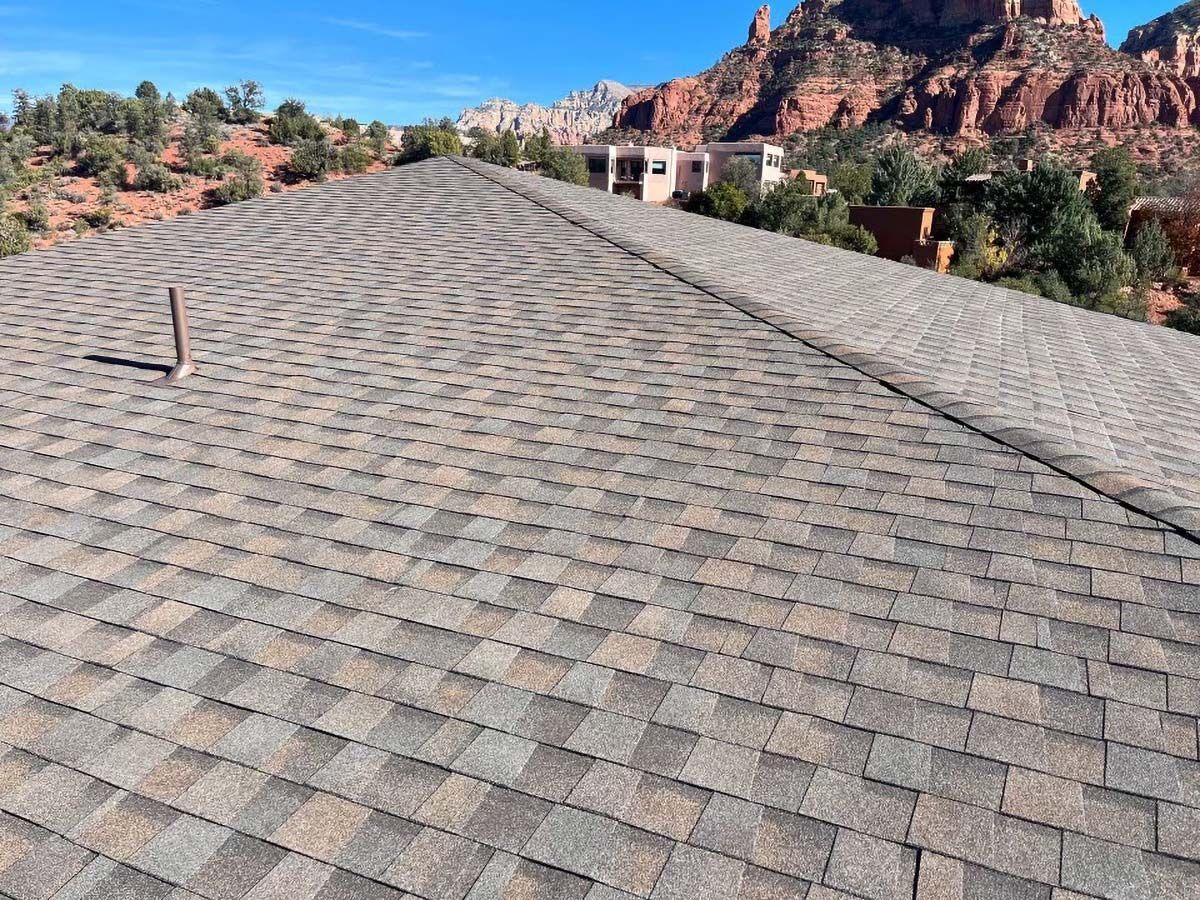
Sedona New Year roof checkup: quick signs to spot, what to notice inside, and when to book a professional roof inspection.
Holiday weather has a way of showing up at the worst time. People are traveling. Family is in town. The house is busy. And if your roof has a weak spot, that’s when you notice it. Most winter roof lea…
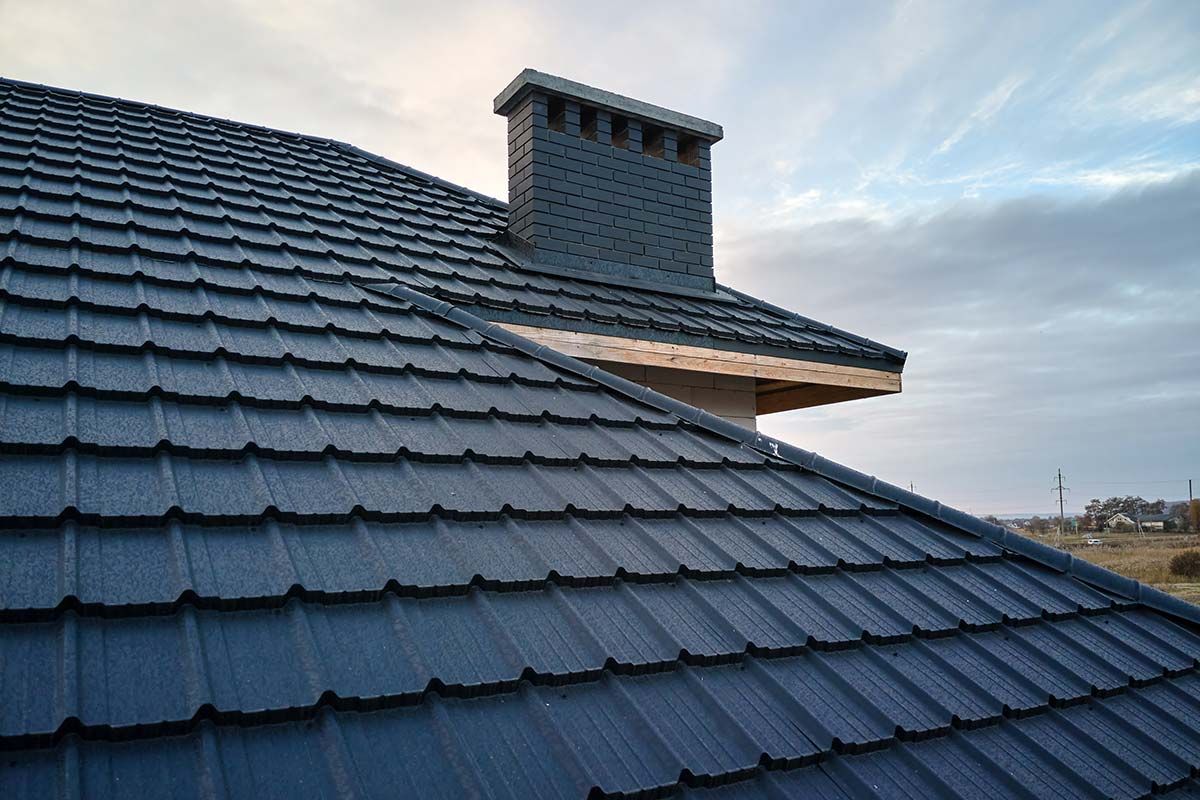
A metal shingle roof is a metal roof that goes on in small pieces, not long panels. The shingles overlap as they’re installed, and many systems are made to lock together so the surface stays tight in …
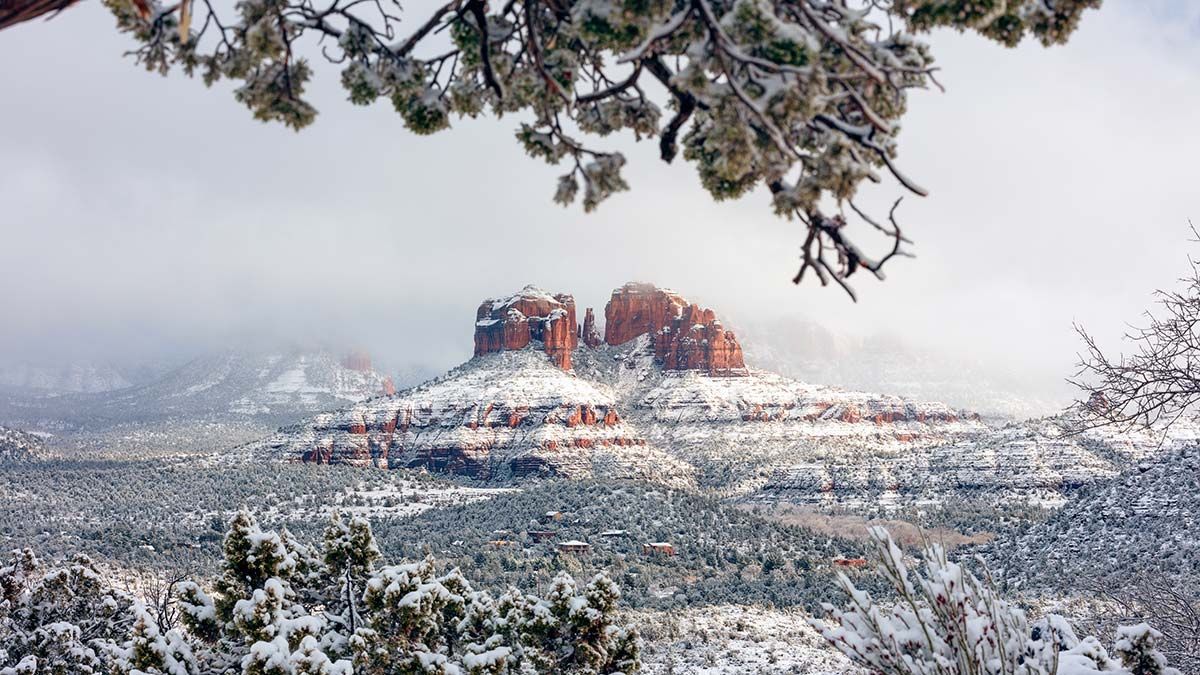
Winter in the Verde Valley isn’t “snow country,” but it’s also not Phoenix. We get cold nights, the occasional dusting, and quick weather swings. Sedona sits up around 4,500–4,800 feet, so freeze-thaw…
Flat roofs do well in Arizona, but winter is when small drainage issues turn into real headaches. It is rarely one big event. It is usually a slow backup at a scupper. A drain that runs fine until lea…
Winter roof preparation: roof maintenance, gutter repair, shingle check and leak prevention for Arizona homes ready for the winter months.
Fall roof maintenance tips for Cottonwood, Arizona homeowners—inspect, clean, and prepare your roof before winter rain and cold set in.
Get your roof ready for autumn in Cottonwood with these expert fall roofing tips. Learn about inspections, debris clearing, attic ventilation, and more!
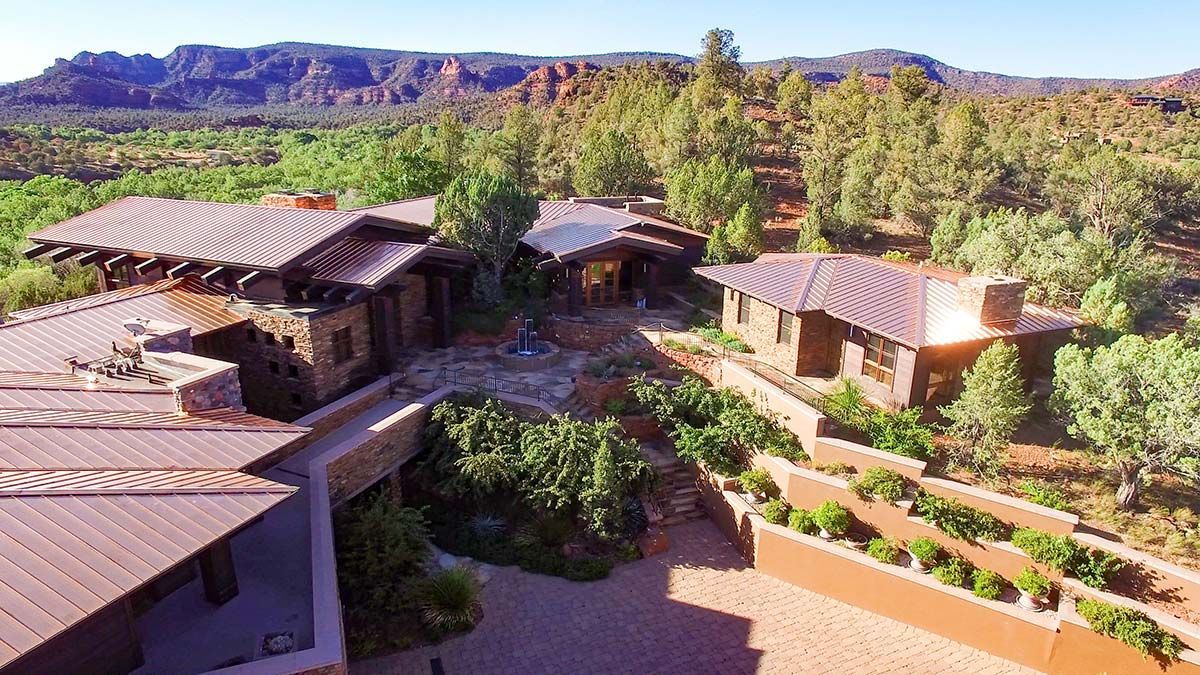
Wondering if a metal roof is worth it? Compare metal roofs vs. asphalt shingles for Arizona homes, including costs, durability, energy efficiency, and maintenance.
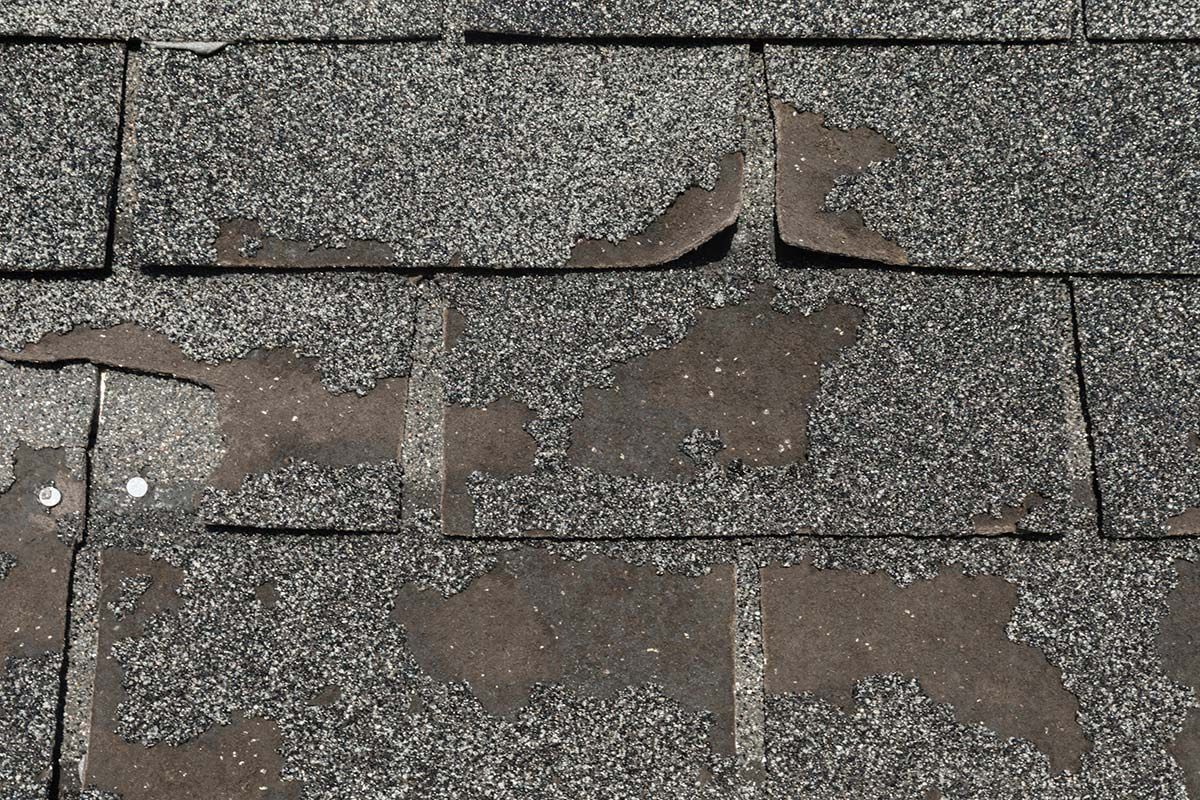
Discover how extreme heat, UV, and monsoons affect your roof in Arizona. Learn how Hahn Roofing helps Verde Valley homeowners protect their homes.