
How Long Do Asphalt Shingles Last in Arizona’s Climate?
January 17, 2025
How Long Can You Expect an Asphalt Shingle Roof to Last in Arizona?
Arizona’s
harsh climate
is tough on roofing materials. Intense
UV exposure, monsoon winds, and occasional hail
all contribute to the
wear and tear of asphalt shingles
. While asphalt roofs typically last
15-30 years in moderate climates
, Arizona homeowners often see a
shorter lifespan
due to extreme heat and weather conditions.
If you live in
, understanding
how long your roof will last—and how to extend its lifespan—can save you thousands in replacement costs
.
Typical Lifespan of Asphalt Shingles in Arizona
| Shingle Type | Expected Lifespan (National Average) | Expected Lifespan in Arizona |
| 3-Tab Shingles | 15-20 years | 12-18 years |
| Architectural Shingles | 20-30 years | 15-25 years |
| Luxury/Designer Shingles | 30-50 years | 20-30 years |
While manufacturers may
advertise lifespans of up to 30+ years
,
Arizona’s intense heat and high UV exposure accelerate roof degradation
.
Factors That Affect Asphalt Shingle Lifespan in Arizona
1. Sun & UV Exposure
- Arizona receives intense sunlight year-round , causing shingle deterioration and fading .
- UV rays break down the asphalt , leading to brittle shingles that crack and curl .
- South-facing roofs wear out faster due to direct sun exposure .
2. Extreme Heat & Thermal Cycling
- Summer temperatures regularly exceed 100°F , heating roof surfaces to 150-170°F .
- At night, temperatures drop significantly, causing thermal expansion and contraction .
- This cycle leads to shingle warping, cracking, and premature aging .
3. Monsoon Winds & Storm Damage
- Arizona’s monsoon season (June - September) brings heavy winds, dust storms, and flash flooding .
- Wind speeds can reach 60-100 mph , causing shingles to lift or tear off completely .
- Dust storms grind away protective granules , reducing a shingle’s resistance to UV damage.
For a full guide on wind-resistant roofing, read: Asphalt Shingles vs. Metal Roofing: Which is More Durable?
4. Hail & Impact Damage
- Hailstorms can cause shingle cracks, granule loss, and leaks .
- Even small hail (1 inch in diameter) can shorten a roof’s lifespan.
5. Poor Installation & Ventilation
- Improperly installed shingles can lift prematurely, allowing moisture to seep in .
- Inadequate attic ventilation traps heat, further accelerating roof wear .
For installation tips, visit: How to Choose the Best Roofing Contractor in Arizona
Signs That Your Asphalt Roof Needs Replacing
Even with proper care, asphalt shingles in Arizona will eventually
show signs of aging
. Watch for these
red flags
:
✅
Cracking & Curling Shingles
– UV damage weakens asphalt, leading to
visible cracks and curling edges
.
✅
Granule Loss
– If you notice
bald spots
on your shingles or
excess granules in gutters
, your roof’s protection is wearing away.
✅
Loose or Missing Shingles
–
High winds and monsoon storms
can
dislodge shingles
, leaving your home vulnerable to leaks.
✅
Water Stains or Leaks
–
Ceiling stains, mold, or damp attic insulation
indicate
water penetration from worn-out shingles
.
✅
Sagging Roof Deck
– A sagging area suggests
structural issues or trapped moisture
, requiring immediate attention.
If you’re experiencing any of these issues, visit: Signs Your Asphalt Roof Needs Repair or Replacement
How to Extend the Lifespan of Your Asphalt Shingle Roof
Even though asphalt shingles have a
shorter lifespan in Arizona
,
proper maintenance
can help maximize longevity.
1. Choose High-Quality Shingles
- Architectural or luxury shingles last longer than 3-tab shingles in extreme heat.
- Some brands offer heat-resistant coatings designed for hot climates.
2. Keep Your Roof Clean & Free of Debris
- Dust and debris buildup can trap moisture, leading to shingle deterioration .
- Trim back overhanging trees to prevent branches from scraping and damaging shingles .
3. Regularly Inspect for Damage
- Schedule annual roof inspections , especially before and after monsoon season .
- Look for cracks, missing granules, and lifted shingles after strong storms.
For maintenance best practices, visit: How to Maintain an Asphalt Shingle Roof
4. Improve Attic Ventilation
- Proper airflow prevents excessive heat buildup , reducing thermal expansion and contraction stress .
- Ridge vents, soffit vents, and attic fans help regulate roof temperature .
5. Apply Roof Coatings for Extra Protection
- Some cool roof coatings can reflect sunlight and reduce heat absorption .
- UV-protective coatings extend shingle life by preventing premature drying and cracking .
Should You Repair or Replace Your Asphalt Roof?
If your roof is
over 15 years old
or shows
multiple signs of wear
, it may be time for a
replacement
.
When to Repair:
✔ Minor cracking or curling on a few shingles
✔ Small patches of missing granules
✔ A few loose or displaced shingles after a storm
When to Replace:
❌ Extensive granule loss across the roof
❌ Shingles that are curling, cracking, or missing in multiple areas
❌ Leaks that persist even after repairs
❌ Your roof is
over 15 years old
, and repairs are becoming more frequent
For cost considerations, visit: How Much Does an Asphalt Shingle Roof Cost?
Final Thoughts: How Long Will Your Asphalt Roof Last?
In
Arizona’s harsh climate
,
asphalt shingles generally last 15-25 years
, with
architectural and luxury shingles performing better than 3-tab shingles
.
While asphalt roofing is
affordable
, it requires
routine maintenance and occasional repairs
to maximize its lifespan.
If your
roof is showing signs of wear
, consider whether
repairs or a full replacement
is the best solution for your home.
Next Steps: Get a Roof Inspection & Quote
Not sure how much life your roof has left? Schedule a
professional roof inspection
to determine if your
asphalt shingles need repairs or replacement
.
For further reading, explore:
For additional insights, check out:
- National Roofing Contractors Association – Asphalt Shingle Guide
- Energy.gov – Reflective Roofing for Hot Climates
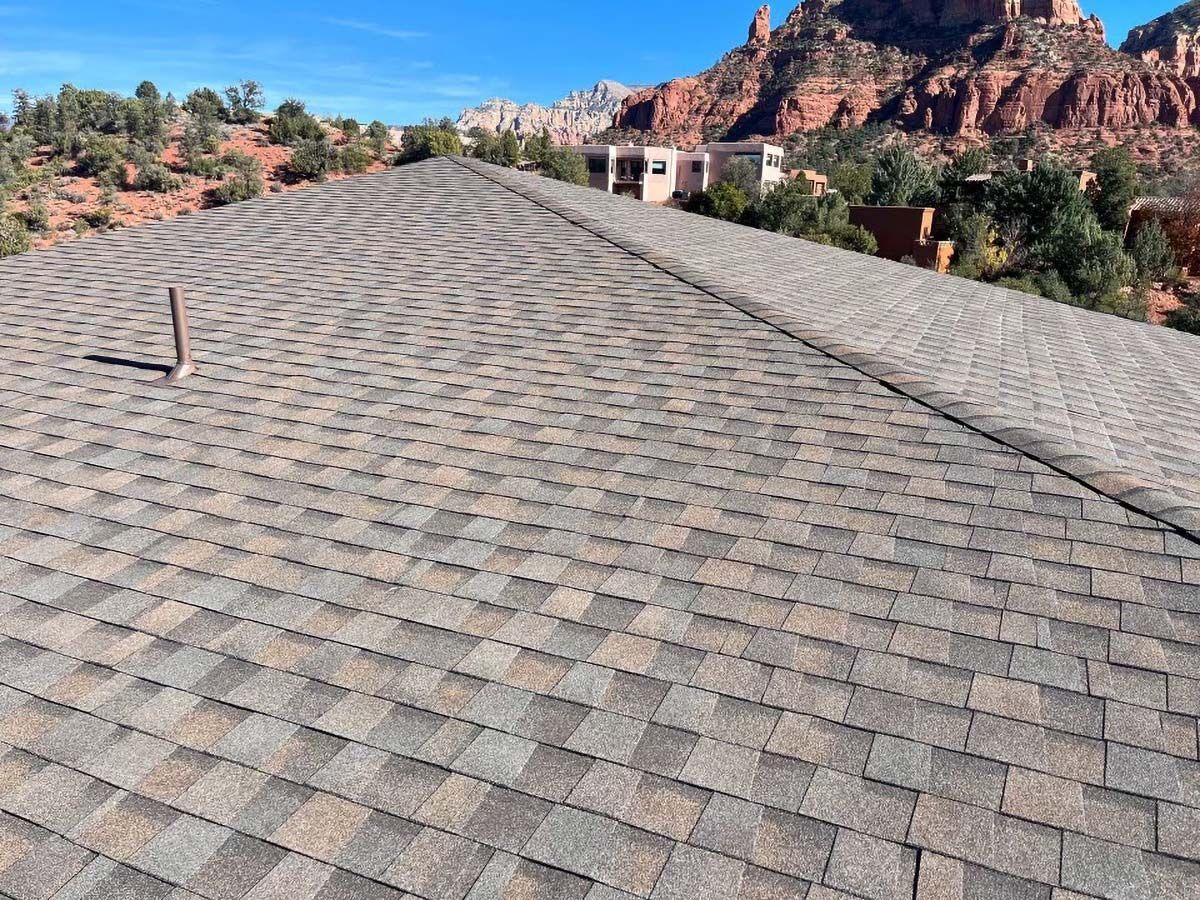
Sedona New Year roof checkup: quick signs to spot, what to notice inside, and when to book a professional roof inspection.
Holiday weather has a way of showing up at the worst time. People are traveling. Family is in town. The house is busy. And if your roof has a weak spot, that’s when you notice it. Most winter roof lea…
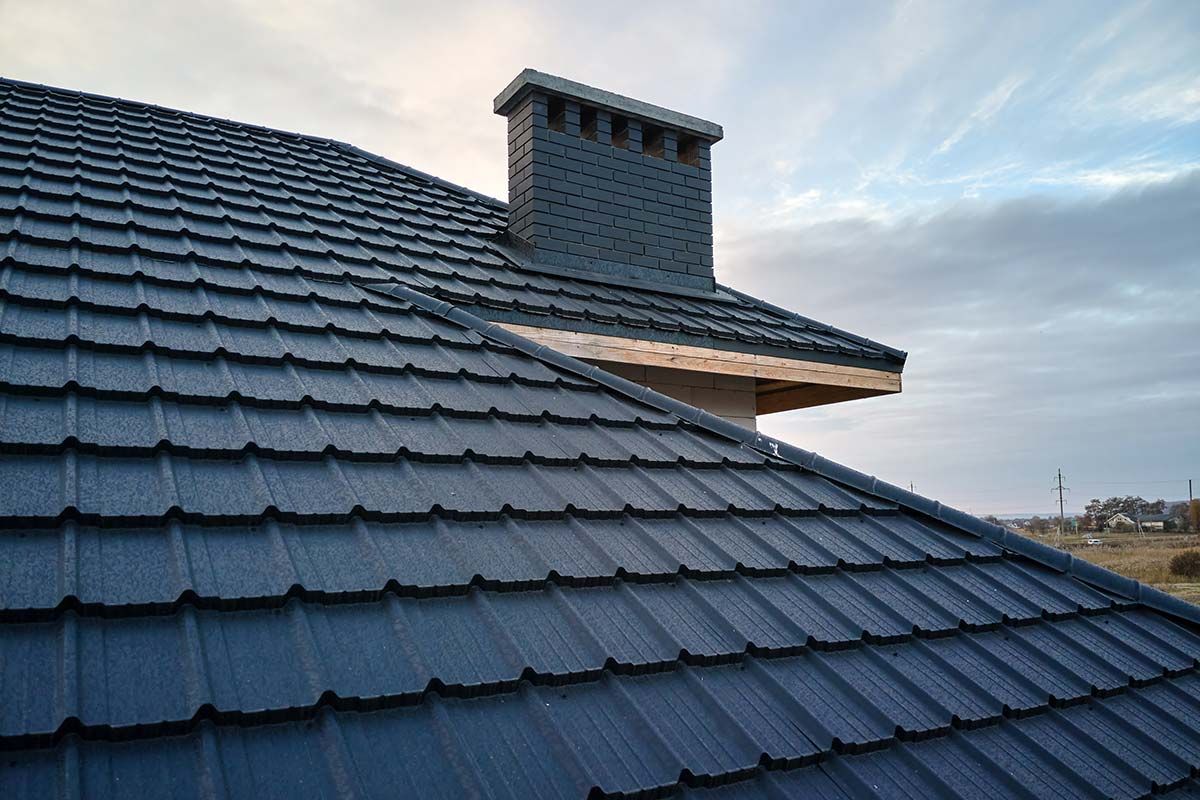
A metal shingle roof is a metal roof that goes on in small pieces, not long panels. The shingles overlap as they’re installed, and many systems are made to lock together so the surface stays tight in …
Winter in the Verde Valley isn’t “snow country,” but it’s also not Phoenix. We get cold nights, the occasional dusting, and quick weather swings. Sedona sits up around 4,500–4,800 feet, so freeze-thaw…
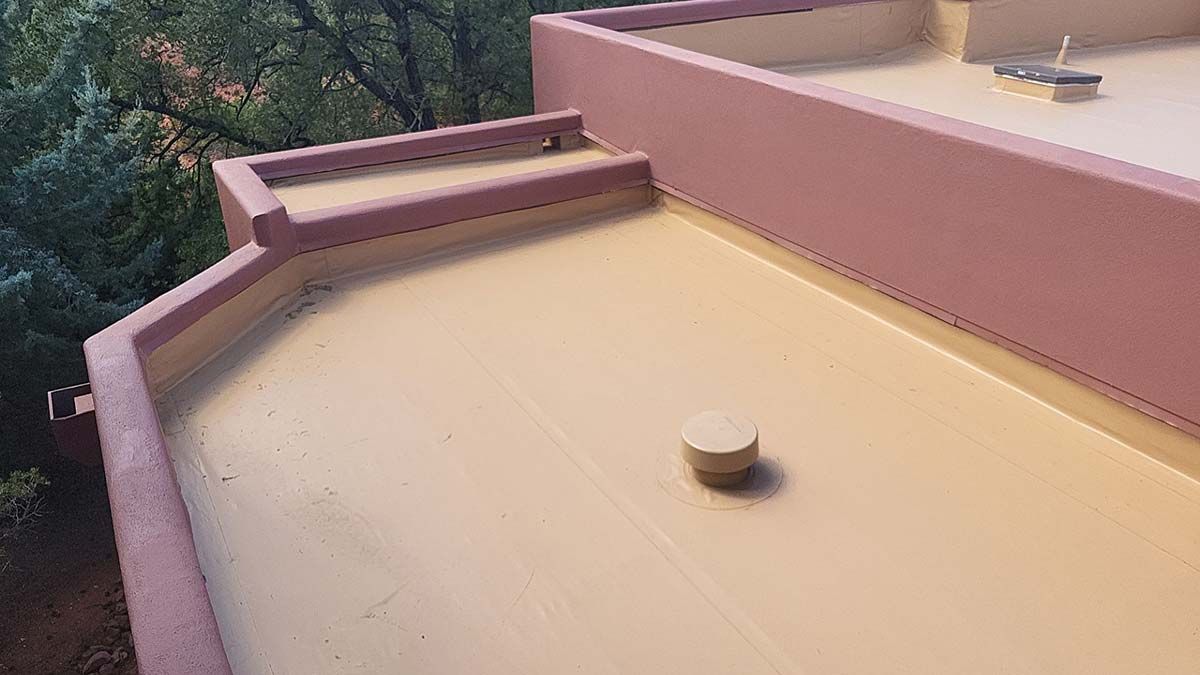
Flat roofs do well in Arizona, but winter is when small drainage issues turn into real headaches. It is rarely one big event. It is usually a slow backup at a scupper. A drain that runs fine until lea…
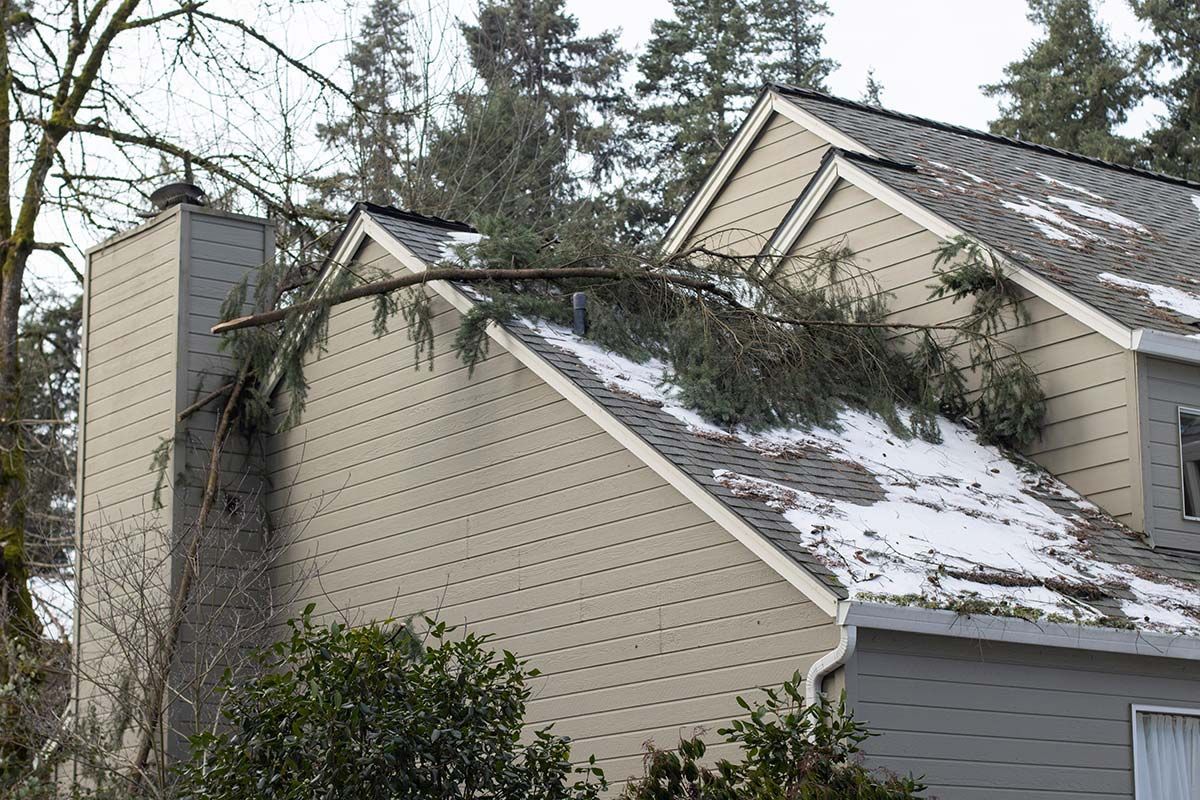
Winter roof preparation: roof maintenance, gutter repair, shingle check and leak prevention for Arizona homes ready for the winter months.
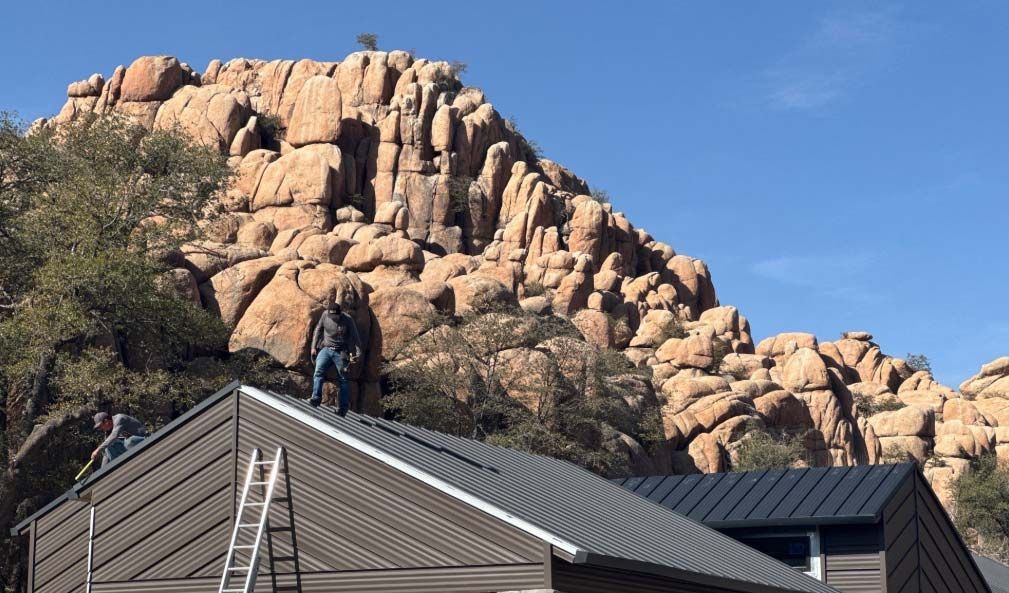
Fall roof maintenance tips for Cottonwood, Arizona homeowners—inspect, clean, and prepare your roof before winter rain and cold set in.
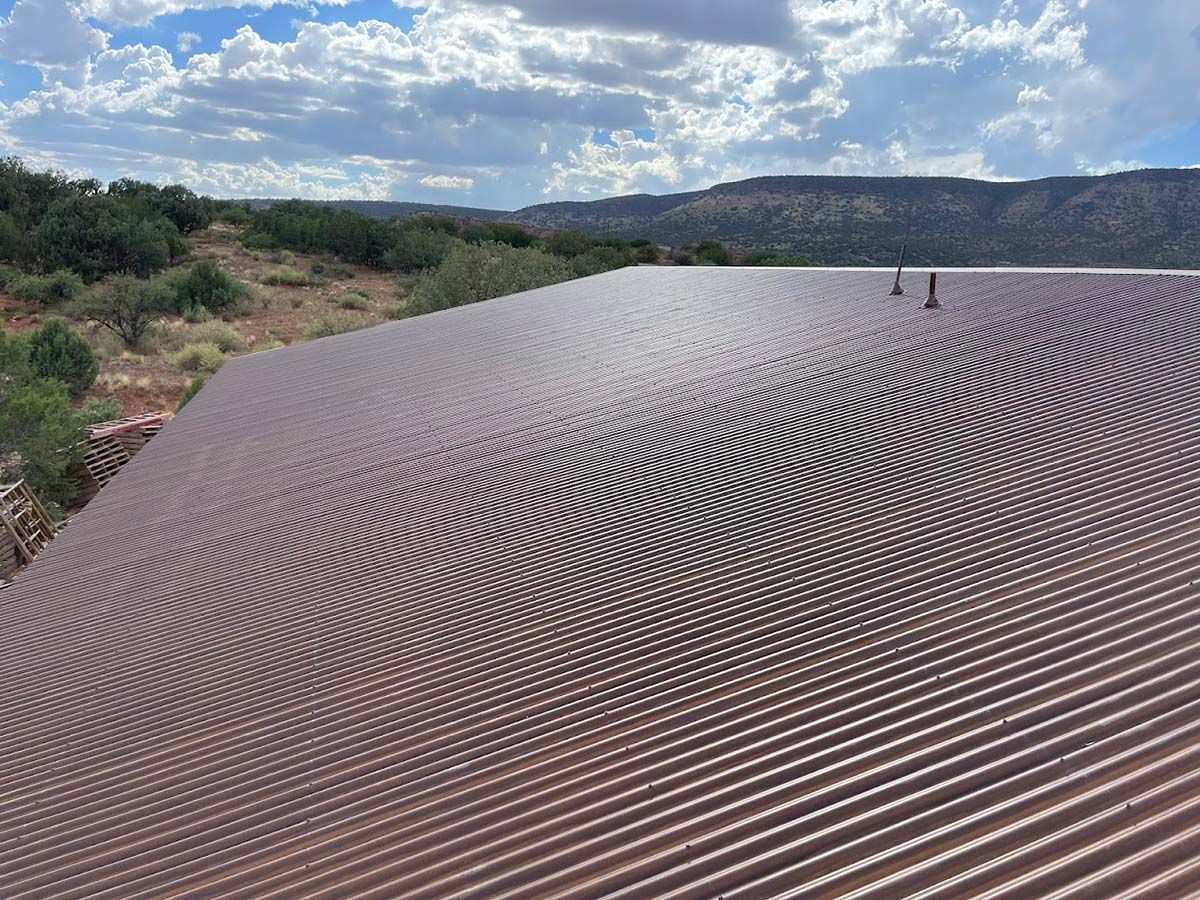
Discover how metal roofs handle Arizona’s extreme heat, monsoons, and hail. Learn why metal roofing is the best choice for homes in Sedona, Prescott, and Cottonwood.
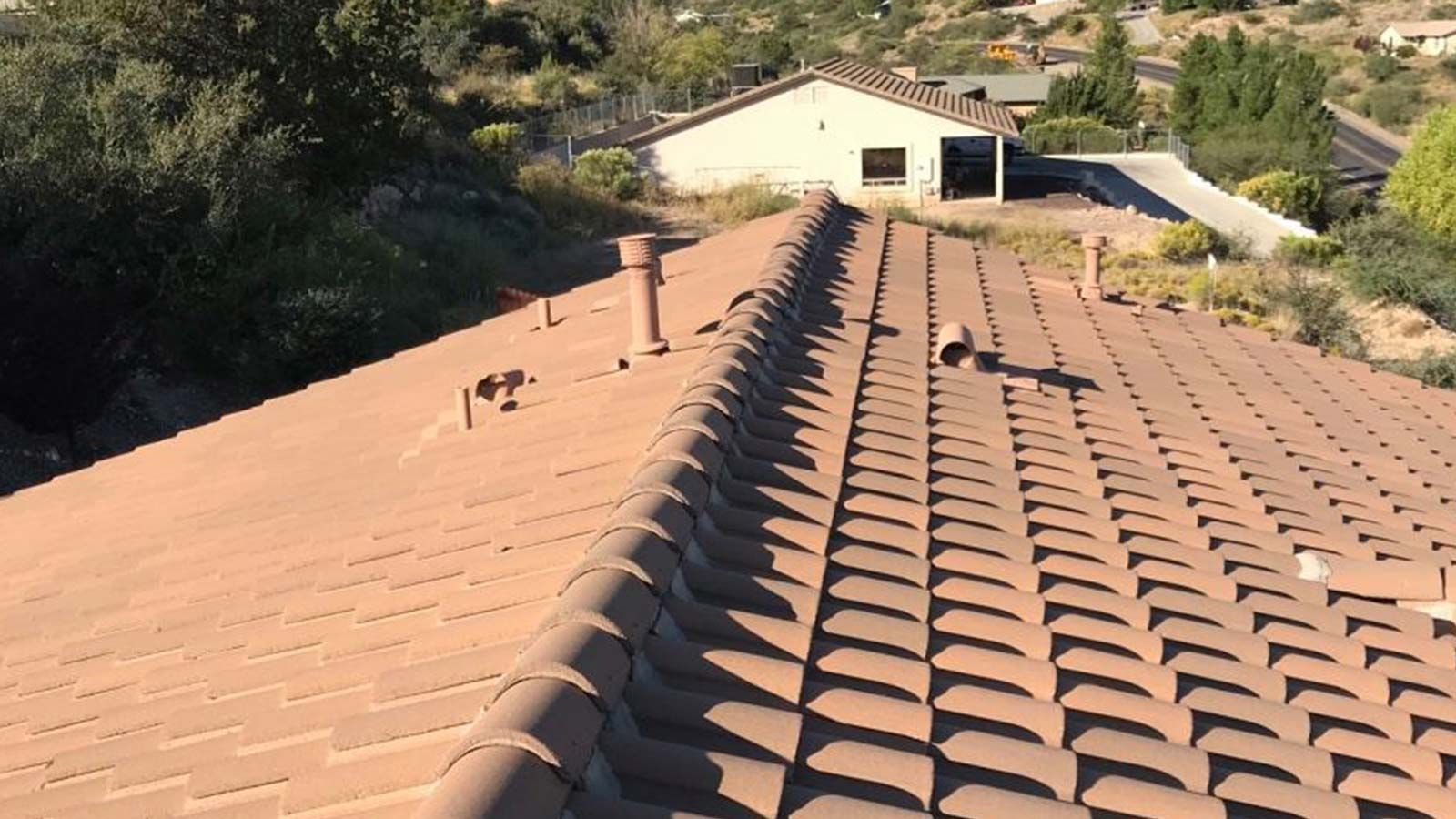
Get your roof ready for autumn in Cottonwood with these expert fall roofing tips. Learn about inspections, debris clearing, attic ventilation, and more!
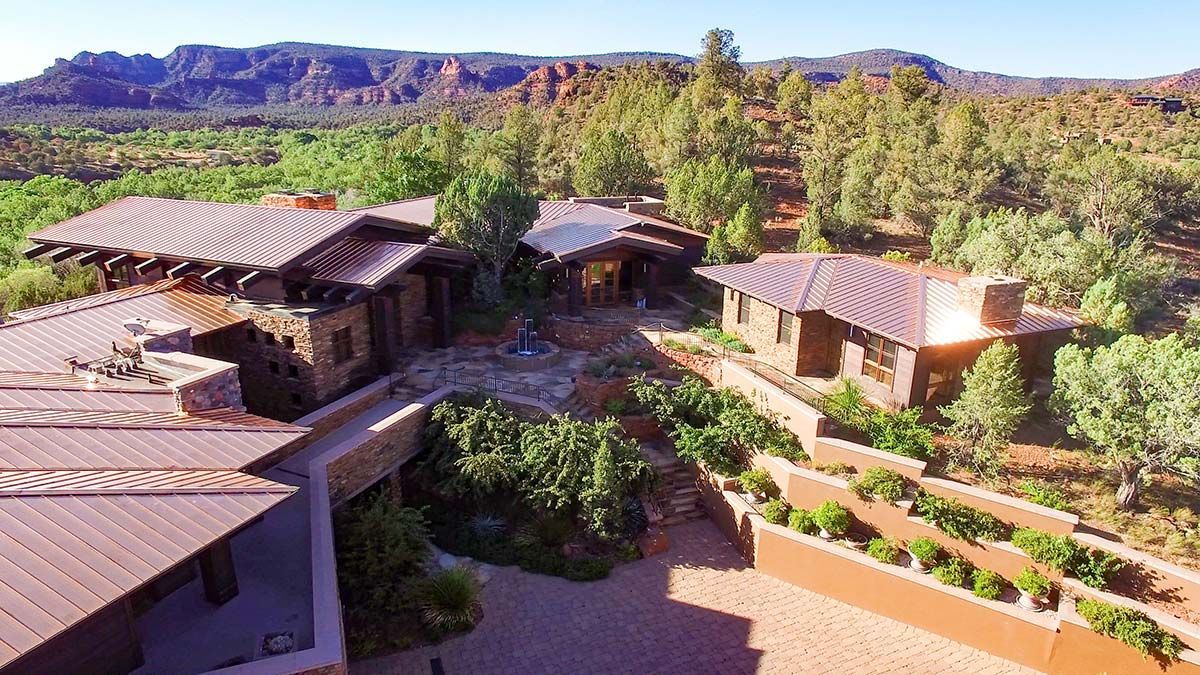
Wondering if a metal roof is worth it? Compare metal roofs vs. asphalt shingles for Arizona homes, including costs, durability, energy efficiency, and maintenance.