
How to Prepare Your Roof for Monsoon Season in the Verde Valley
August 22, 2025
1. Walk Around. Look Up. Anything Seem Off?
- Shingles that look cracked, curled, or missing altogether
- Gaps between tiles or along the ridge
- Discolored patches that weren’t there last season
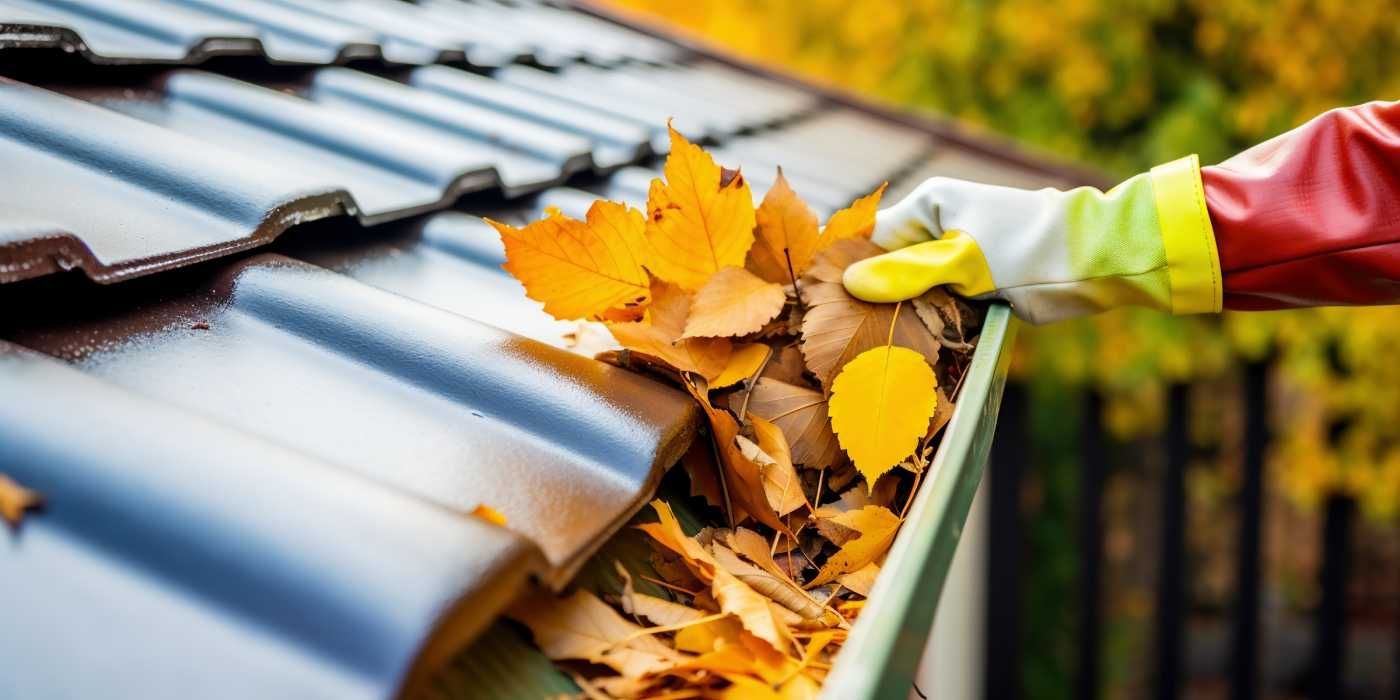
2. Clean Out the Gutters (Yes, Even If It Was “Fine Last Year”)
- Scoop out old leaves and dirt
- Run water through the downspouts to make sure they drain freely
- Check that nothing is sagging or pulling away from the fascia
3. Trim Back Trees That Could Turn into Trouble
- Overhanging limbs above your roofline
- Dead or brittle branches that could break off easily
- Fast-growing trees too close to the home
4. Take a Closer Look at the Flashing
- Rust or corrosion
- Bent or lifted edges
- Gaps or cracked sealant around pipes or dormers
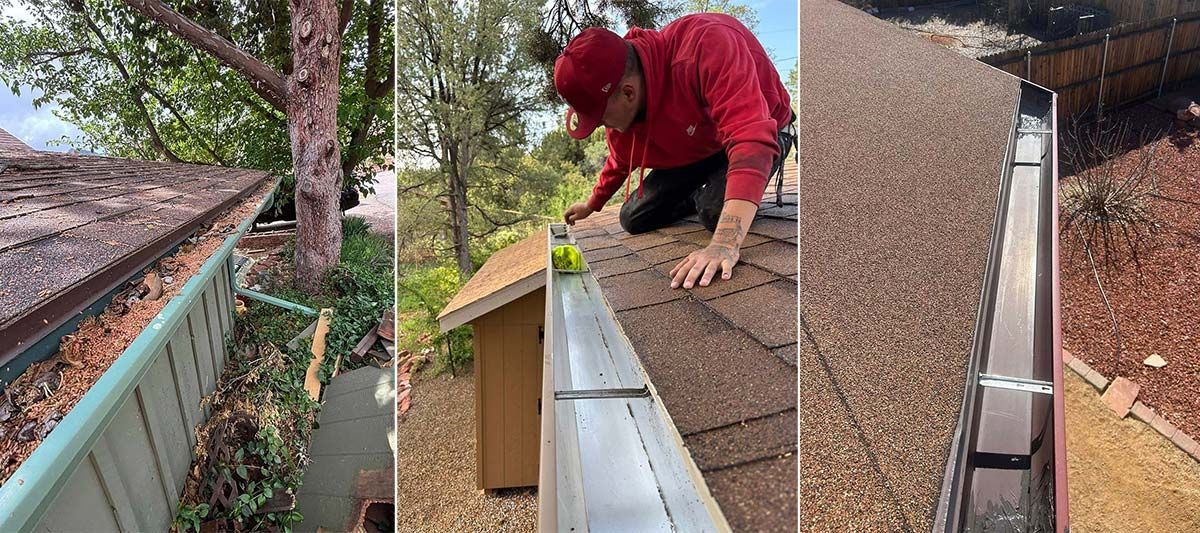
5. Reinforce the Roof Where It Counts
- Recoat flat roofs to prevent water pooling
- Secure fasteners on metal panels that have expanded in the heat
- Patch wear and tear on underlayment or sealants
6. If a Storm Does Hit, Don’t Panic—Just Act Quickly
- Stay off the roof—it’s not worth the risk
- Use buckets, towels, or tarps to contain leaks
- Take clear photos for your insurance company
- Call us—we’ll get you on the schedule for emergency repair
7. Don’t Wait Until It’s Too Late
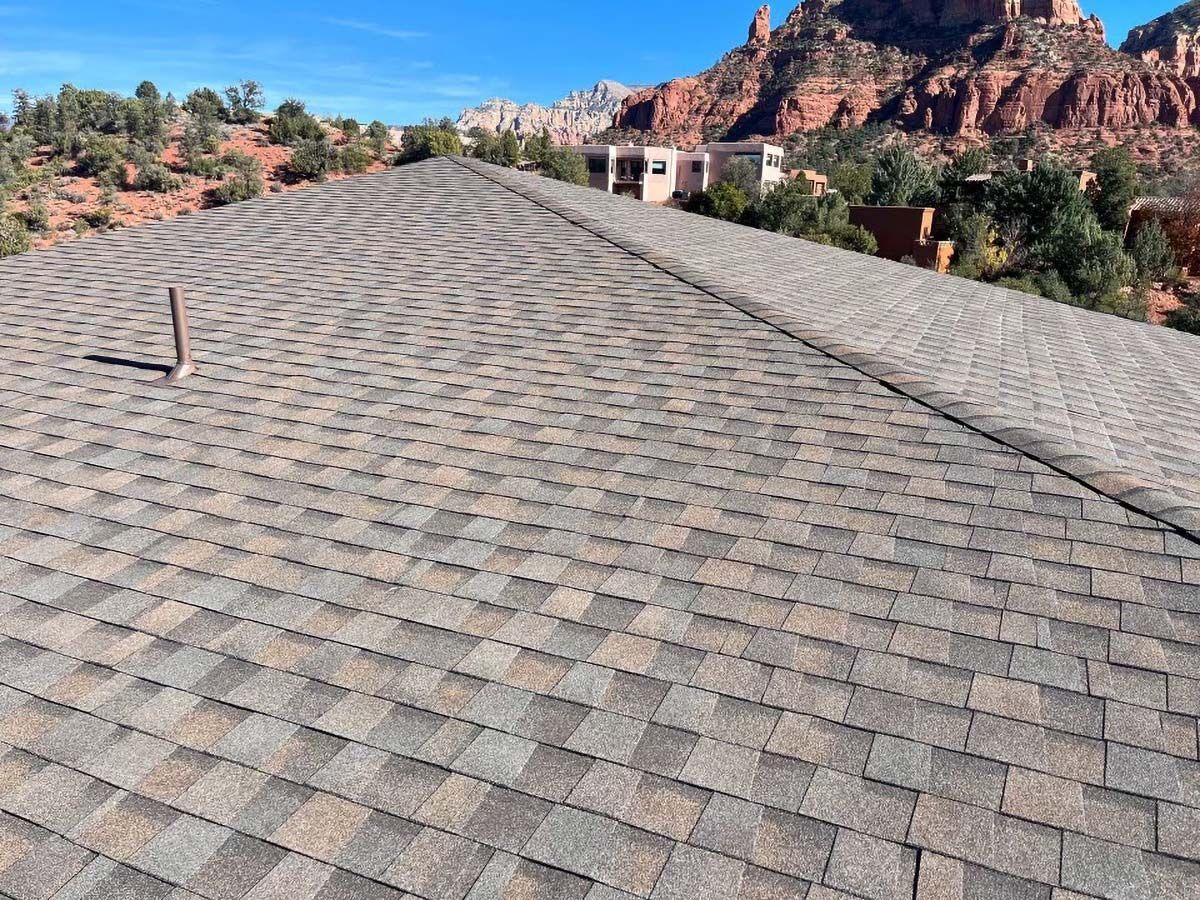
Sedona New Year roof checkup: quick signs to spot, what to notice inside, and when to book a professional roof inspection.
Holiday weather has a way of showing up at the worst time. People are traveling. Family is in town. The house is busy. And if your roof has a weak spot, that’s when you notice it. Most winter roof lea…
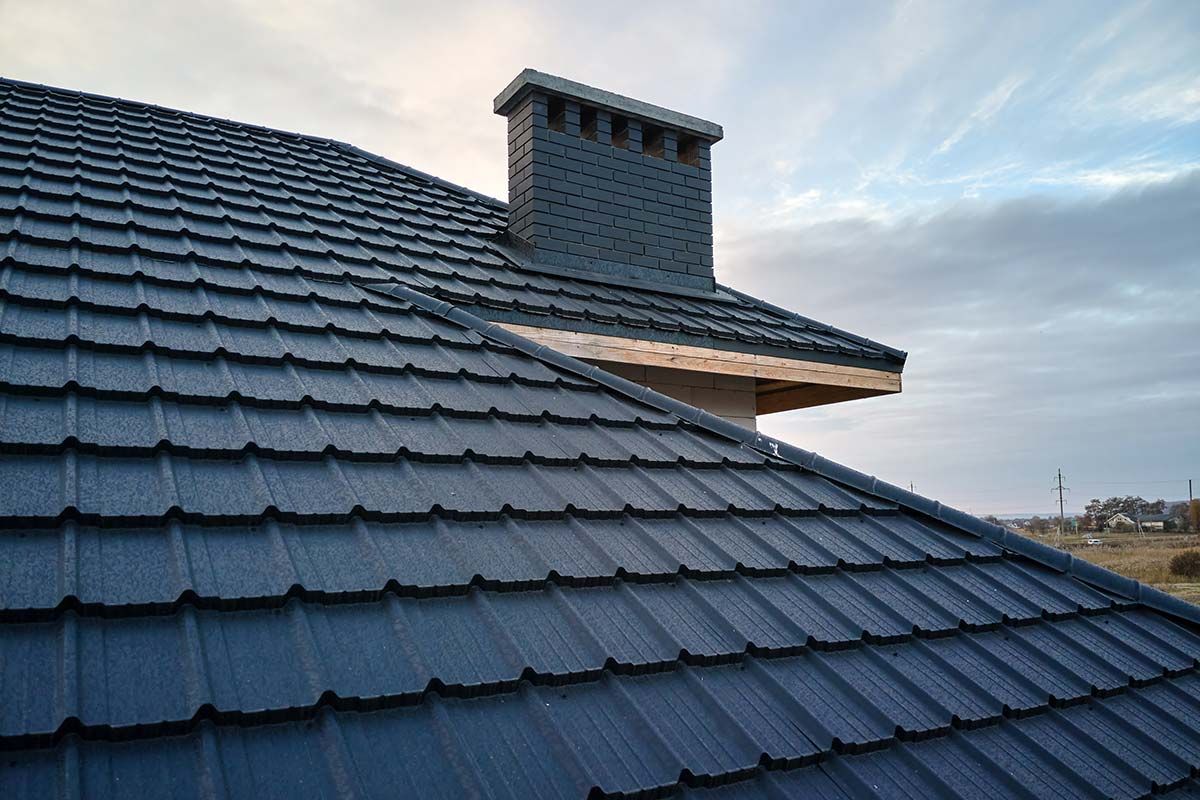
A metal shingle roof is a metal roof that goes on in small pieces, not long panels. The shingles overlap as they’re installed, and many systems are made to lock together so the surface stays tight in …
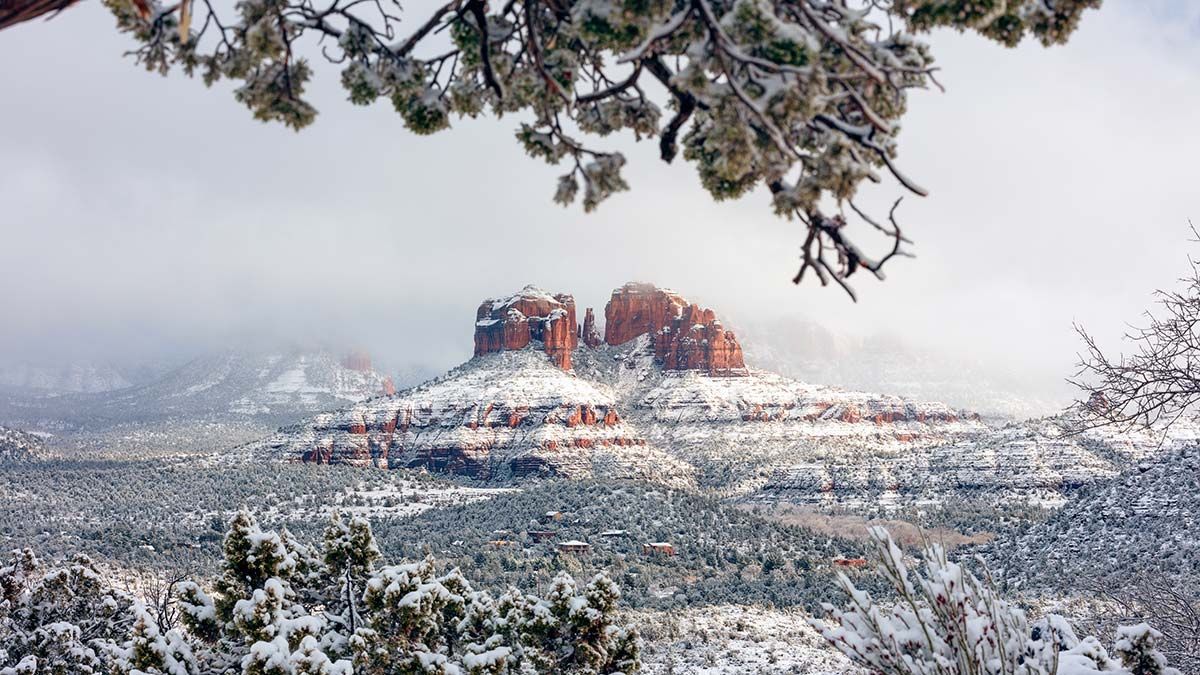
Winter in the Verde Valley isn’t “snow country,” but it’s also not Phoenix. We get cold nights, the occasional dusting, and quick weather swings. Sedona sits up around 4,500–4,800 feet, so freeze-thaw…
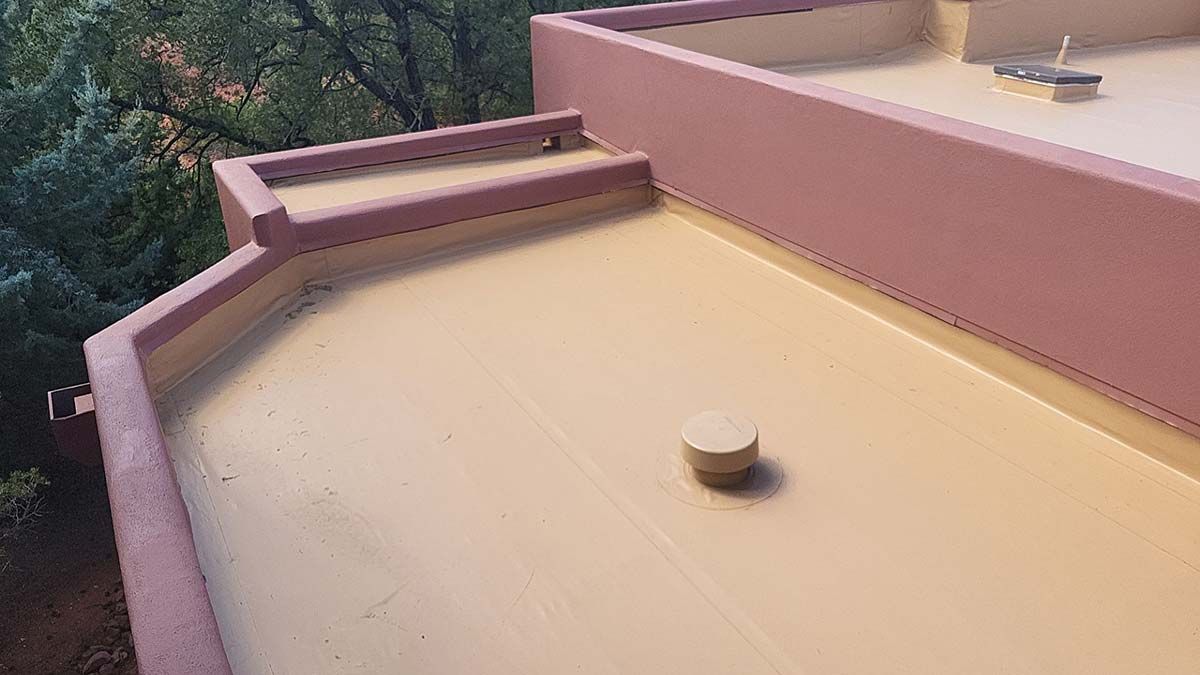
Flat roofs do well in Arizona, but winter is when small drainage issues turn into real headaches. It is rarely one big event. It is usually a slow backup at a scupper. A drain that runs fine until lea…
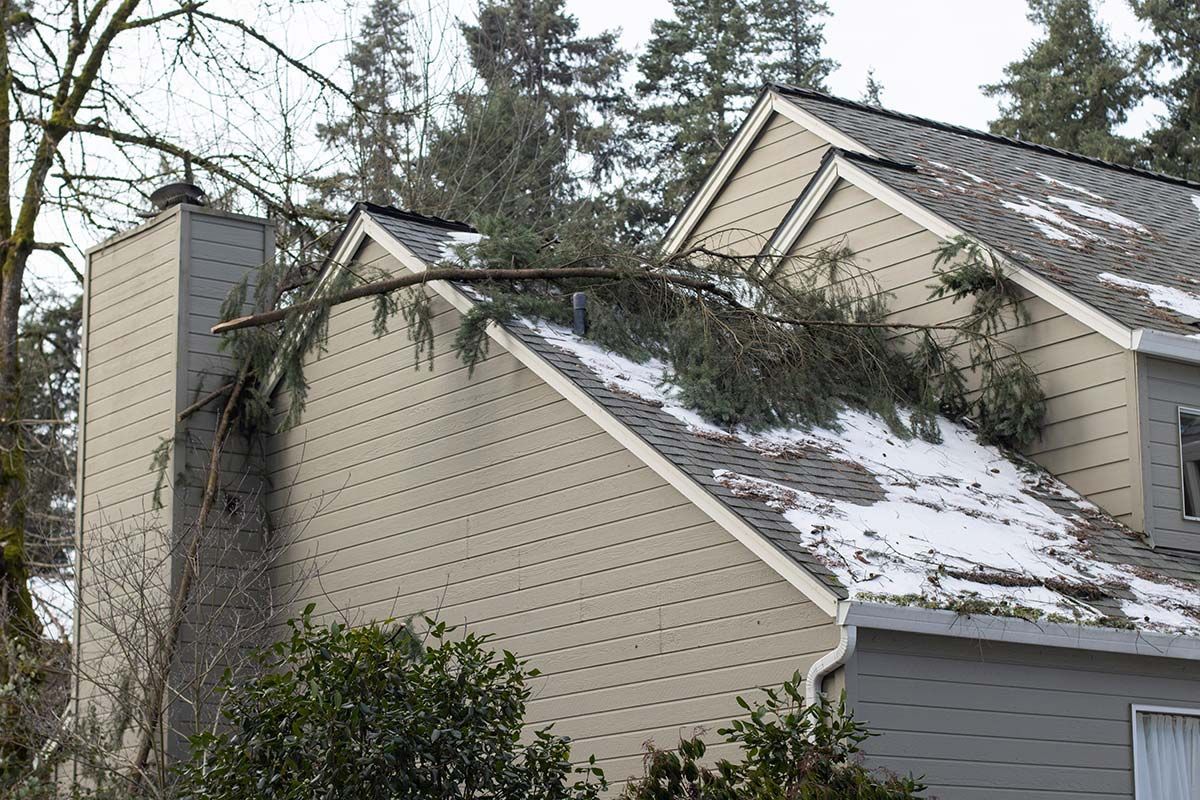
Winter roof preparation: roof maintenance, gutter repair, shingle check and leak prevention for Arizona homes ready for the winter months.
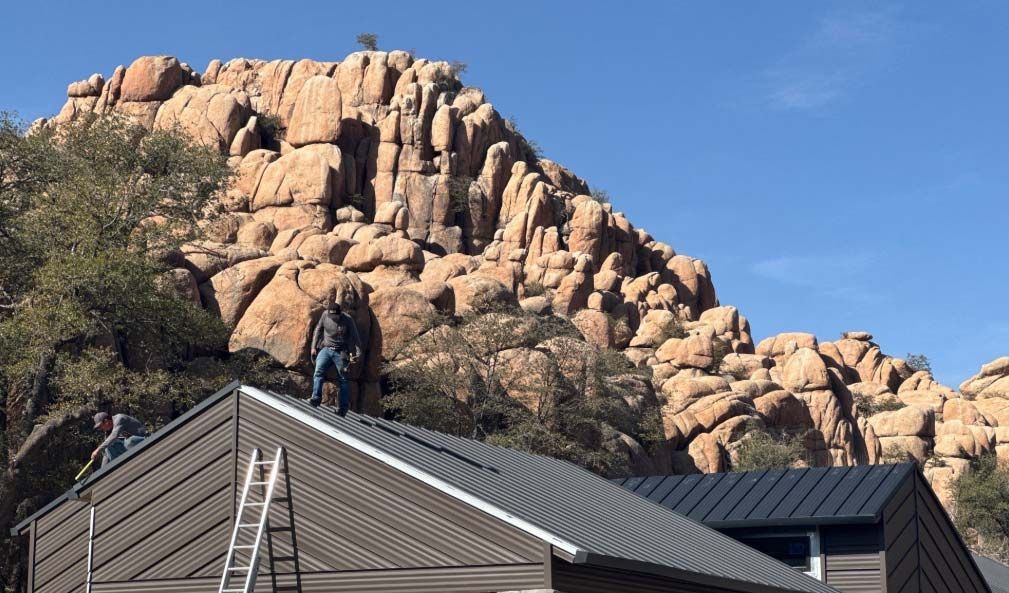
Fall roof maintenance tips for Cottonwood, Arizona homeowners—inspect, clean, and prepare your roof before winter rain and cold set in.
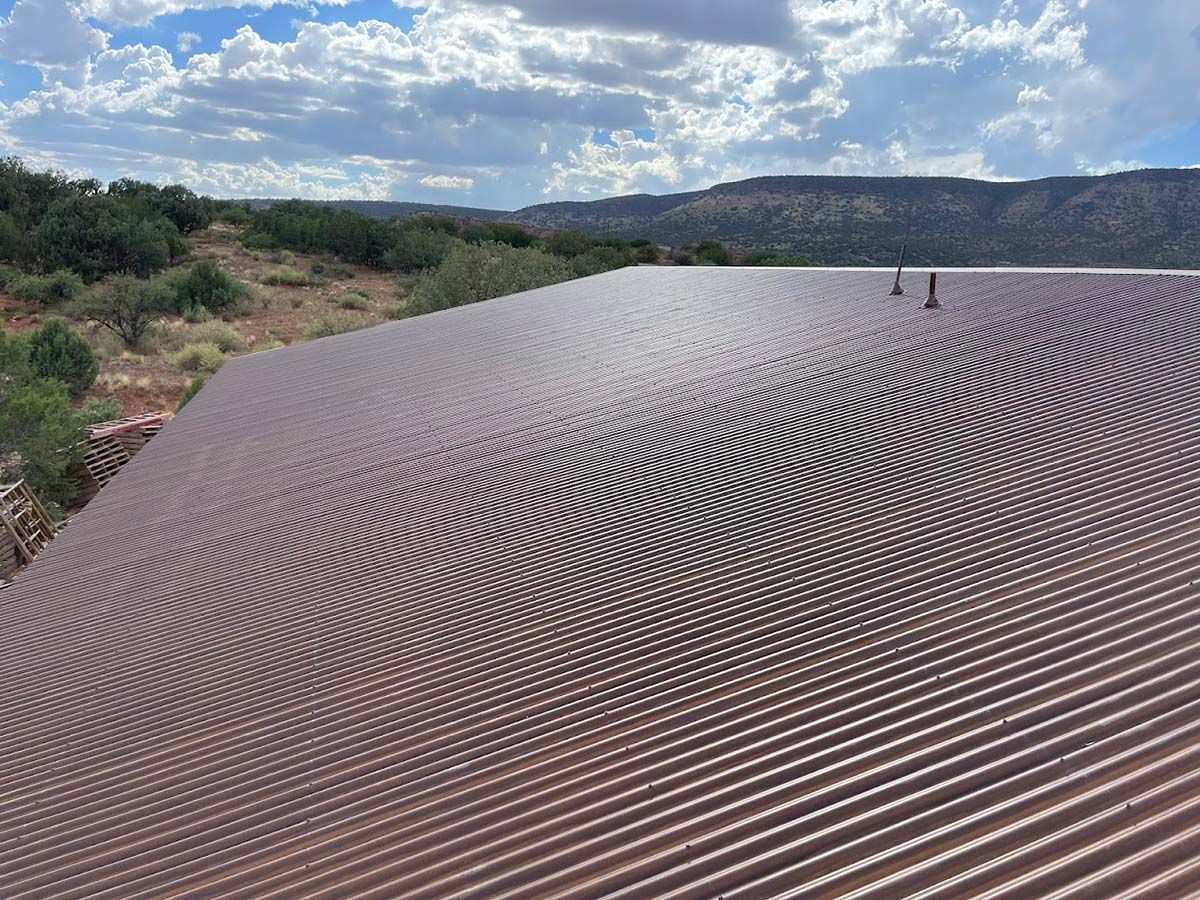
Discover how metal roofs handle Arizona’s extreme heat, monsoons, and hail. Learn why metal roofing is the best choice for homes in Sedona, Prescott, and Cottonwood.
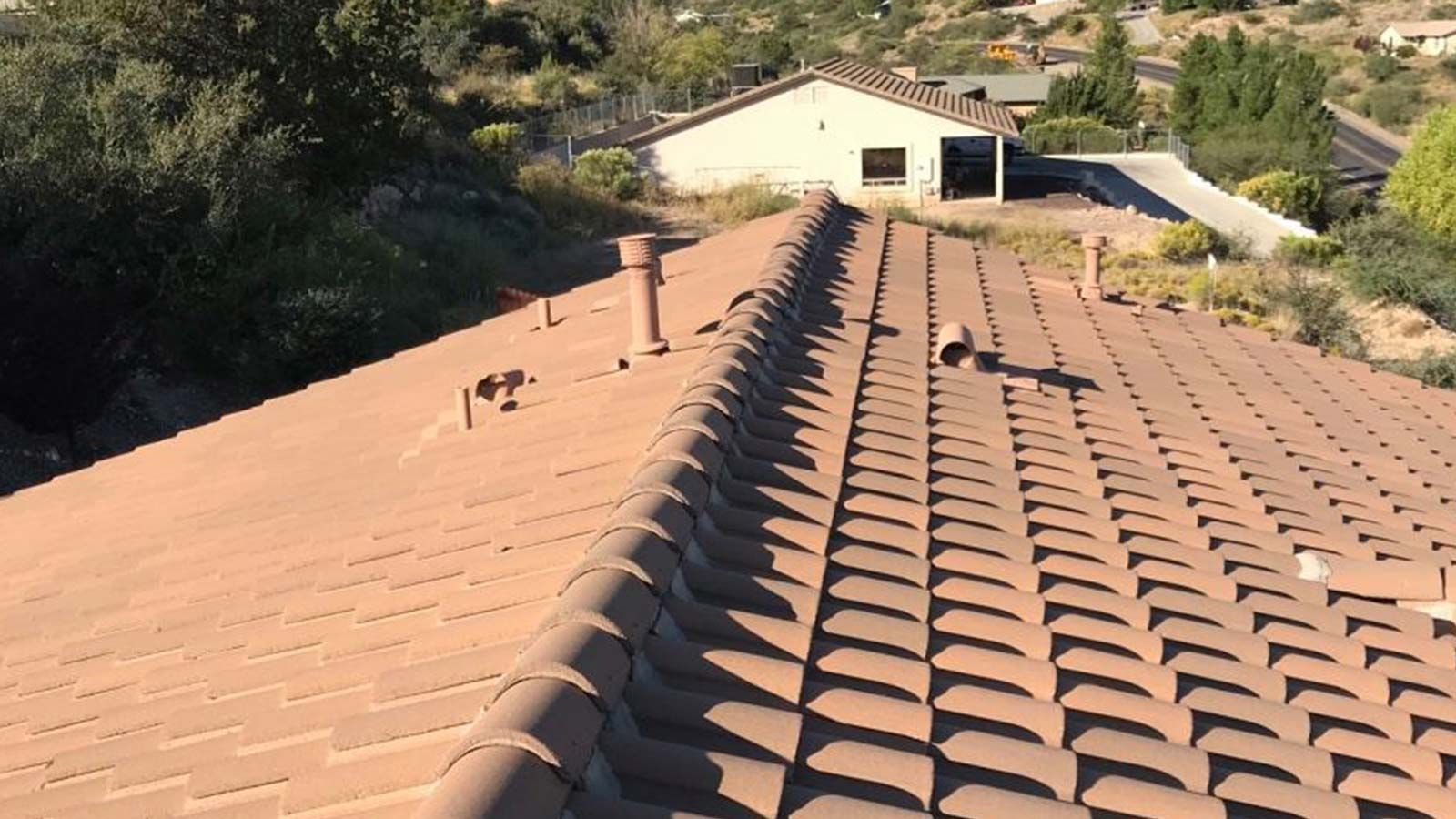
Get your roof ready for autumn in Cottonwood with these expert fall roofing tips. Learn about inspections, debris clearing, attic ventilation, and more!
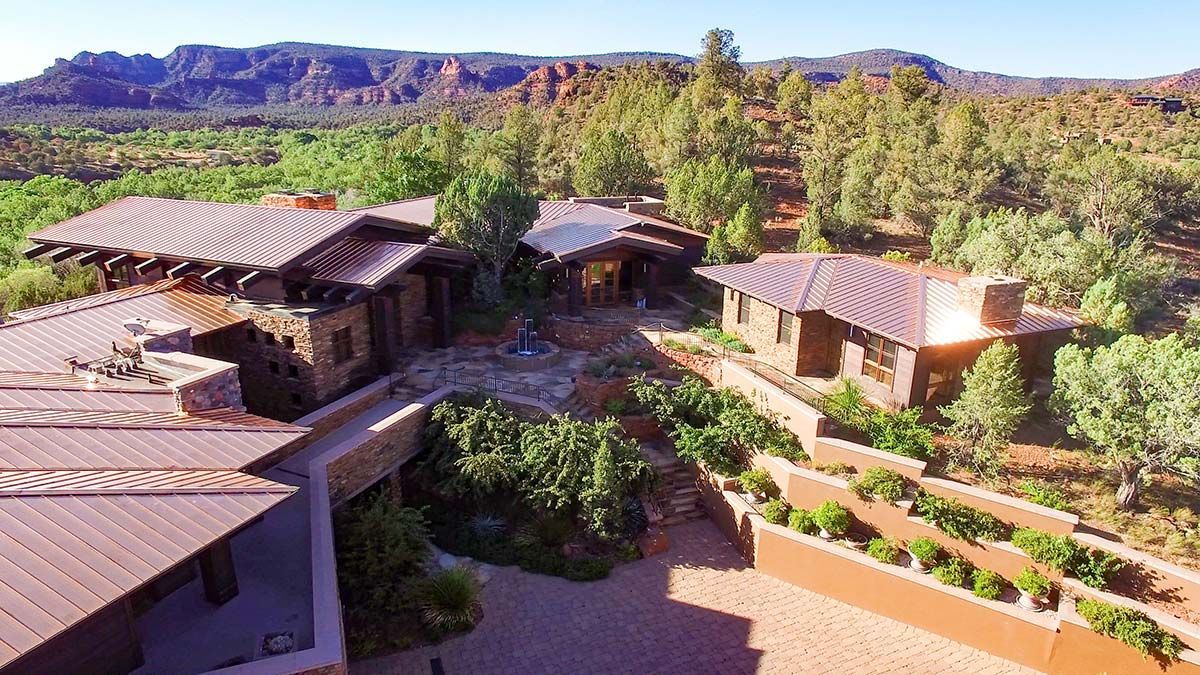
Wondering if a metal roof is worth it? Compare metal roofs vs. asphalt shingles for Arizona homes, including costs, durability, energy efficiency, and maintenance.