Energy Efficiency of Metal Roofing: How It Lowers Cooling Costs in Arizona
February 5, 2025
Why Energy Efficiency Matters for Arizona Homes
Arizona’s climate presents a unique challenge for homeowners. With
summer temperatures regularly exceeding 100°F
, keeping homes cool is a priority. Air conditioning is essential, but it can drive up energy bills, especially in
, where the sun beats down on rooftops for most of the year.
One of the most effective ways to reduce cooling costs is to invest in an
energy-efficient roofing system
. Metal roofing
stands out as one of the best options due to its
reflectivity, insulation compatibility, and heat dissipation properties
.
This guide will explain how
metal roofs improve energy efficiency
, helping Arizona homeowners save money while keeping their homes comfortable year-round.
How Metal Roofing Reduces Heat Absorption
Unlike traditional asphalt shingles, which
absorb and retain heat
, metal roofing is designed to
reflect solar energy
. This results in
lower attic temperatures
and
less strain on air conditioning systems
.
Key Energy-Efficient Features of Metal Roofing
- High Solar Reflectivity
- Metal roofs reflect up to 70% of solar radiation , reducing indoor heat buildup.
- Reflective coatings and light-colored finishes enhance this effect.
- Thermal Emissivity
- Metal roofing quickly releases any absorbed heat, preventing it from being transferred into the home.
- Unlike asphalt shingles, which hold heat long after sunset, metal roofs cool down rapidly.
- Insulation Compatibility
- Metal roofing works well with added insulation layers, improving overall energy efficiency.
- A properly ventilated metal roof reduces heat transfer and prevents hot spots in attics.
For a full breakdown of metal roof installation, visit: Metal Roof Installation: What Homeowners Need to Know
Comparing Metal Roofing to Other Materials
Arizona homeowners have several roofing material options, but not all provide the same level of energy efficiency.
| Roofing Material | Solar Reflectivity | Cooling Cost Reduction | Heat Retention |
| Metal Roofing | High (40-70%) | Up to 25% | Low (dissipates heat quickly) |
| Asphalt Shingles | Low (10-25%) | Minimal | High (retains heat) |
| Tile Roofing | Moderate (30-50%) | 10-20% | Moderate (absorbs heat but allows ventilation) |
| Foam Roofing | High (50-80%) | 20-30% | Low |
Why Metal Roofing is More Efficient Than Asphalt Shingles
- Asphalt shingles absorb heat , causing attics to reach temperatures of 150°F or more in summer.
- Metal roofing reflects heat , keeping attic temperatures up to 50°F cooler than asphalt shingles.
- Lighter-colored metal roofs outperform dark shingles in reducing heat gain.
For more on the performance of metal roofs in Arizona’s climate, visit: Metal Roof Performance in Extreme Weather
How Much Can Metal Roofing Reduce Cooling Costs?
Estimated Energy Savings
- Homeowners in Cottonwood, Prescott, and Camp Verde report 15-25% reductions in cooling costs after switching to metal roofing.
- Studies from the U.S. Department of Energy show that high-reflectance metal roofs can lower attic temperatures by up to 50°F .
- A properly installed metal roof with insulation can save hundreds of dollars annually in energy costs.
Real-World Example
A homeowner in
Sedona
replaced their asphalt shingle roof with a
standing seam metal roof coated with a reflective finish
. Before the change, their
monthly summer electricity bill averaged $300
. After the switch, their
energy costs dropped by 20%
, saving them
$60 per month
.
For more on the long-term financial benefits of metal roofing, visit: How Much Does a Metal Roof Cost?
The Role of Roof Color in Energy Efficiency
The color of your metal roof plays a significant role in
how much heat it absorbs or reflects
.
| Roof Color | Heat Absorption | Energy Efficiency |
| White/Light Colors | Low | Best |
| Beige/Gray | Moderate | Good |
| Dark Brown/Black | High | Least Efficient |
Tip:
If you're considering a metal roof, choose a
light color or a reflective coating
to maximize energy savings.
Additional Features That Improve Metal Roof Efficiency
- Cool Roof Coatings
- Special reflective coatings further reduce heat absorption .
- These coatings are especially useful for homes in Prescott Valley and Sedona , where sunlight exposure is intense.
- Ventilation Systems
- Ridge vents and soffit vents help remove trapped hot air , improving overall cooling efficiency.
- Proper ventilation prevents heat buildup in attics , reducing AC usage.
- Solar Integration
- Metal roofs work seamlessly with solar panel systems , further increasing energy efficiency.
- Solar panels extend the lifespan of metal roofs by shielding them from direct sun exposure.
For more on sustainability, visit: The Environmental Impact of Metal Roofing
Final Thoughts: Is a Metal Roof Worth the Investment?
If you live in
Arizona
, where temperatures soar in the summer, investing in an
energy-efficient metal roof
can provide:
- Lower energy bills
- A cooler and more comfortable home
- Increased property value
While the
upfront cost of metal roofing is higher
than asphalt shingles,
the long-term energy savings make it a worthwhile investment
.
Next Steps: Upgrade to an Energy-Efficient Metal Roof
Switching to metal roofing is one of the best ways to improve your home's
energy efficiency and durability
. If you're considering a metal roof for your home in
Prescott, Sedona, or Cottonwood
, work with a trusted roofing professional who understands Arizona’s climate.
For more in-depth insights, read:
For additional research, check out:
- Energy.gov – Cool Roof Benefits
- Metal Roofing Alliance – How Metal Roofs Improve Energy Efficiency
- National Renewable Energy Laboratory – Reflective Roof Technologies
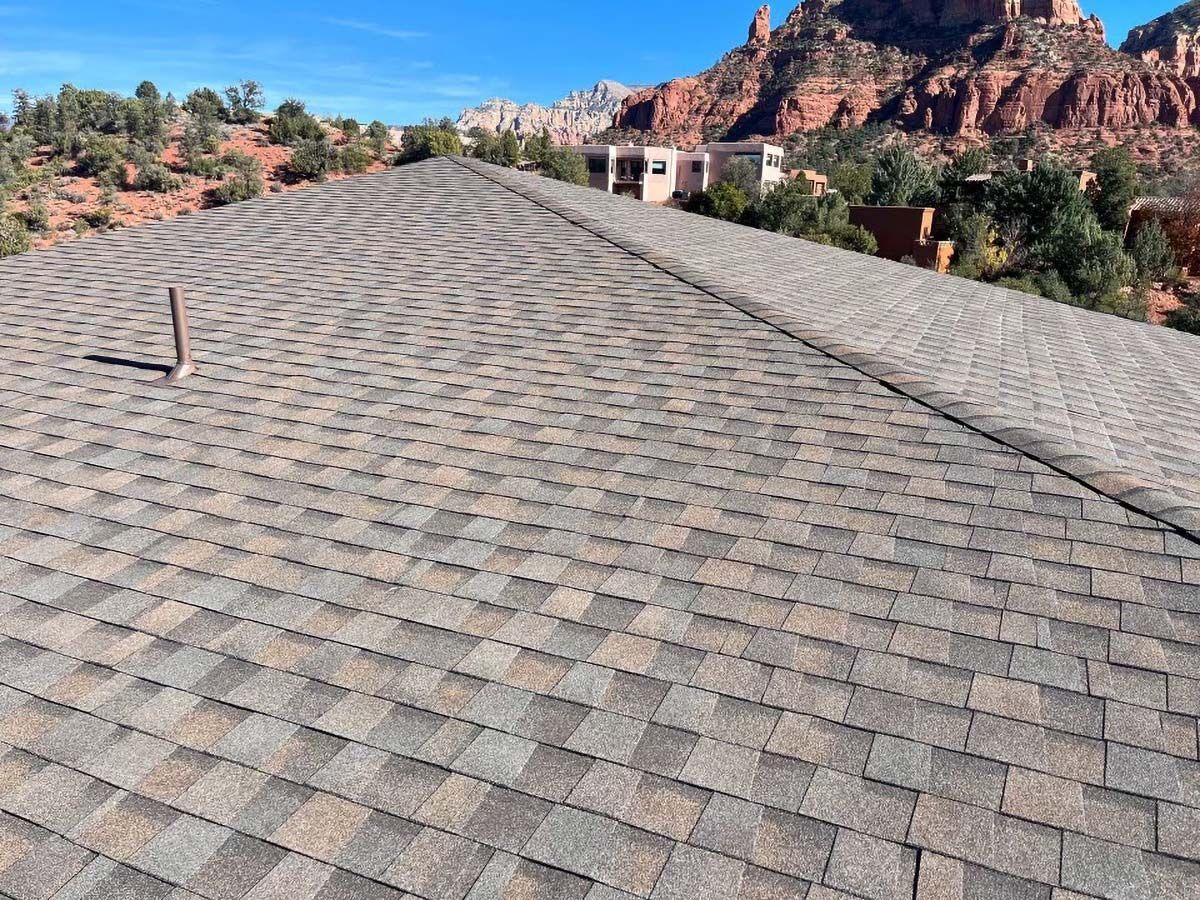
Sedona New Year roof checkup: quick signs to spot, what to notice inside, and when to book a professional roof inspection.
Holiday weather has a way of showing up at the worst time. People are traveling. Family is in town. The house is busy. And if your roof has a weak spot, that’s when you notice it. Most winter roof lea…
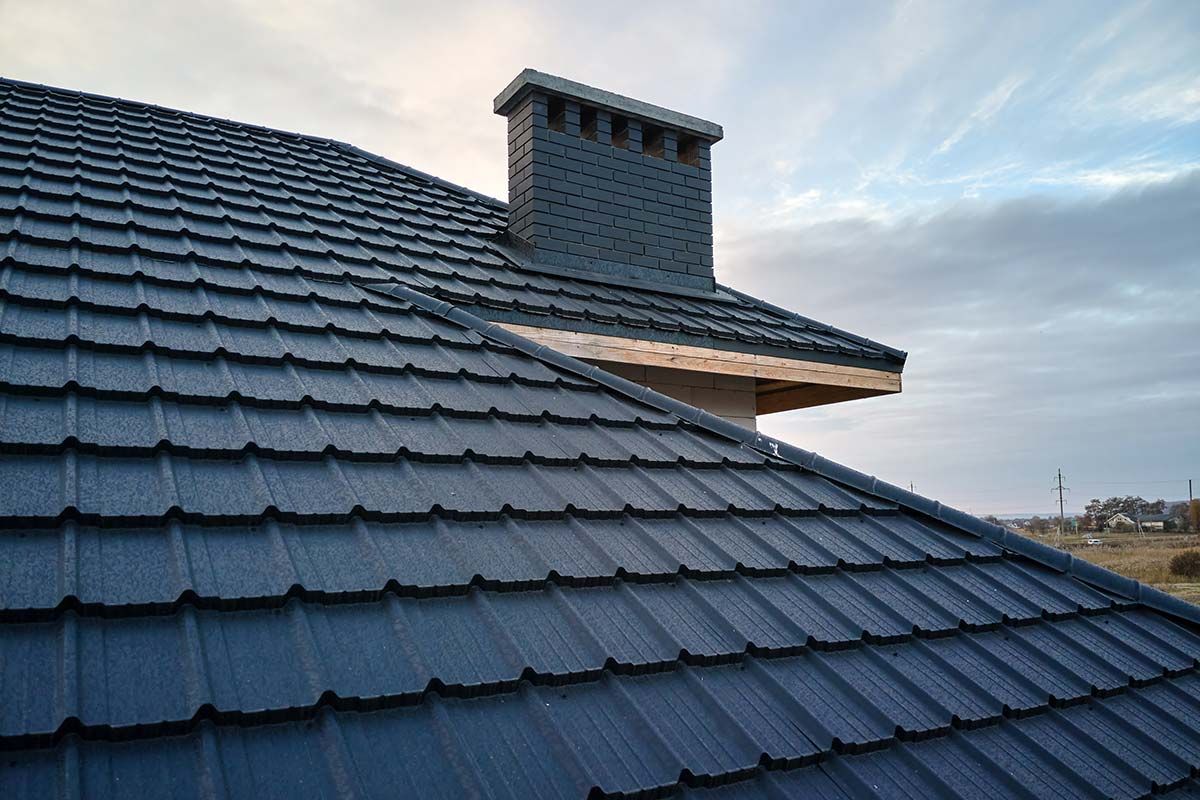
A metal shingle roof is a metal roof that goes on in small pieces, not long panels. The shingles overlap as they’re installed, and many systems are made to lock together so the surface stays tight in …

Winter in the Verde Valley isn’t “snow country,” but it’s also not Phoenix. We get cold nights, the occasional dusting, and quick weather swings. Sedona sits up around 4,500–4,800 feet, so freeze-thaw…
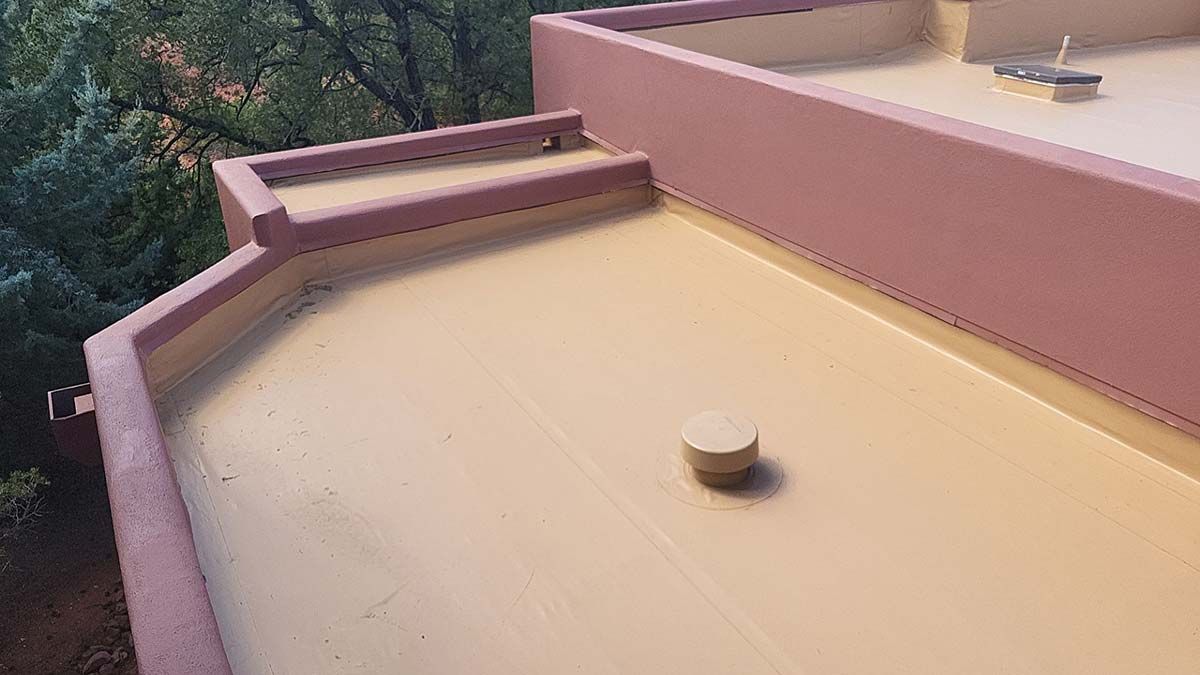
Flat roofs do well in Arizona, but winter is when small drainage issues turn into real headaches. It is rarely one big event. It is usually a slow backup at a scupper. A drain that runs fine until lea…
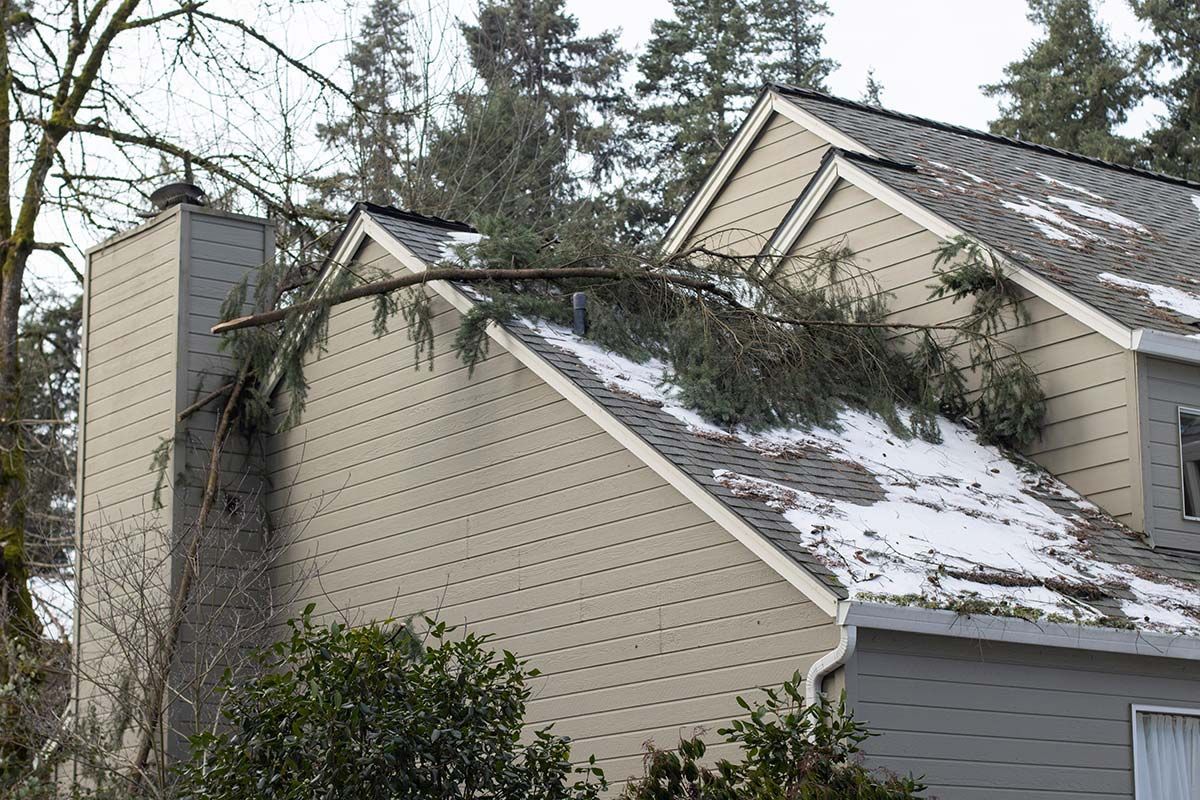
Winter roof preparation: roof maintenance, gutter repair, shingle check and leak prevention for Arizona homes ready for the winter months.
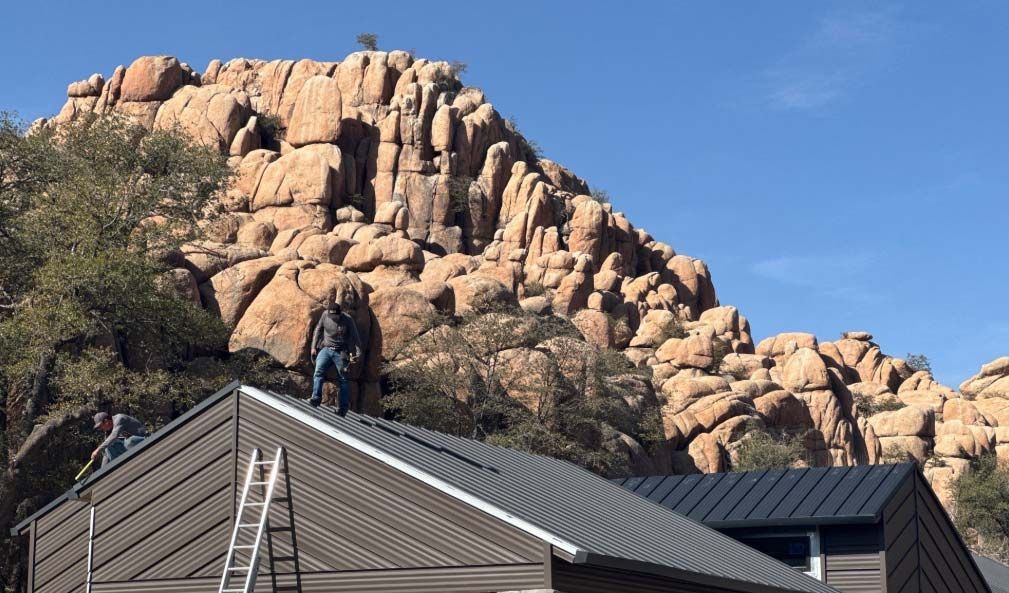
Fall roof maintenance tips for Cottonwood, Arizona homeowners—inspect, clean, and prepare your roof before winter rain and cold set in.
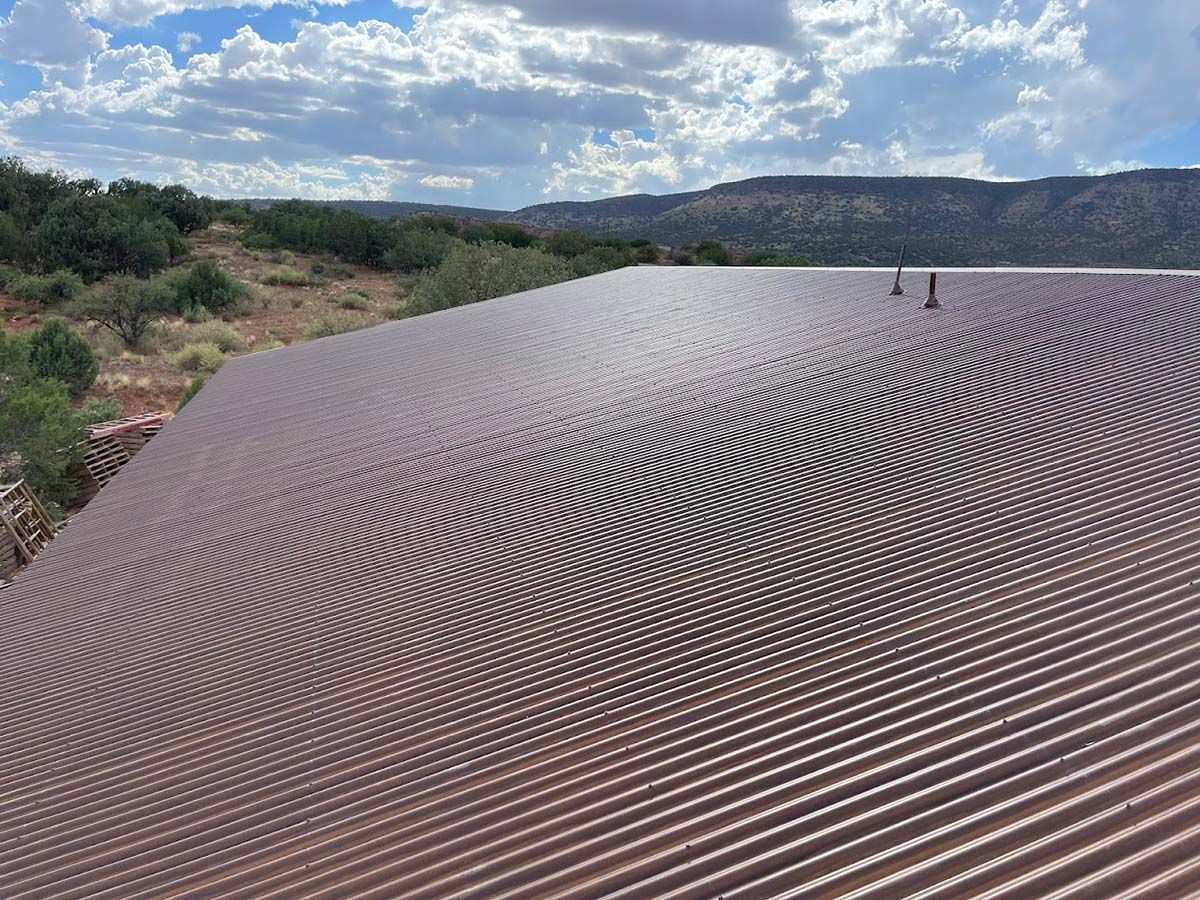
Discover how metal roofs handle Arizona’s extreme heat, monsoons, and hail. Learn why metal roofing is the best choice for homes in Sedona, Prescott, and Cottonwood.
Get your roof ready for autumn in Cottonwood with these expert fall roofing tips. Learn about inspections, debris clearing, attic ventilation, and more!
Wondering if a metal roof is worth it? Compare metal roofs vs. asphalt shingles for Arizona homes, including costs, durability, energy efficiency, and maintenance.