
Top Roofing Materials for Your Home: Pros, Cons, and Comparisons
July 6, 2023
Key Takeaway:
- Factors to consider when choosing roofing materials: Appearance, longevity, material price, and structural issues. Depending on your climate, certain materials may be more appropriate than others.
- Types of roofing materials: Rolled, built-up, membrane, asphalt composite shingles, standing seam metal, metal shingles/shakes, wood shingles/shakes, clay tile, concrete tile, slate shingles, synthetic (rubber) slate tile, and living roof. Each material has its own pros and cons and should be carefully evaluated before making a decision.
- Roof replacement costs: Main factors include size and slope of the roof, materials used, and labor costs. On average, homeowners in the United States can expect to pay around $7,500 to replace their roof.
Introduction
Roofing Material Options for Your Home - What You Need to Know
- Asphalt composite shingles ,
- Metal shingles ,
- Wood shakes ,
- Clay tile ,
- Concrete tile , and
- Slate shingles .
longevity, roofing material prices, and structural issues
rolled roofing, built-up roofing, membrane roofing,
standing seam metal roofing
synthetic slate tile, living roof,
moss
waterproof membrane and drainage

Factors to Consider In Choosing Roofing Materials
- Environmental factors - Consider factors such as your location, climate, and the website's house’s surrounding environment. Extreme weather conditions could determine the type of roofing materials required to protect your home optimally.
- Costs and budget - Consider your budget and how much you’re willing to spend on roofing materials. Some materials are costly and might require additional installation expenditure. Consider long-term savings and the lifespan of a particular material.
- Maintenance - Some materials require little maintenance, while others require frequent checkups and repairs. Consider materials that require minimal maintenance if you have a busy schedule or aren’t the DIY kind of person.
- Aesthetics - The roofing material affects the overall beauty and value of your house. Choose a roofing material that complements your house’s architectural style and enhances your home’s curb appeal.
durability, insulation, ventilation, and structural requirements
Appearance
neoprene, EPDM, PVC, chlorinated polyethylene, chlorosulfonated polyethylene sheets, polymer-modified bitumens, and green roof options
architectural style, color scheme enhances its curb appeal
A flat roof appears sleek with rubber roofing membranes or thermoplastic olefin (TPO)
, whereas metal roofing gives rustic charm
to residential properties.
Pro Tip: Selecting affordable yet visually pleasing elements creates value-added allure to your home.
Longevity
Durability of Roofing Materials: The Key to a Long-Lasting Roof
asphalt shingles
20 to 25 years
Metal roofs
can last up to 50 years or more
Clay tiles
can last up to 100 years or more
wood shingles and shakes
slate tiles
rubber tiles
Material Price
| Roof Material | Average Cost per Square Foot |
|---|---|
| Asphalt shingles | $1-$4 |
| Metal Roofing | $5-$12 |
| Clay Tiles | $7-$10 |
| Concrete Tiles | $6-$8 |
asphalt shingle
Structural Issues
structural integrity of your home
slate or ceramic tiles
asphalt shingles
consult with experts who can evaluate your home's condition and recommend appropriate roofing material options
their local climate when selecting roof covering materials
rotting and deterioration of the wooden material within 15 years
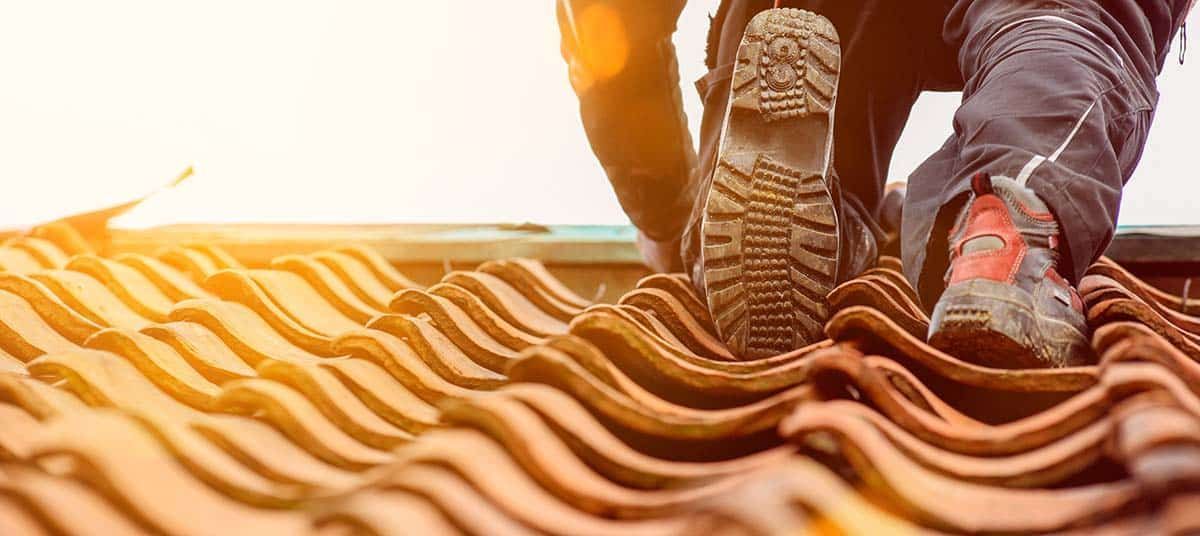
Roof Replacement Costs
size of the roof, type of material, and complexity of the job
asphalt, metal, wood shake, tile, slate, and flat roofs
durability, maintenance, and installation cost
Main Factors
table
| Roofing Material | Pros | Cons | Comparisons |
|---|---|---|---|
| Asphalt Shingles | Affordable and easy to install | Not durable enough for severe weather conditions | Most common type used by homeowners |
| Metal | Durable over time, cost-effective in the long-term | More expensive than other materials | Suitable for commercial or residential buildings |
| Clay Tiles | Provides aesthetic appeal to your home | Heavy and requires significant skill during installation | Higher cost compared to asphalt shingles |
metal roofing can be initially costly, its durability makes it economical
Simple acts like regular cleaning or repair works prevent further damage to your roofing system hence reducing costs
National Average Cost
Asphalt shingles
Metal roofs
metal is arguably more cost-effective in the long run due to its longevity and resistance to weather damage
Slate tiles
Tile roofs can offer various architectural styles; however, they require more maintenance over time compared to other materials due to their fragility when walked-on during repairs or installations.
"HomeGuide"
70%-80% of the initial costs investment returns
Types of Roofing Materials
Roofing Material Options for Your Home: Pros, Cons, and Comparisons
slate may not be the optimal choice in regions with high precipitation, as it can absorb water and become heavy
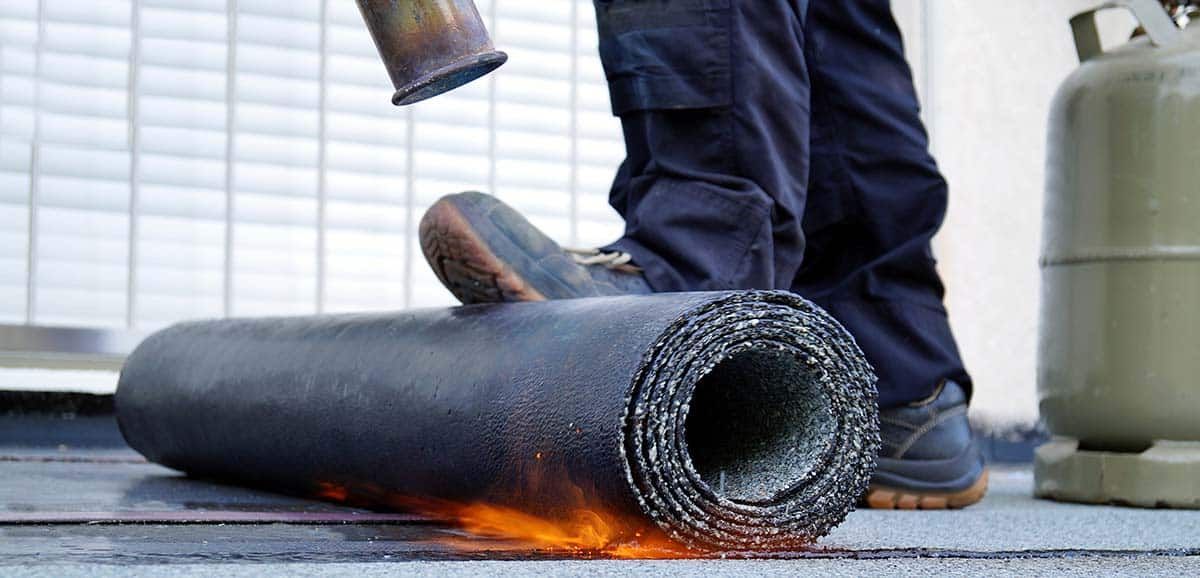
Rolled Roofing
Pros:
- Very affordable
- Easy to install
- Durable for low sloped roofs
Cons:
- Not suitable for high sloped roofs
- Short lifespan compared to other options
Home Depot
Source: Home Depot
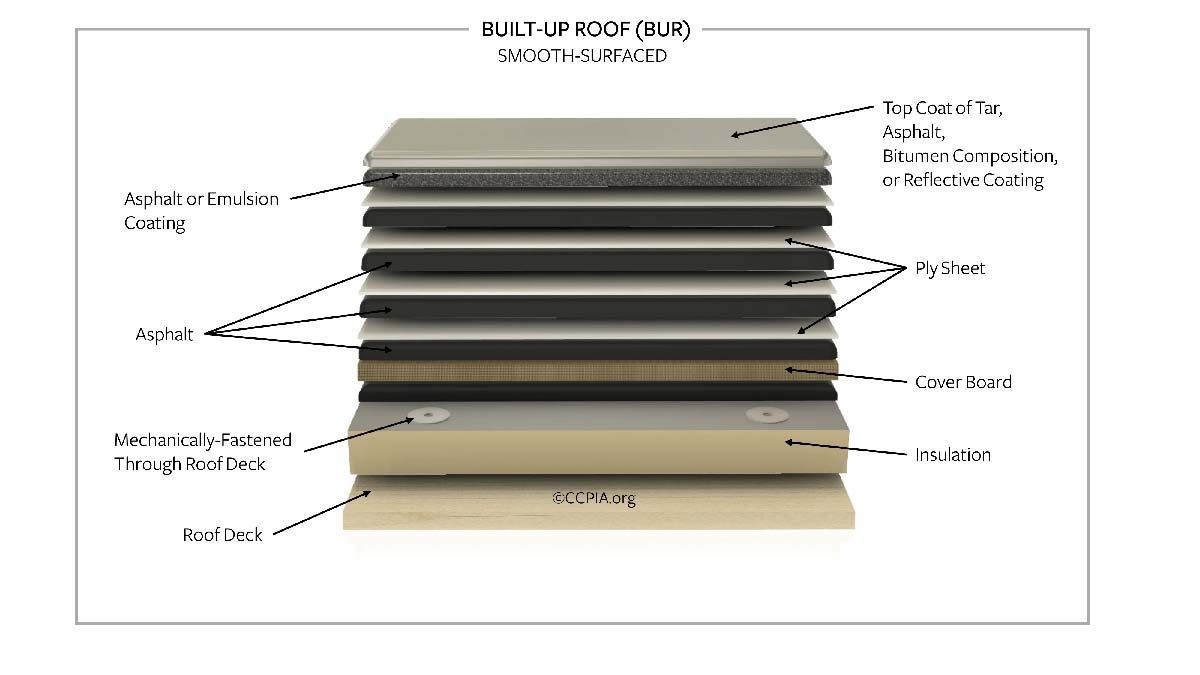
Built-Up Roofing (BUR)
BUR
BUR
BUR
durability and protection against fire, punctures, and UV rays
excellent insulation and soundproofing, reducing energy costs
BUR
labor-intensive and time-consuming
relatively heavy compared to other modern roofing systems like single-ply membranes
green roof
Pro Tip:
BUR
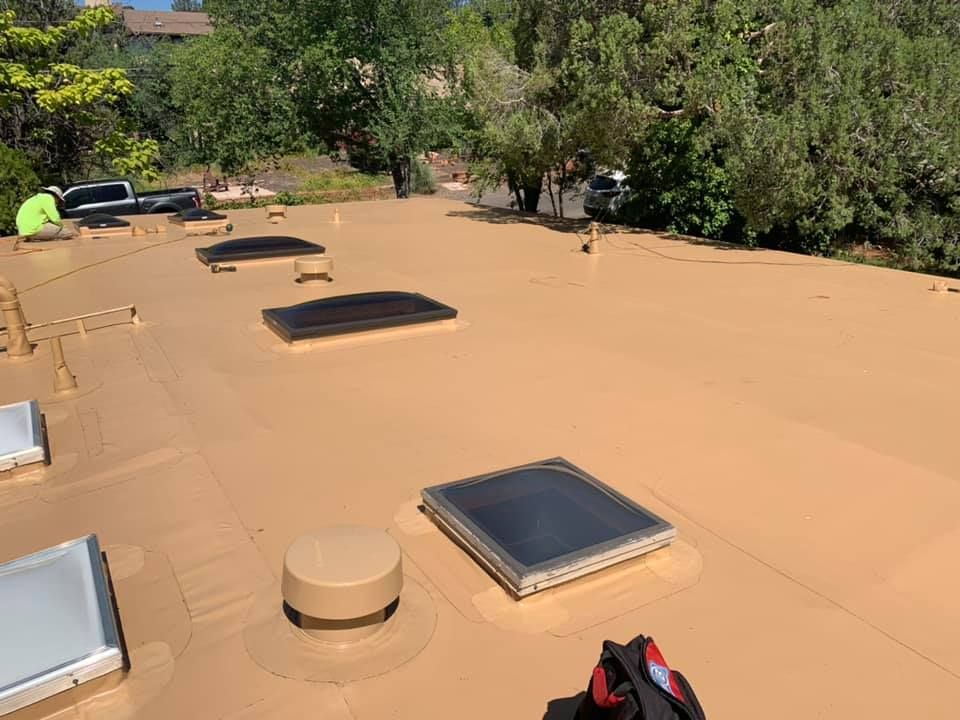
Membrane Roofing
Roofing Membranes
lightweight, flexible materials
EPDM (ethylene propylene diene monomer)
extreme temperature changes without cracking or becoming brittle.
TPO (thermoplastic olefin)
Pro Tip:
energy efficiency properties as well as its durability against harsh weather conditions
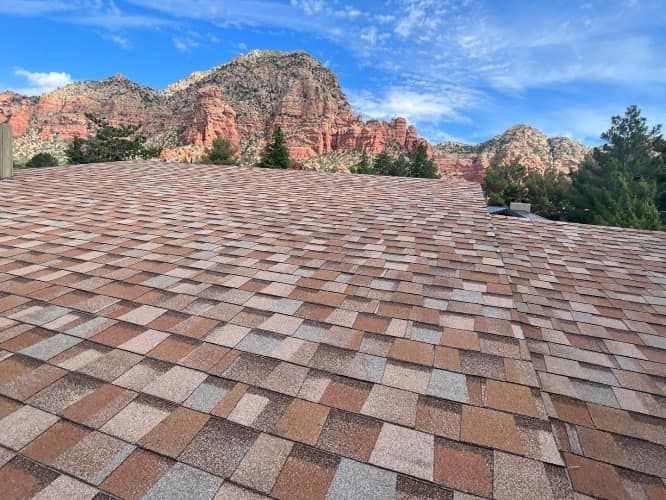
Asphalt Composite Shingles
Asphalt Composite Shingles
- Cost-effective compared to other roofing materials
- Easy to install, repair, and replace
- Durable and long-lasting, with a lifespan of 15-30 years depending on the quality
- Relatively lightweight, making it ideal for most roof structures
- Effective in resisting fire and wind damage
- Their appearance can mimic other materials such as wood or tile
commercial buildings

Standing Seam Metal Roofing
Standing seam metal roofing
durability and strength
fire-resistant, energy-efficient, and low-maintenance
durable performance and exceptional curb appeal for decades to come
Don't miss out on the incredible benefits of standing seam metal roofing
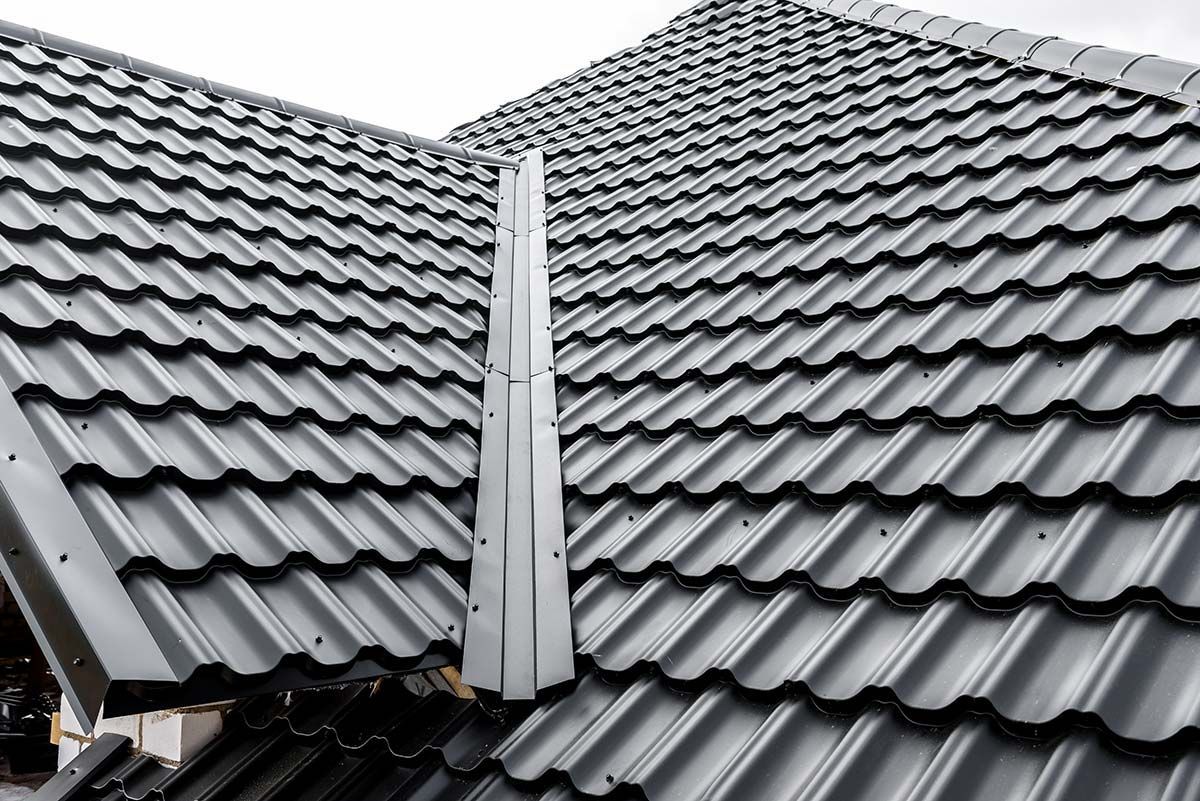
Metal Shingles/Shakes
- Metal shingles/shakes offer a sleek and modern appearance, allowing for versatile designs.
- These materials are resistant to extreme weather conditions, such as hail and high winds.
- Metal options have high durability, with a lifespan of up to 50 years.
- Metal shingles/shakes also have eco-friendly qualities, as most are made from recycled materials and can be recycled again at the end of life.
- Installation costs tend to be higher than other roofing materials.
Notably, the lightweight nature of metal shingle roofs means they can often be installed over existing shingle roofs without the need for additional structural reinforcement.
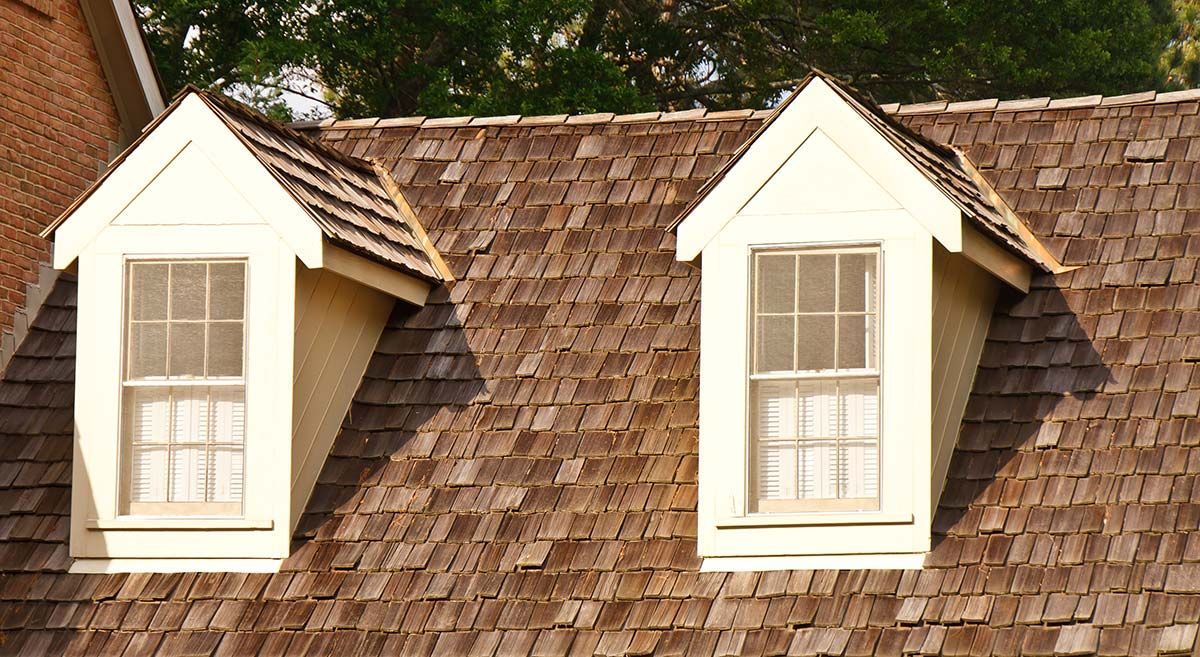
Wood Shingles/Shakes
- Appearance : Wood shingles/shakes have a natural and rustic look that adds charm to any home.
- Durability : They are typically made of cedar, redwood or pine treated with chemicals that make them fire-resistant and termite-proof .
- Energy efficiency : The insulating properties of wood shingles/shakes reduce heat transfer, keeping homes cooler during summer and warmer in the winter months.
- Maintenance : Regular maintenance is necessary to prevent rotting, mold growth and potential insect infestations.
- Cost : Wood shingles/shakes tend to be a more expensive roofing option compared to asphalt or metal roofs.
- Lifespan : With proper maintenance, a well-installed wood roof can last up to 30 years.
cedar is commonly used for wood shakes/shingles due to its weather resistance qualities, it tends to darken over time
Pro Tip:
linseed oil or copper naphthenate
Another Pro Tip:
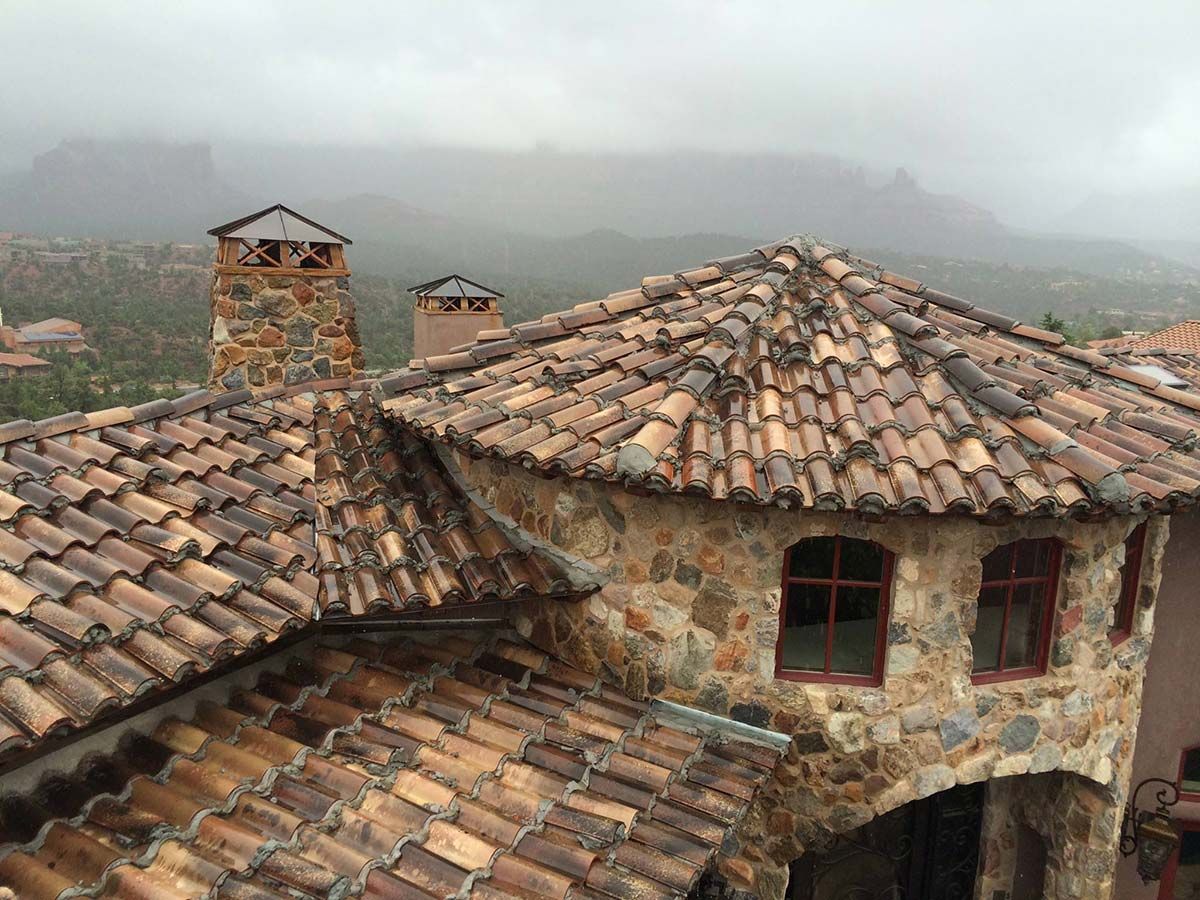
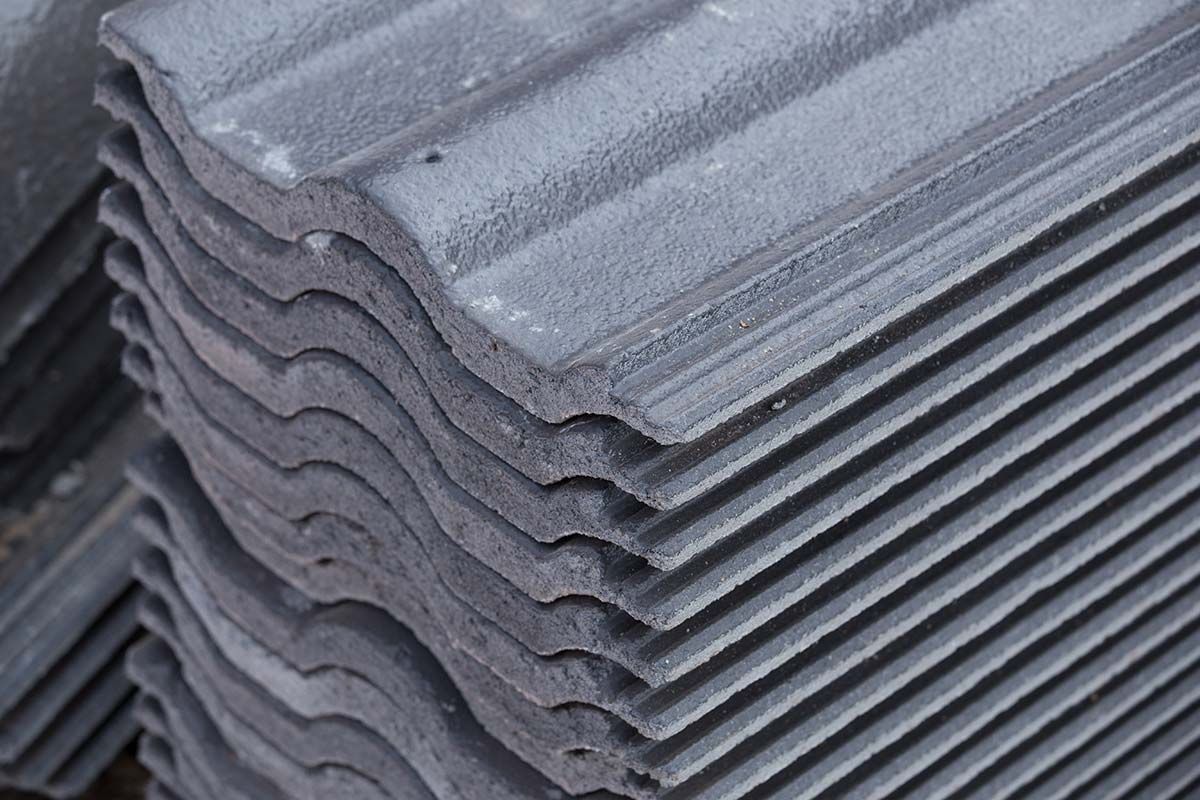
Clay Tile
Clay Tile
| Advantages | Disadvantages |
|---|---|
| Durable, can last over 100 years. | Poor insulation so adding insulation might raise costs. |
| Natural materials used in manufacture. | Clay is heavy thus requires stiff structural support. |
| Large varieties in colors and styles. | Maintenance can get expensive over time if neglected. |
attic is adequately ventilated
poor insulators
Concrete Tile
durability and versatility
average cost of $250-$450 per 100 square feet
fire-resistant
| Pros | Cons |
|---|---|
| Long-lasting | Can be heavy |
| Energy-efficient | Requires professional installation |
| Fire-resistant | Can crack or break under extreme weather |
| Variety of designs | Costlier than asphalt shingles |
| Durable against moisture and insects | Difficult to walk on for repair/maintenance |
durability and versatility
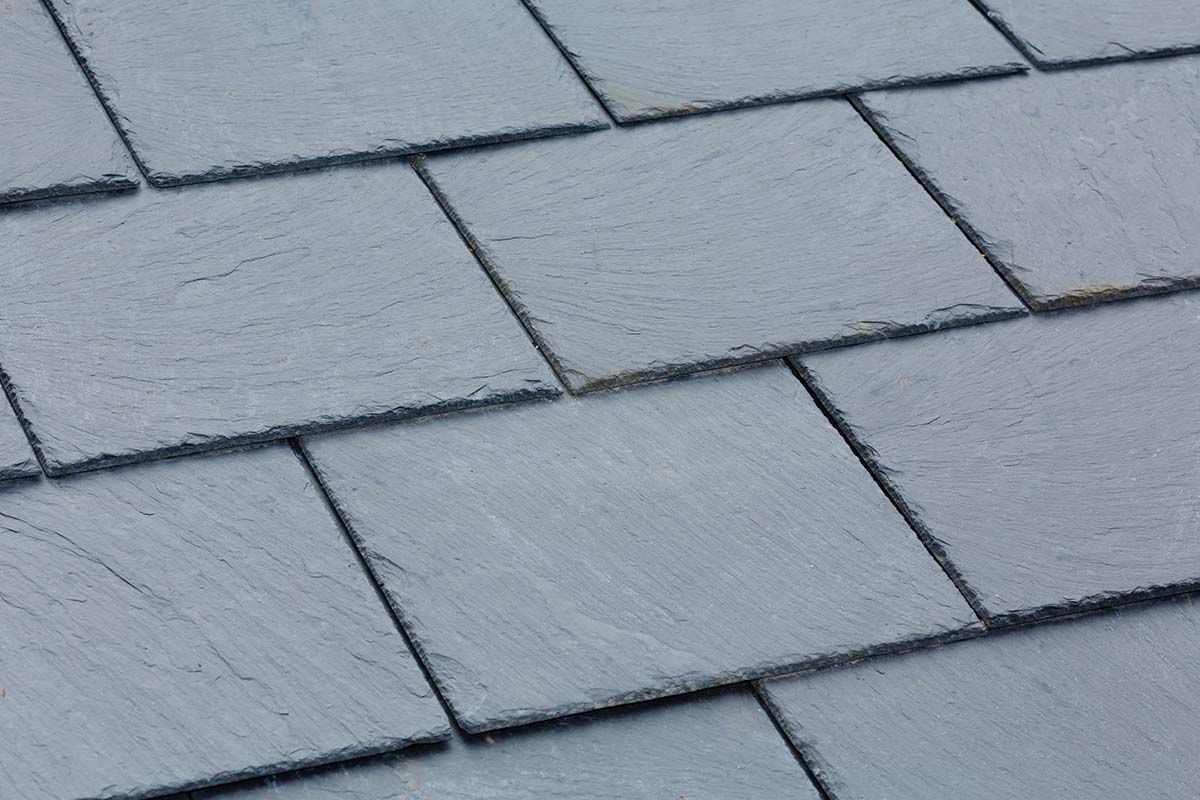
Slate Shingles
Slate Roofing Material
Slate Shingles:
| Feature | Description |
|---|---|
| Lifespan | 100+ years |
| Fire Rating | Class A |
| Weatherproof | Highly resistant to extreme weather conditions, such as heavy rains and snowstorms |
| Maintenance | Low maintenance, with only occasional inspections and cleaning necessary |
| Energy | Excellent insulation capabilities, ideal for keeping a home warm in cold climates |
exceptional weather resistance
Synthetic (Rubber) Slate Tile
Synthetic Slate Tile
aesthetic appeal as natural slate
Synthetic Slate Tile is made from recycled materials
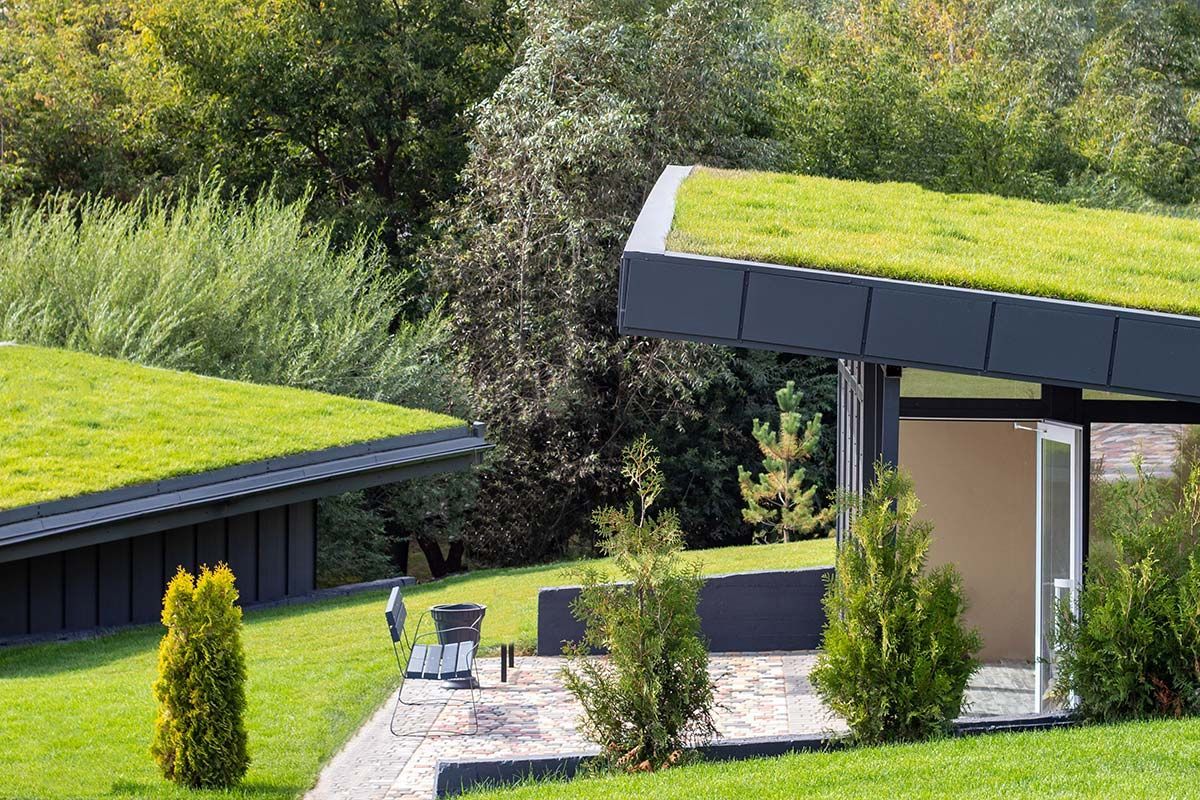
Living Roof
'Green Roof'
sedums
Green Roofs
urban heat island effects
evapotranspiration of the vegetation
Pro Tip:
Conclusion
durability, cost, sustainability, and aesthetics
weather conditions in your area, and the expertise of your roofing contractor
durability and safety
crucial to seek professional advice
Some Facts About Top Roofing Material Options for Your Home: Pros, Cons, and Comparisons:
- ✅ Asphalt shingles are the most commonly used roofing material in the United States. (Source: The Spruce)
- ✅ Metal roofs are durable, energy-efficient, and can last up to 50 years. (Source: HGTV)
- ✅ Clay and concrete tiles are long-lasting, fire-resistant, and come in a variety of colors and styles. (Source: This Old House)
- ✅ Wood shakes and shingles have a natural look and insulating properties, but require more maintenance and are prone to fire damage. (Source: Bob Vila)
- ✅ Slate roofs have a high-end look, exceptional durability, and can last up to 100 years, but are costly and require specialized installation. (Source: Angie's List)
FAQs about Top Roofing Material Options For Your Home: Pros, Cons, And Comparisons
What are the top roofing material options for my home?
What are the pros and cons of asphalt shingles?
What are the pros and cons of metal roofing?
What are the pros and cons of clay tile roofing?
What are the pros and cons of slate roofing?
What are the pros and cons of wood shake roofing?
Sedona New Year roof checkup: quick signs to spot, what to notice inside, and when to book a professional roof inspection.

Holiday weather has a way of showing up at the worst time. People are traveling. Family is in town. The house is busy. And if your roof has a weak spot, that’s when you notice it. Most winter roof lea…
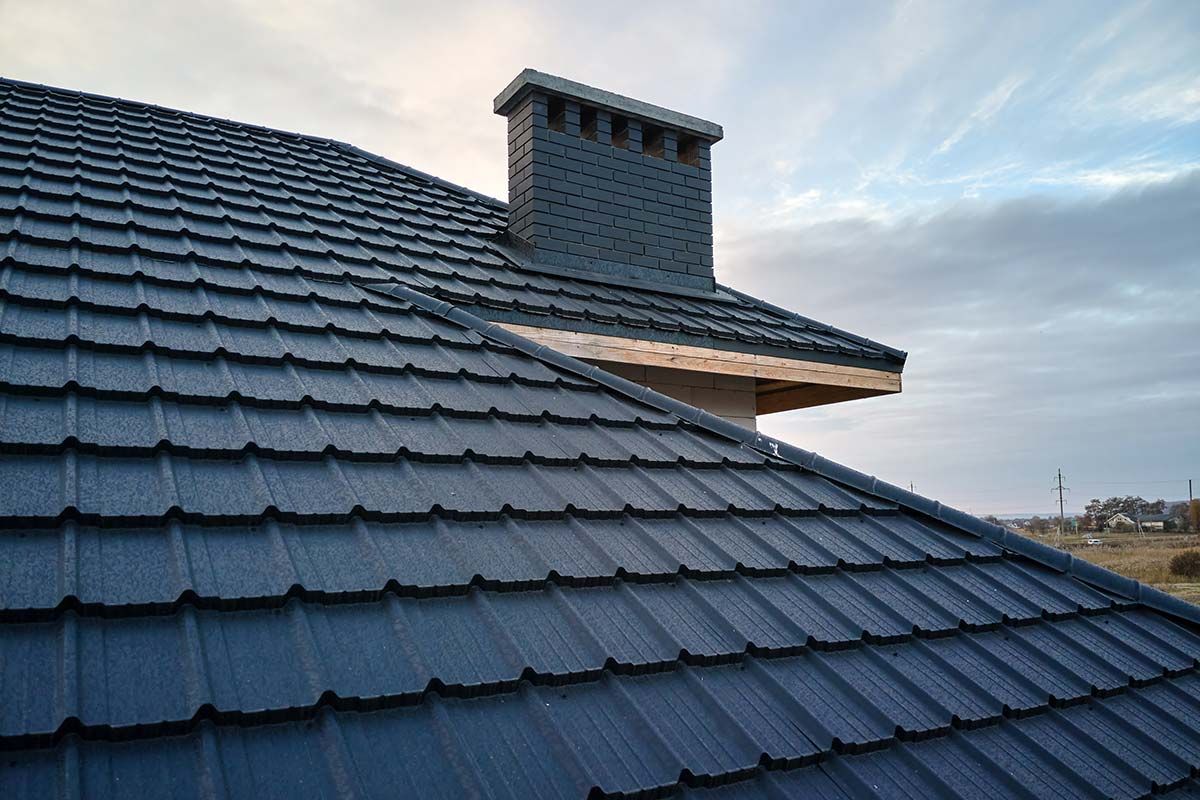
A metal shingle roof is a metal roof that goes on in small pieces, not long panels. The shingles overlap as they’re installed, and many systems are made to lock together so the surface stays tight in …

Winter in the Verde Valley isn’t “snow country,” but it’s also not Phoenix. We get cold nights, the occasional dusting, and quick weather swings. Sedona sits up around 4,500–4,800 feet, so freeze-thaw…
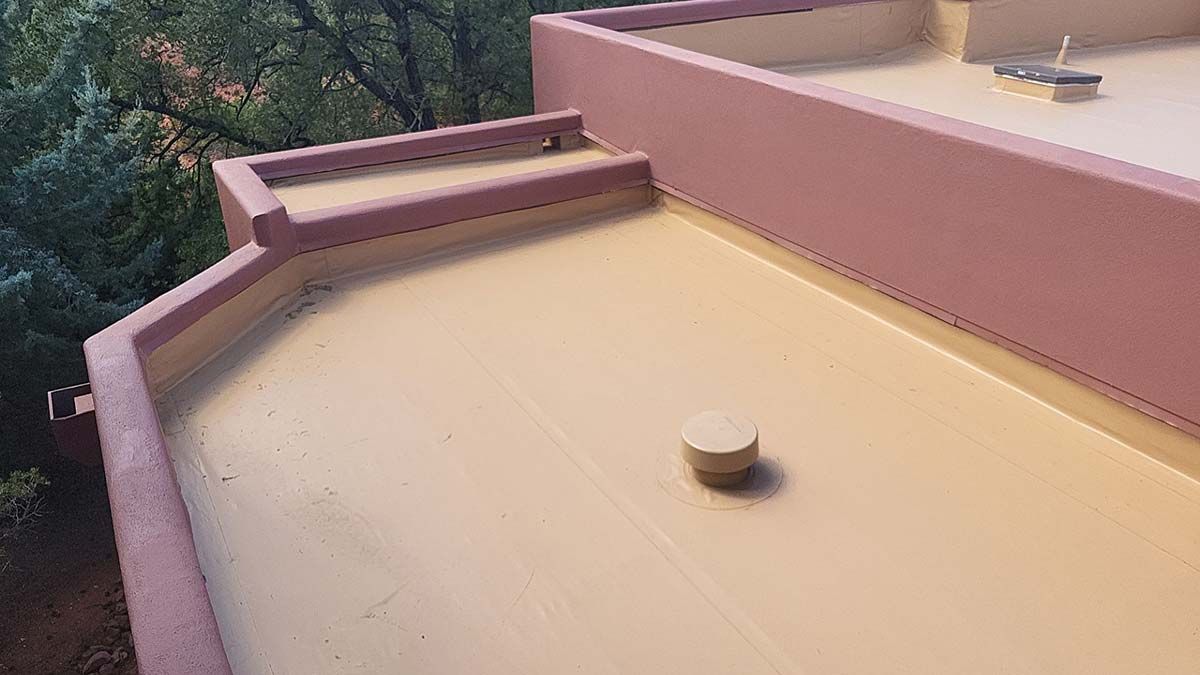
Flat roofs do well in Arizona, but winter is when small drainage issues turn into real headaches. It is rarely one big event. It is usually a slow backup at a scupper. A drain that runs fine until lea…
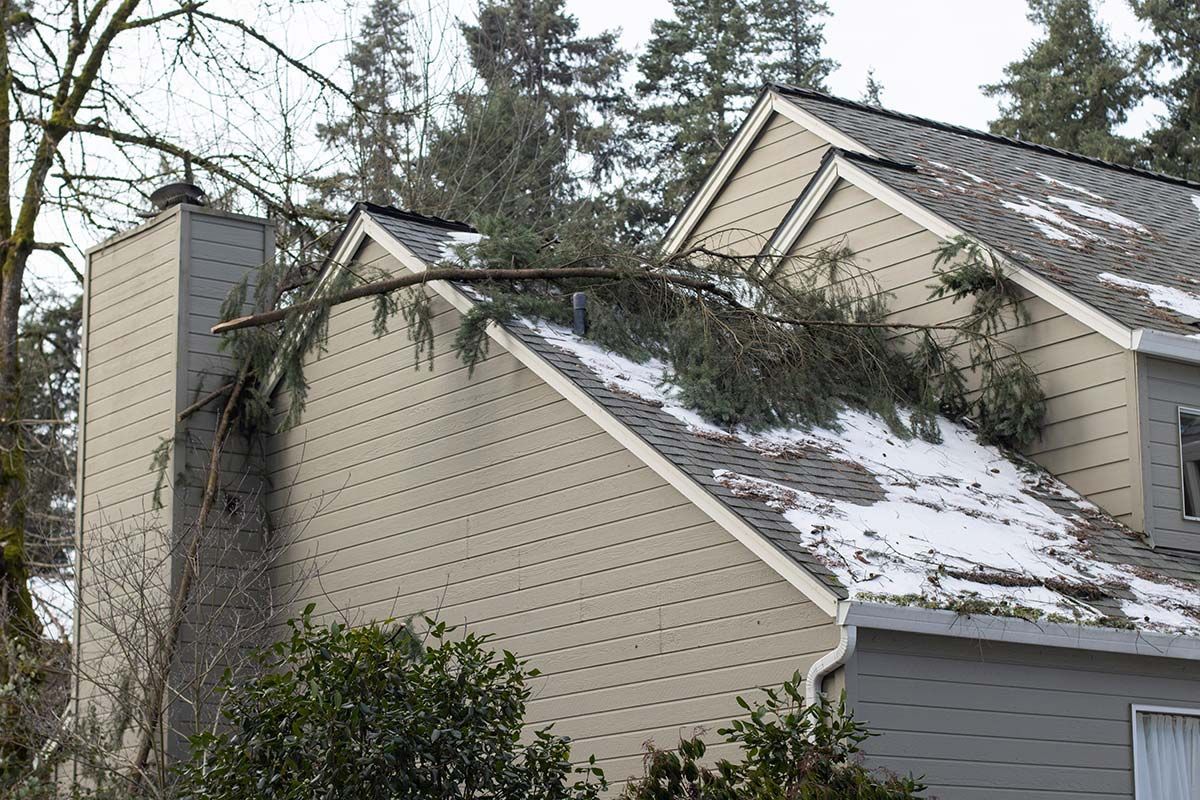
Winter roof preparation: roof maintenance, gutter repair, shingle check and leak prevention for Arizona homes ready for the winter months.
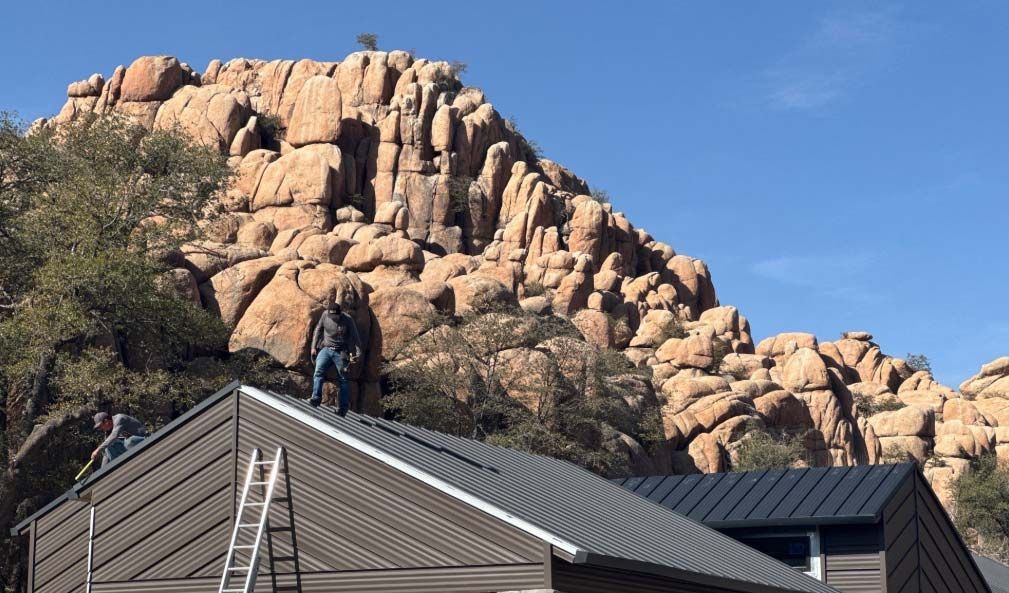
Fall roof maintenance tips for Cottonwood, Arizona homeowners—inspect, clean, and prepare your roof before winter rain and cold set in.
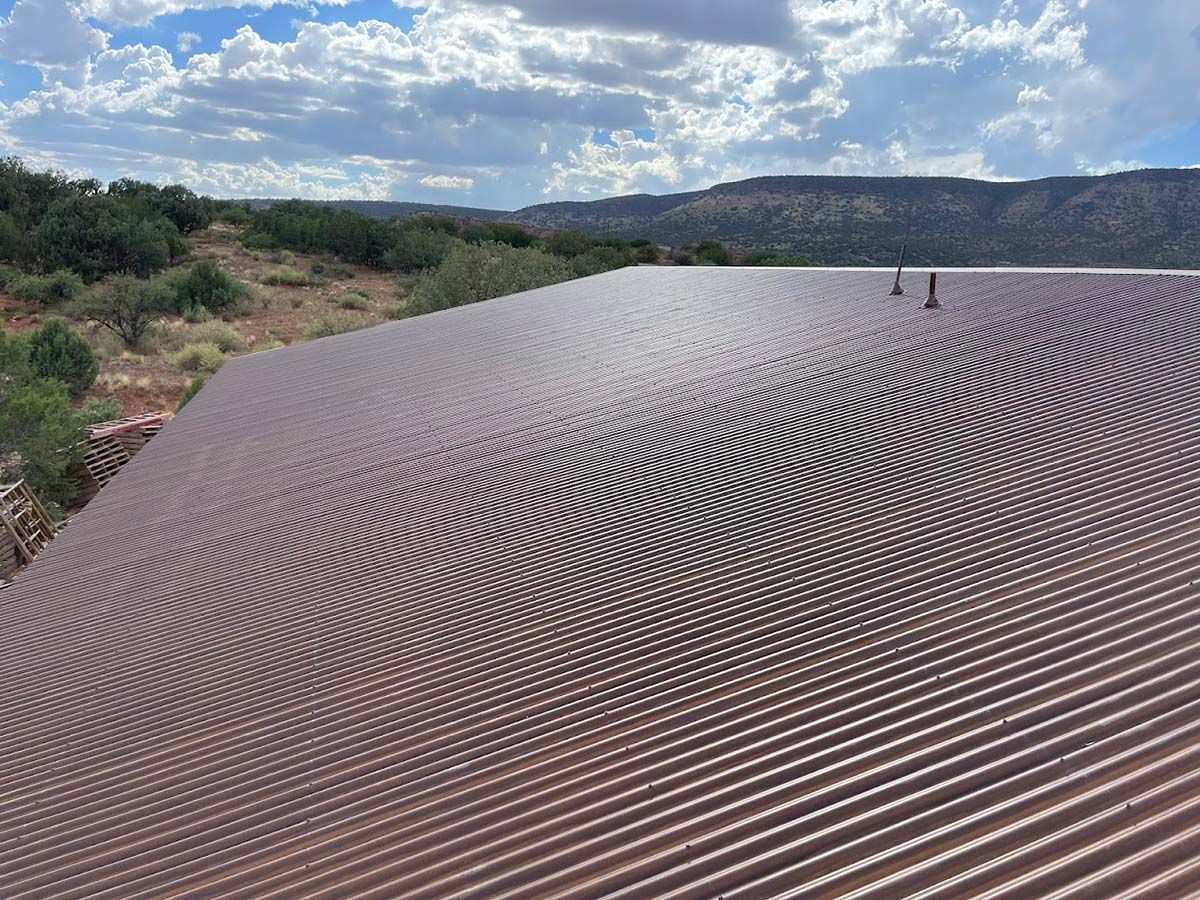
Discover how metal roofs handle Arizona’s extreme heat, monsoons, and hail. Learn why metal roofing is the best choice for homes in Sedona, Prescott, and Cottonwood.
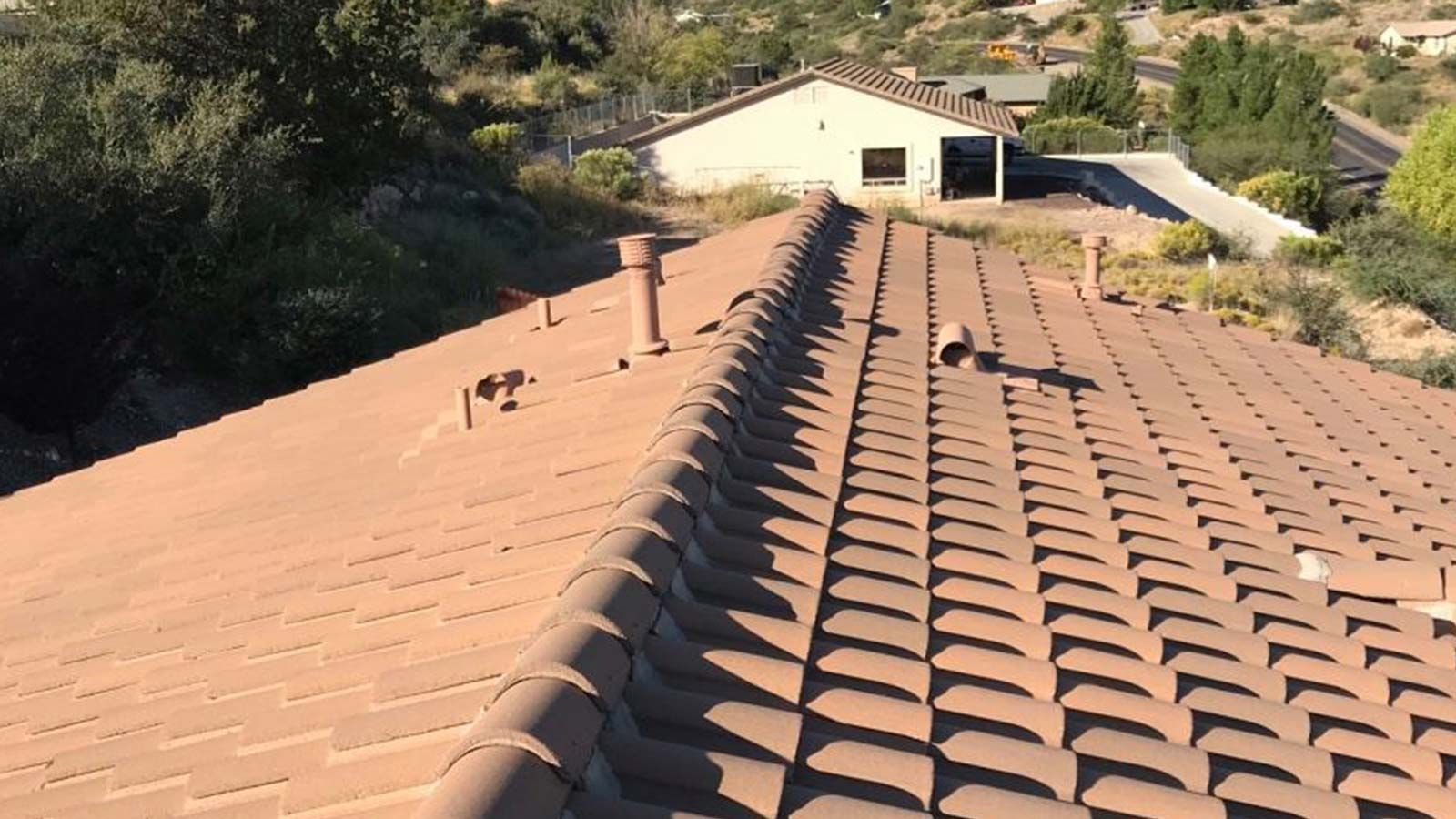
Get your roof ready for autumn in Cottonwood with these expert fall roofing tips. Learn about inspections, debris clearing, attic ventilation, and more!
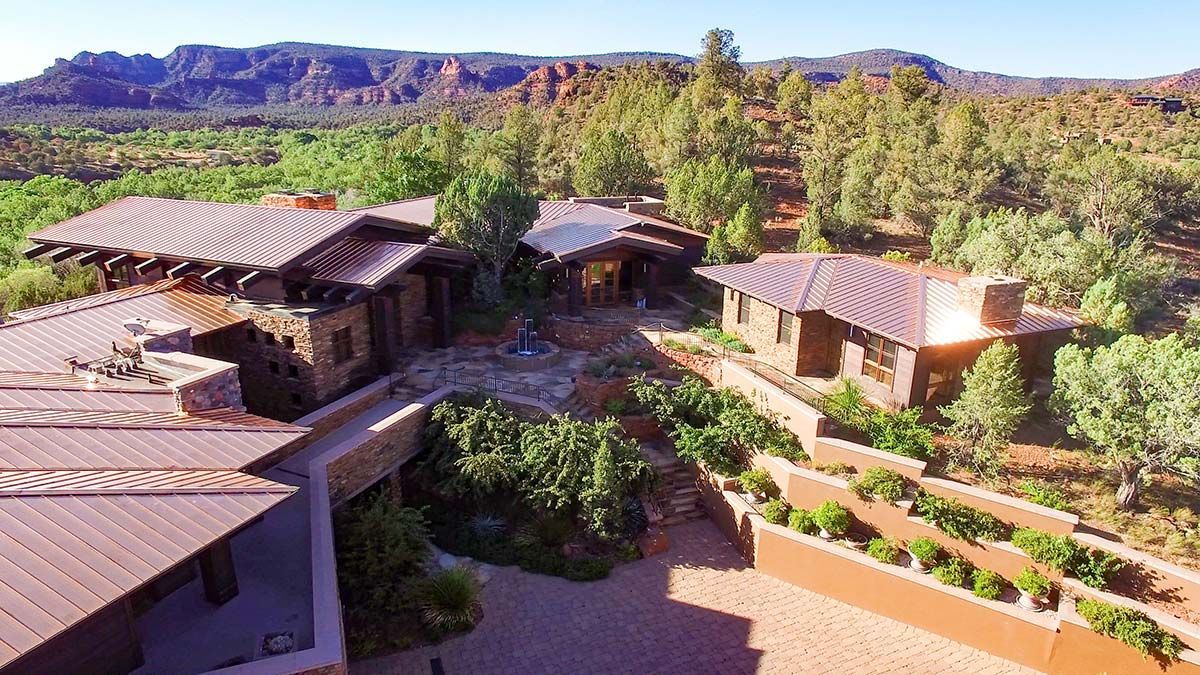
Wondering if a metal roof is worth it? Compare metal roofs vs. asphalt shingles for Arizona homes, including costs, durability, energy efficiency, and maintenance.