Homeowner's Guide to the Types of Roof Underlayment
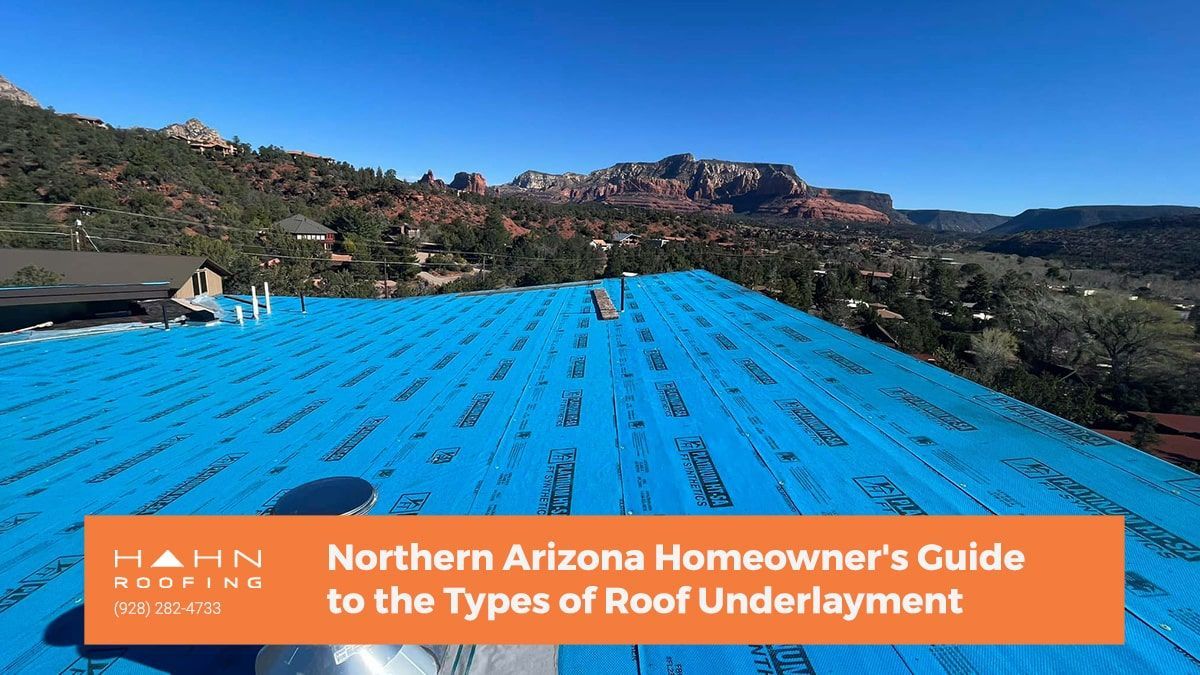
Northern Arizona Homeowner's Guide to the Types of Roof Underlayment
Hey there, Northern Arizona homeowner! Whether you're nestled among Sedona's red rocks or enjoying Prescott's pine-scented breezes, your roof is your home's first line of defense against our unique climate. But have you ever wondered about the unsung hero hiding beneath those shingles? That's right, we're talking about roof underlayment!
If you're scratching your head wondering, "Roof under-what-now?", don't worry! You've come to the right place. In this guide, we'll uncover the secrets of roof underlayment, exploring its importance from Sedona to Prescott and beyond. So, grab a cool drink (you'll need it in our Arizona heat!), and let's dive into the world of roof protection!
What is Roof Underlayment? Your Roof's Best Friend
Why is Roof Underlayment Important in Northern Arizona?
- Sun Protection: It helps protect the roof longer from the intense UV rays that beat down on us, especially during those scorching summer months.
- Water Resistance: When those monsoon rains hit, your underlayment acts as a second line of defense against water infiltration.
- Temperature Regulation: A good underlayment provides insulation, helping regulate the temperature in your attic and potentially reducing your energy bills.
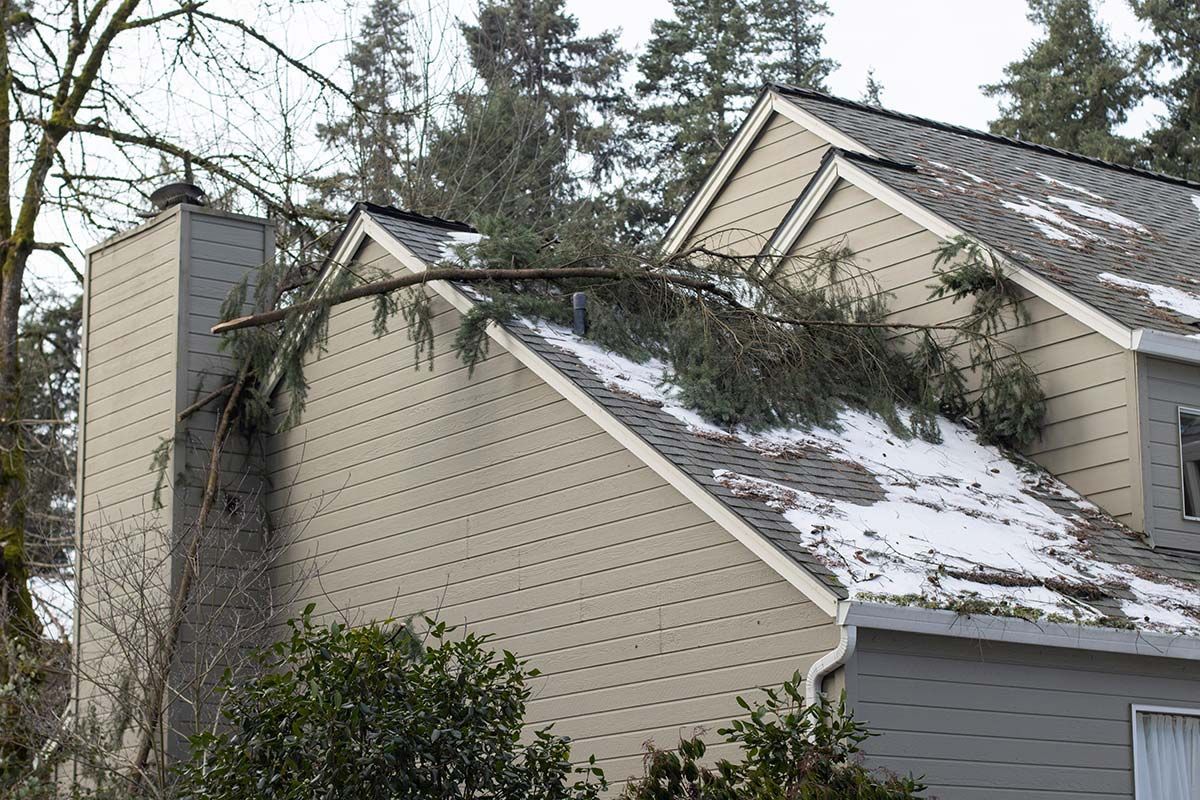
- Ice Dam Prevention: For our Prescott friends and those in higher elevations, underlayment may help prevent ice dams during those chilly winter months.
Types of Roof Underlayment
Asphalt-Saturated Felt: The Time-Tested Classic
- Composition: Made from a combination of asphalt and either polyester or natural plant fibers.
- Varieties: Comes in two main types - #15 felt and #30 felt. The #30 is thicker and provides more protection.
- Benefits: Excellent water resistance and relatively inexpensive.
- Considerations: Can become brittle in extreme heat (hello, Arizona summers!) and may absorb moisture over time.
Synthetic Roof Underlayment: The Modern Marvel
- Composition: Made from long-lasting polymers like polyethylene or polypropylene.
- Benefits: Extremely durable, resistant to tears, and can withstand our intense UV exposure.
- Moisture Resistance: Highly water-resistant, making it an excellent choice for our monsoon season.
- Temperature Performance: Performs well in both high and low temperatures, perfect for our varied Northern Arizona climate.
Rubberized Asphalt Underlayment: The Waterproof Wonder
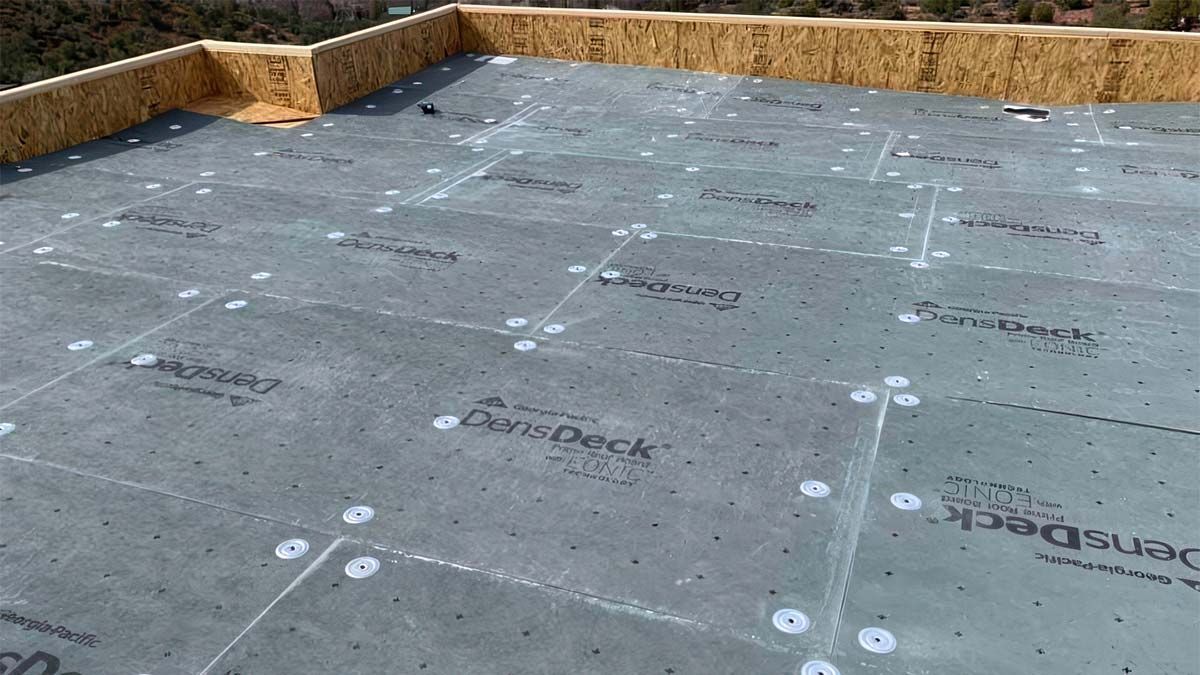
- Composition: A blend of asphalt and rubber polymers, often with a sticky backing.
- Benefits: Creates a watertight seal around nails and other roof penetrations.
- Ice Dam Protection: Excellent for preventing ice dams in areas that see snow and freezing temperatures.
- Heat Resistance: Can withstand high temperatures, making it suitable for our scorching summers.
Non-Bitumen Synthetic Underlayment: The Lightweight Champion
- Composition: Made from advanced polymers without any bitumen (asphalt) content.
- Benefits: Extremely lightweight, making it easier to install across the entire roof.
- Durability: Highly resistant to tears and UV damage, perfect for our sunny climate.
- Versatility: Works well with various types of roofing materials common in our area.
Choosing the Right Roof Underlayment: A Northern Arizona Homeowner's Decision Guide
Picking the perfect underlayment for your Northern Arizona home isn't just about eeny, meeny, miny, moe. It's about understanding your roof's needs as carefully as you'd plan a hike through Sedona's red rocks or a day trip to Prescott's Whiskey Row. Here are the factors to consider:
Climate: Because Mother Nature Likes to Keep Us on Our Toes
- Heat Resistance : Look for underlayment that can stand up to our scorching summer sun without degrading.
- Cold Weather Performance : If you're in higher elevations like Prescott, consider an ice barrier underlayment for added protection against ice dams.
- Moisture Management : While we're not exactly known for rain, those monsoon seasons can pack a punch. A water-resistant underlayment is crucial.
Roof Material: Because Your Shingles Need a Compatible Dance Partner
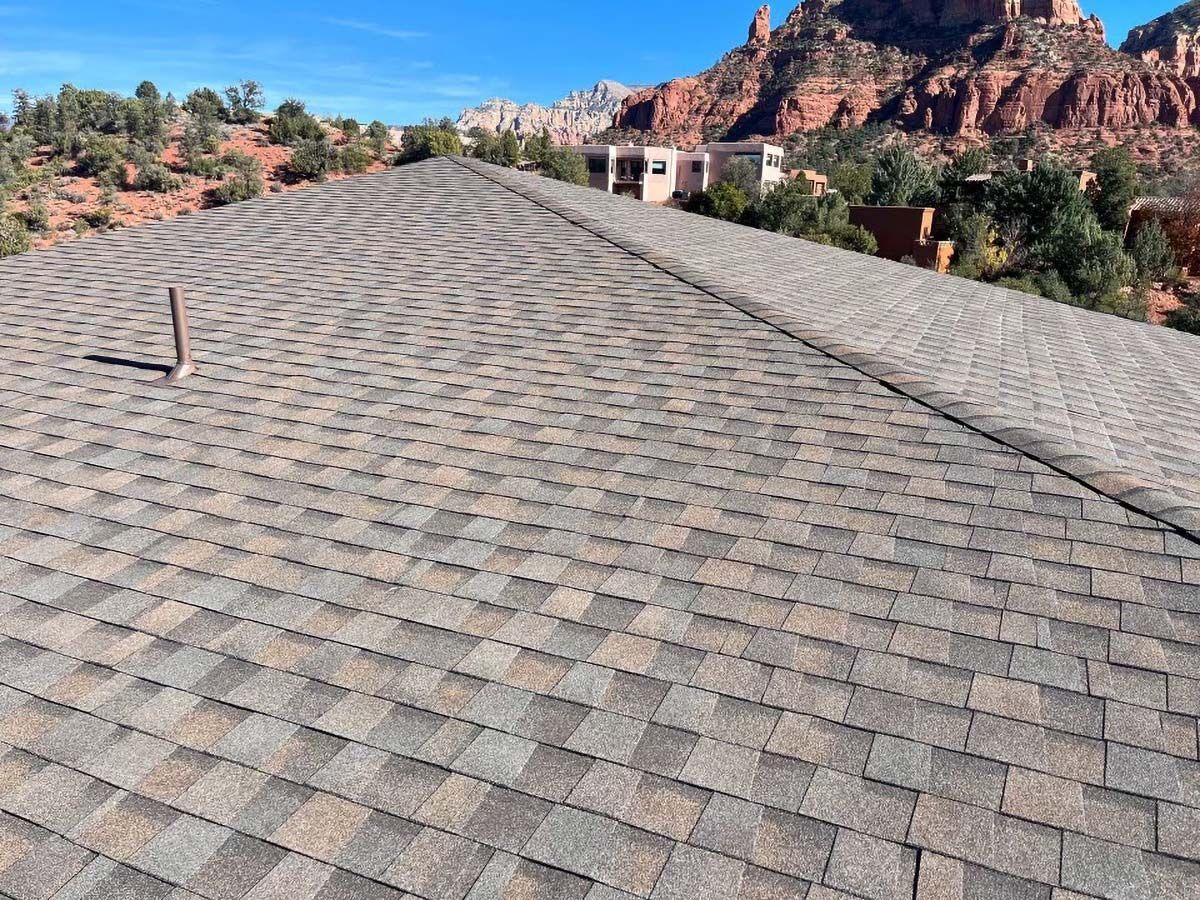
- Asphalt shingles : Asphalt roofing works well with most underlayment types, from traditional felt to synthetic options.
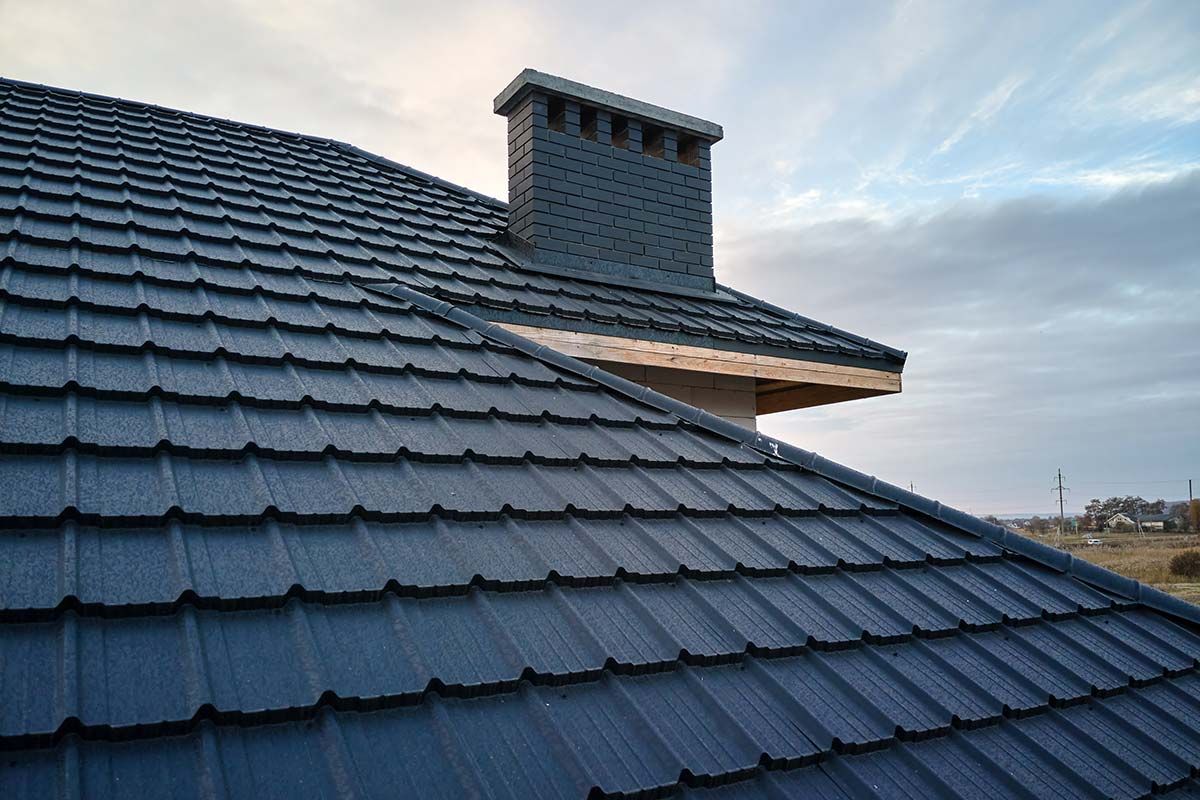
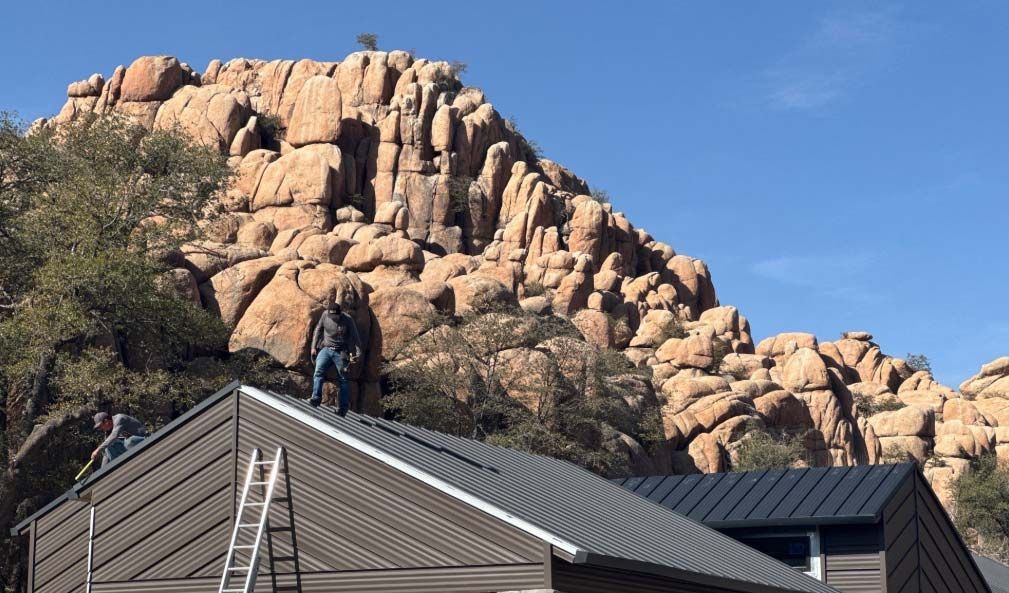
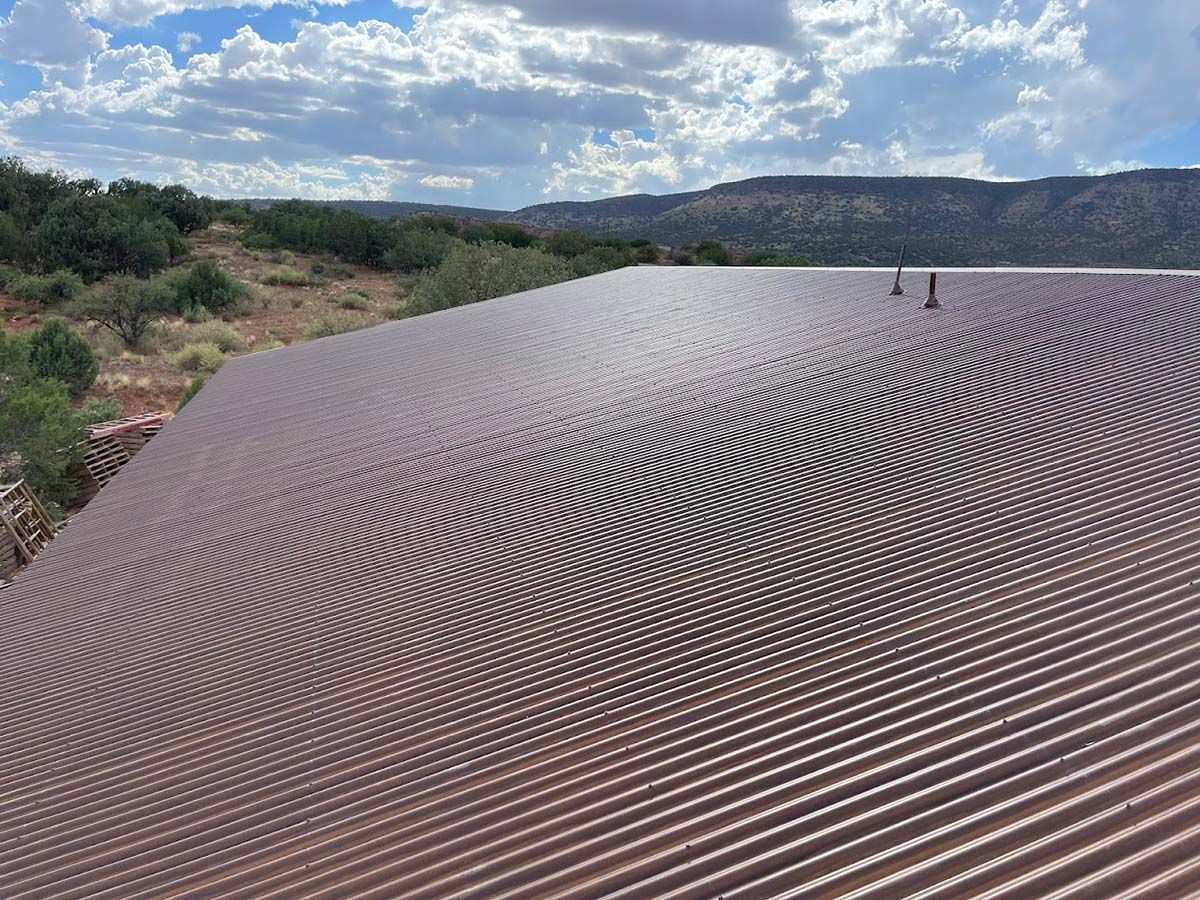
- Metal Roofing : Often pairs best with synthetic underlayment, which won't degrade under the metal in our high temperatures.
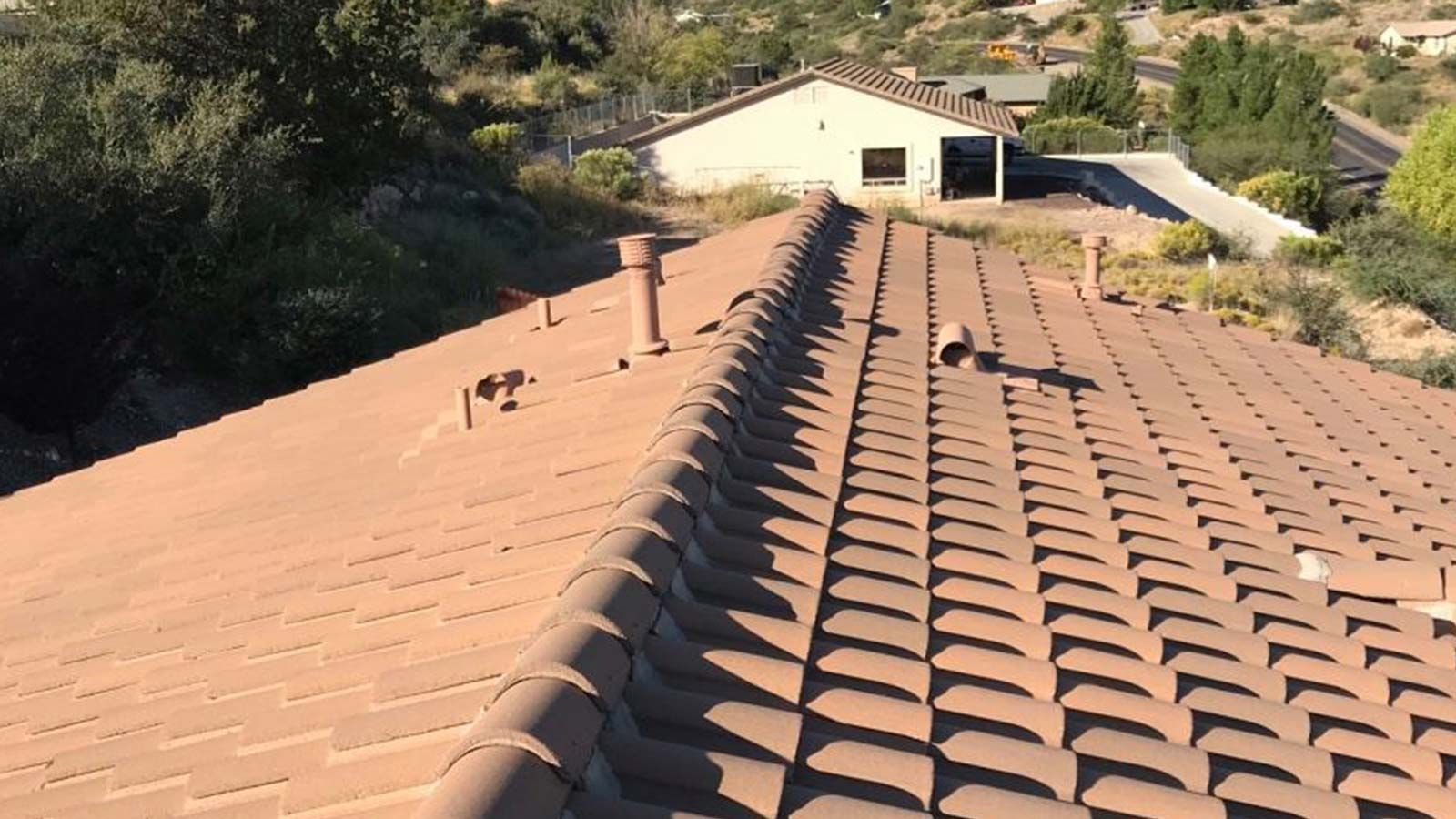
- Tile Roofing : May require a more robust underlayment, sometimes with an additional layer of protection.
Roof Slope: Because Even Roofs Need Good Posture
- Standard Slope Roofs : Most common in our area. Any high-quality underlayment will do the job.
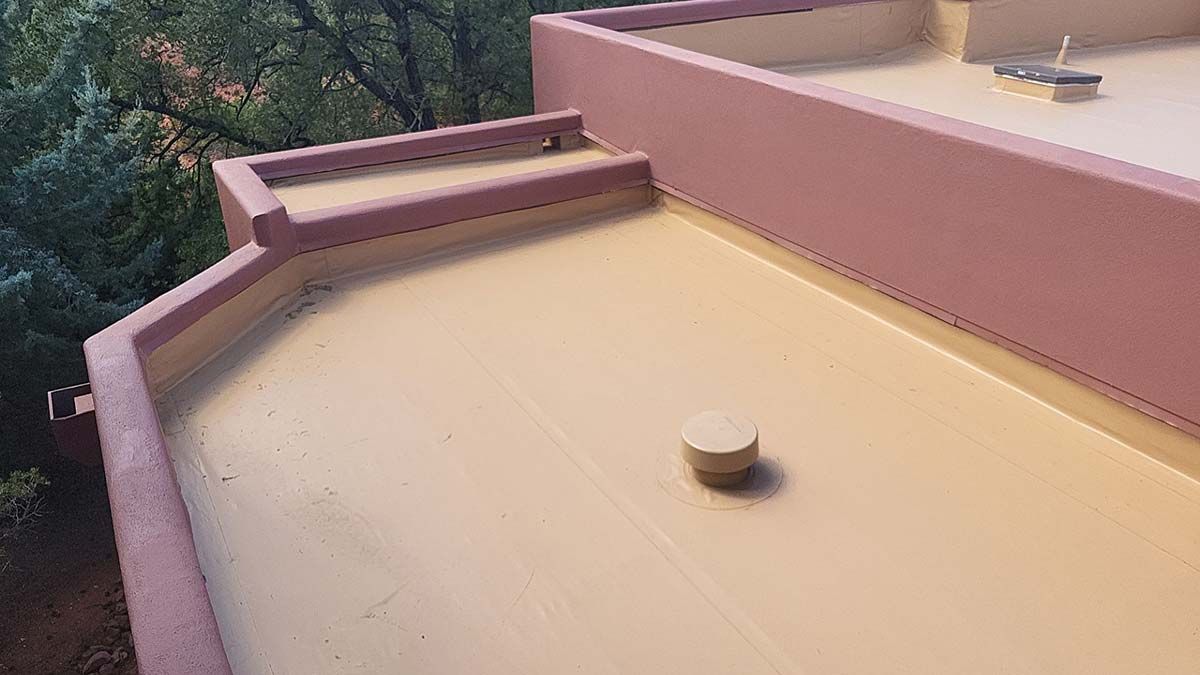
- Low-Slope Roofs : May require special attention. A waterproof underlayment is often recommended to prevent water from seeping under the roofing material.
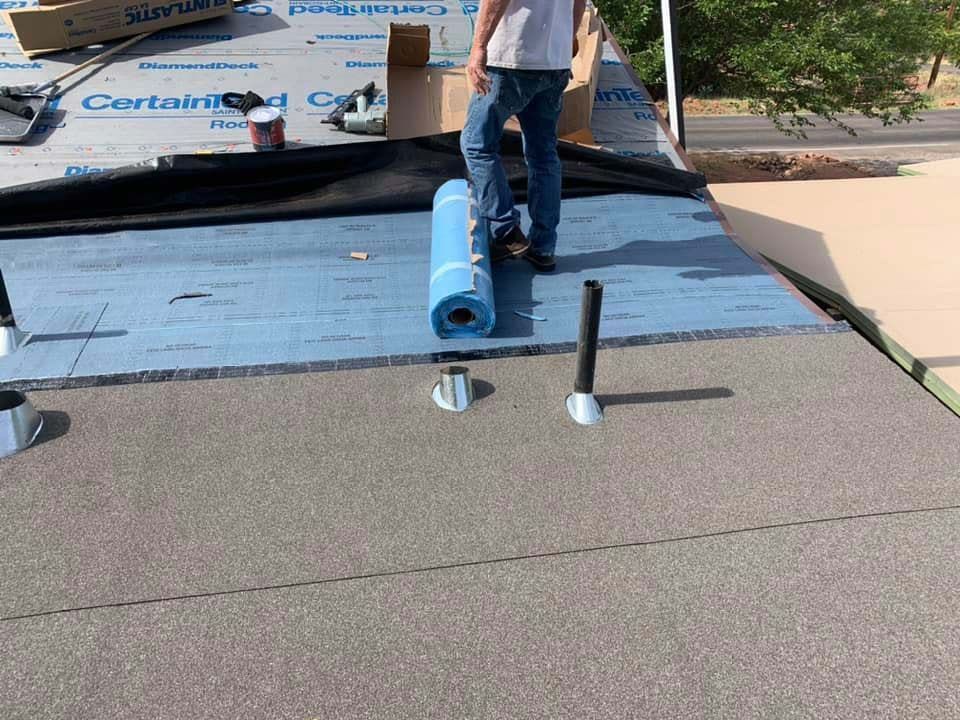
Remember, proper underlayment installation is crucial for how water drains off the roof. It's especially important that underlayment is installed correctly at the roof edge to prevent water infiltration.
Building Code: Because Even Roofs Need to Follow the Rules
Always check local building codes in your specific area. Requirements may vary between Sedona, Prescott, and other Northern Arizona locales. In some areas, underlayment is required by code.
Budget: Because Your Wallet Matters Too
While it's always a good idea to invest in quality materials for your roof, we understand that budget is a consideration. Weigh the upfront costs against long-term durability and protection. An effective roof underlayment protects your roof and can save you money in the long run by preventing costly damage.
Maintaining Your Roof Underlayment: Keeping Your Shield Strong
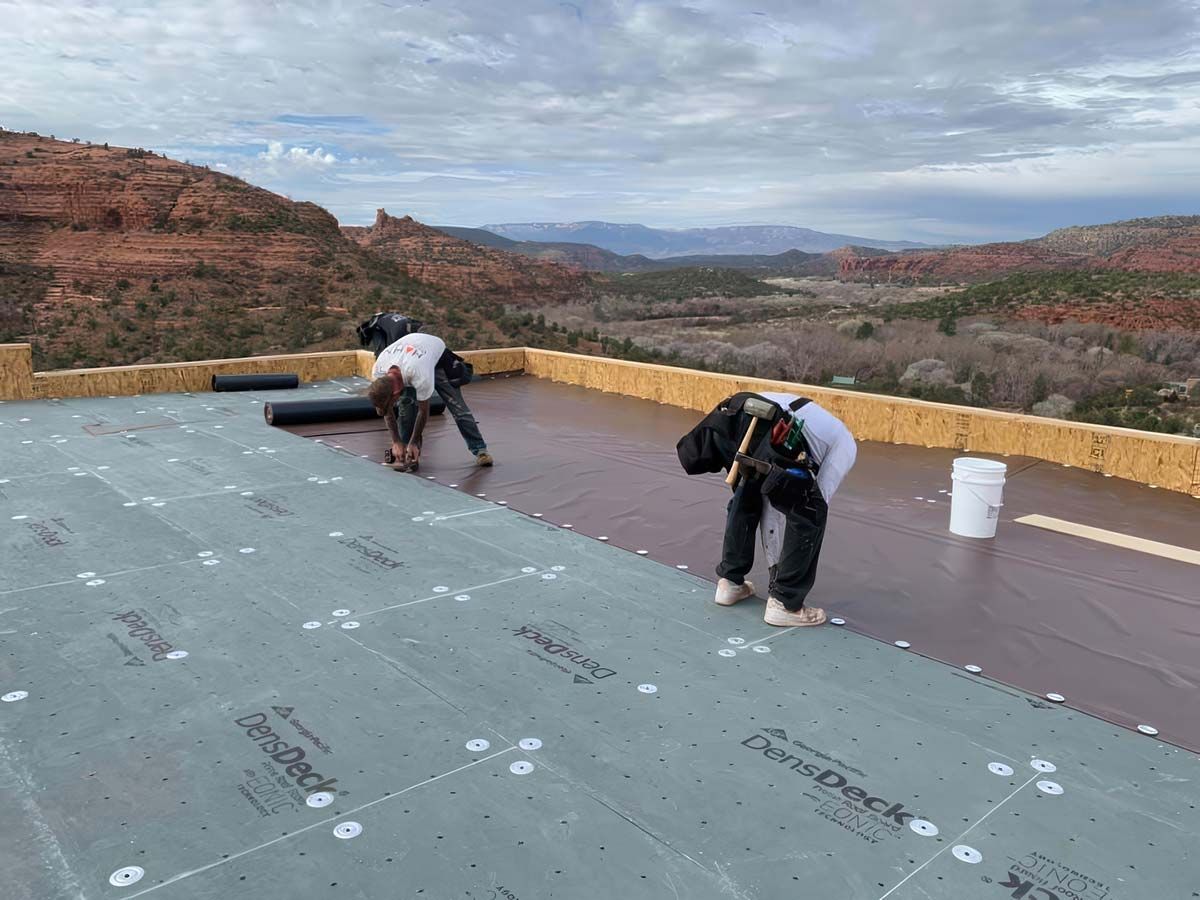
Even the best roof underlayment needs a little TLC to keep protecting your Northern Arizona home. Here are some quick tips:
- Regular Inspections : Check your attic for signs of water damage or mold growth, especially after monsoon season. Look for any signs of wear and tear on the underlayment between the roof deck and the shingles.
- Prompt Repairs : Address any issues quickly to prevent larger problems. Remember, underlayment protects your roof from minor issues becoming major headaches.
- Professional Check-ups : Have a roofing contractor inspect your roof system every few years. They can assess the condition of your underlayment and recommend repairs or replacement if necessary.
Common Underlayment Problems to Watch For
Keep an eye out for these issues, which can be exacerbated by our unique climate:
- UV Damage : Our intense sun can degrade exposed underlayment over time.
- Thermal Splitting : Extreme temperature fluctuations can cause underlayment to crack.
- Wind Damage : Strong winds can lift and tear improperly installed underlayment.
Conclusion: Your Roof's Unsung Hero
From the red rocks of Sedona to the pines of Prescott, proper roof underlayment is crucial for protecting Northern Arizona homes. It's your roof's first line of defense against our scorching summers, occasional winter storms, and everything in between.
Remember:
- Choose the right type of underlayment for your specific needs and climate.
- Ensure proper installation for maximum effectiveness.
- Regular maintenance can extend the life of your entire roof system.
By understanding and caring for your roof underlayment, you're not just protecting your house – you're safeguarding your home. And in our beautiful, but sometimes harsh, Northern Arizona environment, that peace of mind is worth its weight in Sedona crystals!
Ready to Protect Your Northern Arizona Home?
Don't let your roof's unsung hero go unnoticed! Whether you need a full roof replacement, underlayment installation, or just want to ensure your current roof system is up to the task of protecting your home, Hahn Roofing is here to help. Our expert team understands the unique challenges of Northern Arizona roofing and can provide top-notch service for all your roofing needs.
From Sedona to Prescott and everywhere in between, we offer:
- Roof inspections and maintenance
- Underlayment installation and repair
- Full roof replacements
- Emergency roof repairs
- And much more!
Don't wait for a leak to spring before you think about your roof. Contact Hahn Roofing today for a free consultation and let us help you keep your home safe and dry, no matter what Mother Nature throws our way!