Myths About Metal Roofing: 10 Common Misconceptions Debunked
Common Myths About Homes With Metal Roofs
We talk to a lot of people who are curious about metal roofs—but still a little skeptical. And honestly, we get it. There’s a lot of old info floating around out there. Some of it’s just outdated, and some of it was never true to begin with.
Modern metal roofing isn’t what it used to be. It’s tougher, quieter, and looks a whole lot better than folks expect. But even with all the improvements, we still hear the same questions and concerns—usually based on common myths that just won’t go away.
What Homeowners Get Wrong About Today’s Metal Roofing
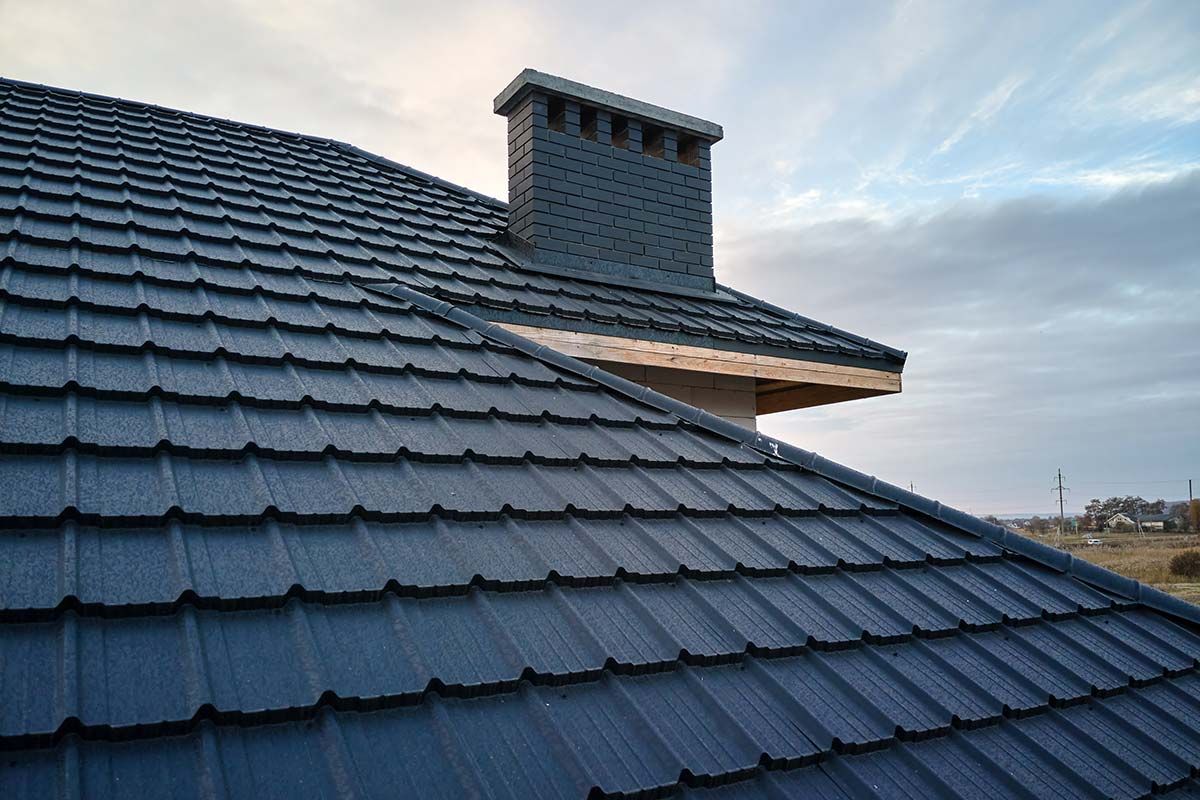
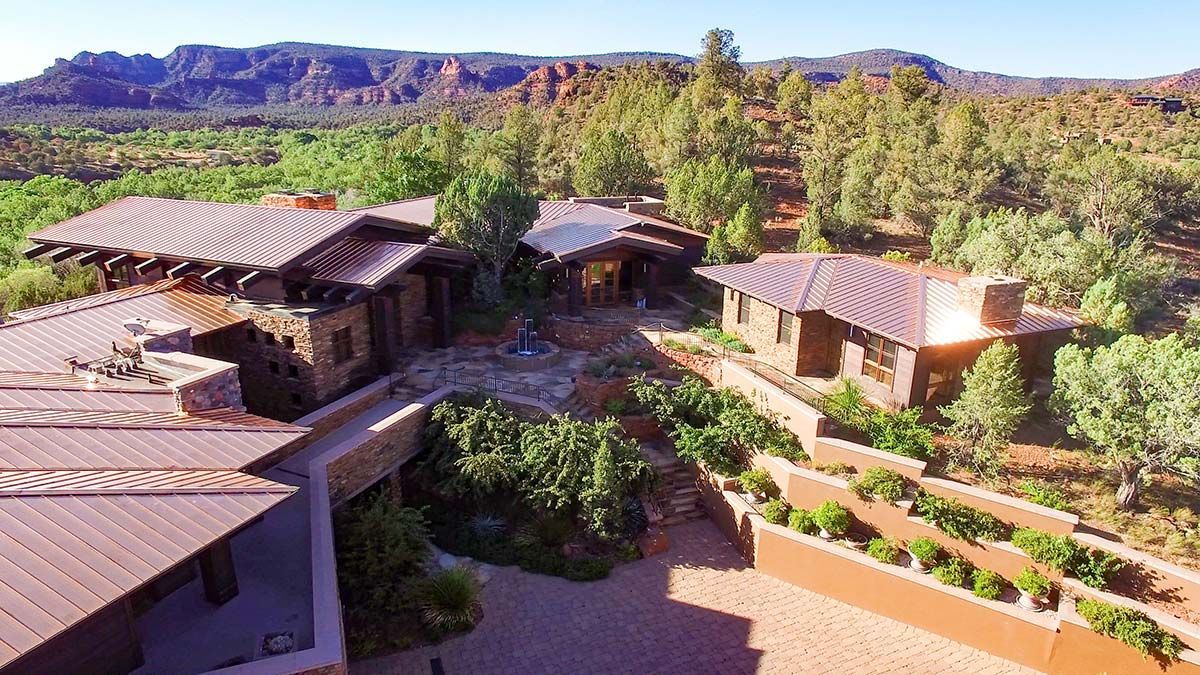
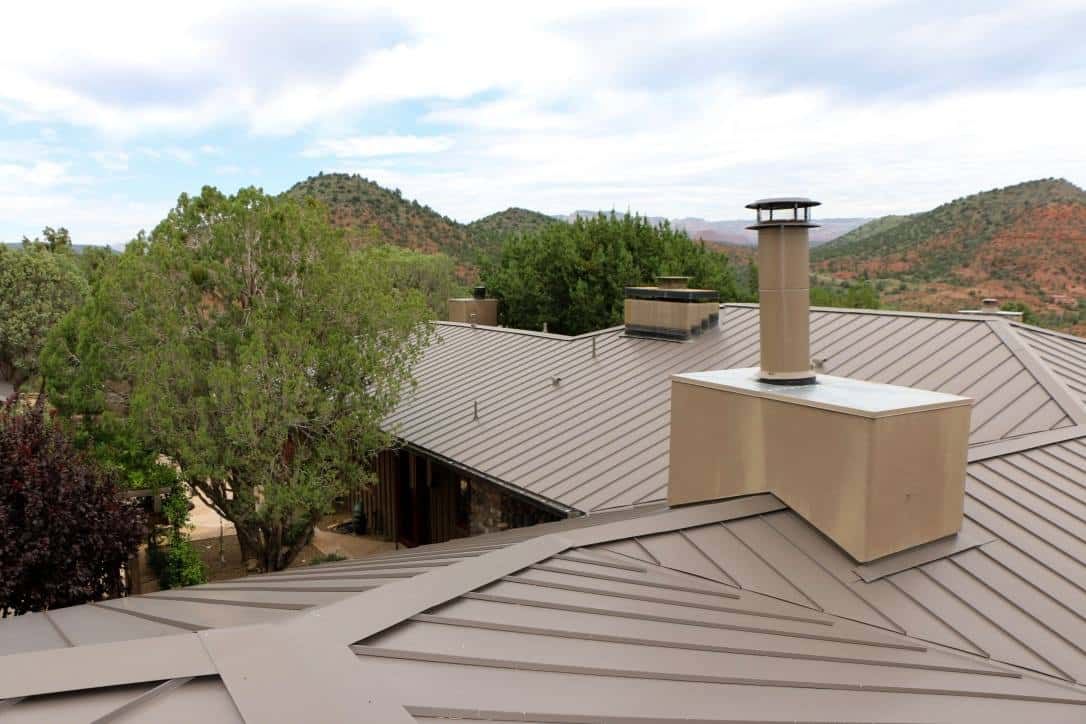
Most of the time, people picture the old-school stuff—bare metal panels, noisy in the rain, maybe something you’d see on a barn. But that’s not what’s going on roofs today. Thing is, metal roofing doesn’t look or perform the way it used to. These days you’ve got options—styles that look like shingles, tile, even slate if that’s your thing. Some folks want something that blends in. Others want to make a statement. Either way, it’s not just silver panels anymore.
But we still run into homeowners who think of it as loud, shiny, or industrial.
That version of metal roofing? Long gone.
Myth 1: Metal Roofs Are Noisy When It Rains or Hails
This one sticks around because people are thinking of barns or carports. Open framing. Echo chambers. If you’ve ever been inside one during a storm, yeah—it’s loud. But residential metal roofing is a different story entirely.
The Truth: Insulated Systems Make Them Just as Quiet as Shingles
A real metal roofing system isn’t just metal slapped onto a house. There’s a full assembly under those panels: a solid roof deck, a layer of underlayment, and usually some form of insulation. All of that cuts the sound way down. You won’t hear a monsoon thunderstorm any more clearly through a metal roof than you would through asphalt shingles.
And in Arizona, that kind of sound control matters. We get hard, sudden storms—especially in summer—and no one wants to be startled awake every time rain hits the roof. That’s why modern metal systems are designed not just to look good and last, but to stay quiet too. It’s not the old tin-roof rattle people imagine.
Myth 2: Metal Roofs Attract Lightning
This one comes up a lot during monsoon season. We’ll get asked straight out—“Isn’t metal more likely to get struck?” The short answer is no. But the assumption makes sense. Metal conducts electricity, so people figure it must attract it too.
The Truth: Metal Is Safer Than You Might Think
Lightning isn’t drawn to metal. It’s drawn to height. If your home is the tallest thing around, it’s already more likely to get hit—no matter what kind of roof you’ve got. Metal or not doesn’t change that.
But here’s what makes a difference. If lightning ever does strike, metal gives you a better chance of avoiding serious damage. It doesn’t burn. It won’t catch fire like wood or melt like some synthetics. And with the right grounding in place, it helps move that charge safely out and down—not into your house.
So no, a metal roof won’t cause a lightning strike. And yes, if one ever happens, you’re better off with steel over shingles.
Myth 3: Metal Roofs Rust Easily
We get it. When folks think of metal, they picture rust. Orange streaks running down the side. Thin spots, flaking edges. Maybe you're picturing an old shed, not a modern roof.
The Truth: Today’s Coatings Prevent Corrosion
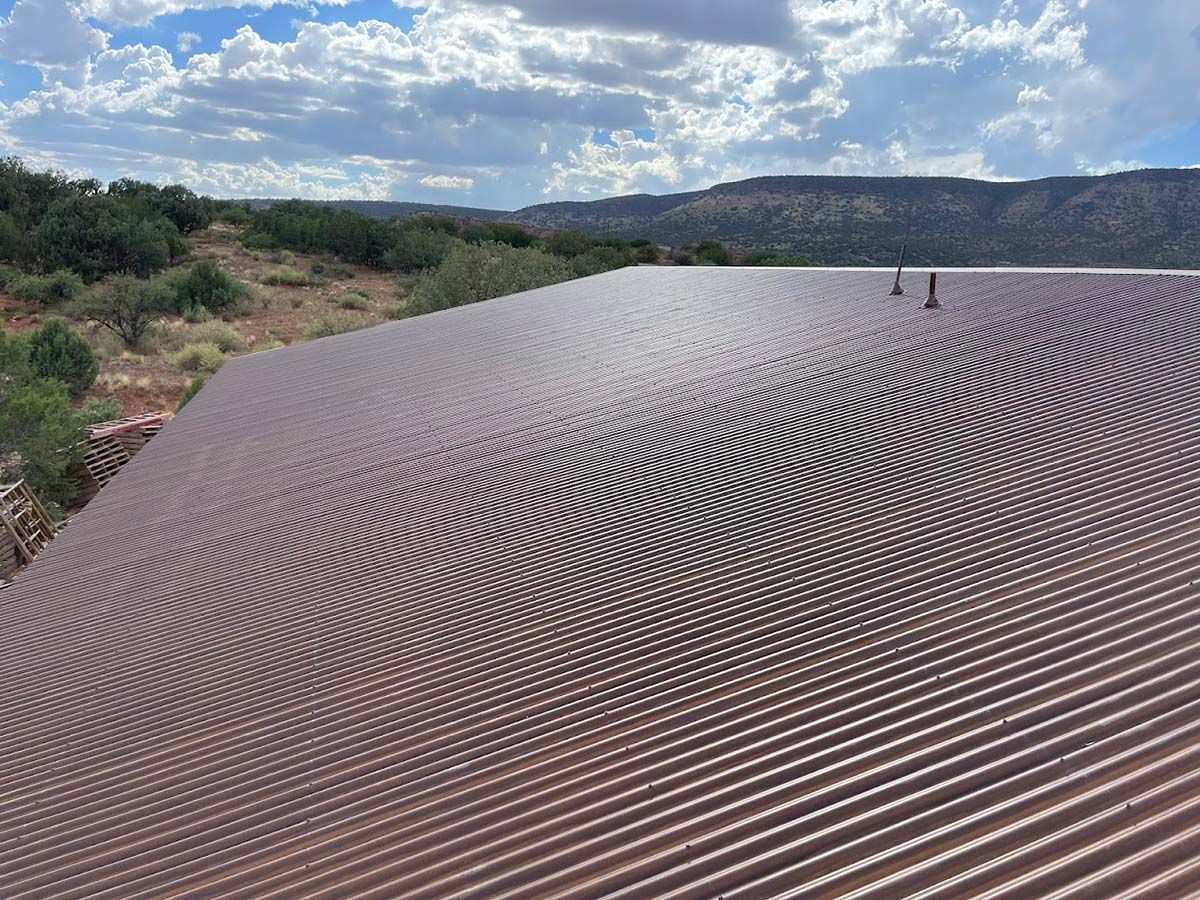
Thing is, those old rusty roofs? They weren’t coated. Today’s metal roofs are. Most are made of aluminum or steel with a finish that stops rust from even starting. That layer acts like armor.
We’ve seen these roofs hold up through all kinds of weather—big monsoon dumps, full sun all day, even ice and snow up in Prescott. And they still look clean years later. You’re not going to see rust unless something goes really wrong, like damage that never gets fixed.
Myth 4: Metal Roofs Make Homes Hotter in Summer
This one comes up all the time. Arizona heat is no joke, and nobody wants to bake in their own home. People figure metal = heat. It sounds logical.
The Truth: Metal Reflects Heat, Reducing Cooling Costs
Metal doesn’t act like a sponge. Shingles do. Shingles soak up the heat and hang onto it. That heat gets into your attic, then into your home. Metal reflects a lot of that away.
We’ve had customers say their AC ran less after switching to metal. And they felt it, especially late in the day when shingle roofs are still holding heat. With metal, that heat doesn’t stick around as long.
So no—it’s not hotter. If anything, your house might stay cooler.
Myth 5: Metal Roofs Are Prone to Dents and Hail Damage
We’ve had people ask, “Won’t hail just dent a metal roof?” It’s a reasonable concern—metal sounds softer than tile or composite. But that’s not how these systems are built.
The Truth: Quality Systems Are Impact-Resistant
Today’s metal roofing systems are engineered for durability. They’re rated for high impact, and most of them are tested to withstand hail and debris without permanent damage. We’re not talking about thin sheet metal here. These are structural panels, often made of steel, installed over a solid roof deck.
In Arizona, where you can get sudden hail in the high country or monsoon debris flying through your yard, that strength matters. Some systems even outperform traditional asphalt shingles when it comes to holding up under stress. And if you’re considering a metal roof for storm season peace of mind? This is one place where they really shine.
Myth 6: Metal Roofing Is Only for Barns or Commercial Buildings
This one’s stuck around forever. A lot of folks still think of metal as a utility material—something you use on a pole barn or warehouse, not a house in a residential neighborhood.
The Truth: Modern Designs Fit Any Home Style
Modern metal roofing comes in dozens of styles, colors, and profiles. Some panels look just like traditional asphalt shingles. Others are made to mimic slate or clay tile. You can go sleek and modern or classic and cottagey—it’s all on the table now.
We’ve installed metal roofs on everything from mid-century homes in Prescott Valley to ranch-style builds out in Camp Verde. They blend in when you want subtle. They pop when you want contrast. And more homeowners are choosing metal roofs not just for durability, but for the design flexibility. This isn’t just barn material anymore—it’s residential roofing, and it looks good doing the job.
Myth 7: Metal Roofs Are Too Expensive
This is one of the most common misconceptions about metal roofing, and probably the one we hear most. The upfront cost makes some homeowners back off before they’ve looked at the whole picture. But roofing isn’t just a purchase. It’s an investment in how your home performs for the next few decades.
The Truth: Long-Term Value Offsets Initial Cost
Yeah, metal can cost more than a traditional asphalt roof. But that first number isn’t the whole story. You’re not just buying a roof—you’re getting something that’s built to last. A good metal system can go 40 years or more, sometimes double what you’d get from shingles. That’s one less thing to worry about when you’re dealing with Arizona’s heat, hail, or sudden downpours. And over time, fewer repairs and less upkeep means you save more than you spent up front.
Reasearch on Roof Longevity
-
National Association of Home Builders (NAHB): Reports that metal roofs can last 40–70 years, depending on material and installation quality .
-
Metal Construction Association (MCA): Independent research, overseen by consulting firms, found that 55% aluminum-zinc coated steel standing seam roofs can last at least 60 years —often the entire service life of a commercial building .
-
Ducker Research Company: A study commissioned for building owners found that metal roofs have an average expected service life of 40 years —almost double that of asphalt shingles (23 years) and single-ply roofing (20 years). The same study noted lower maintenance costs for metal roofs over their lifecycle .
-
State Farm (Insurance Industry): States that metal roofs typically last 40 to 80 years , significantly longer than asphalt shingles
It’s also worth noting how well these roofs perform in extreme conditions. They reflect heat, hold up to wind and hail, and don’t crack or curl like older materials. If you plan on staying in your home—or want to boost resale value—it’s hard to find a roofing solution with a better return.
Myth 8: Metal Roofs Are Hard to Install or Repair
This one comes from the idea that anything “different” must be more complicated. Metal isn’t a shingle, so people assume it’s difficult to work with—or worse, that no one knows how to install it right.
The Truth: Skilled Installers Make It Straightforward
The truth is, installing a metal roof just takes the right crew. It’s not harder—it’s just different. From panel layout to trim work to fastening systems, the process is clean, precise, and fast when done by people who know what they’re doing.
At Hahn Roofing, we’ve installed metal roofs across Northern Arizona for years. From new construction to tear-offs to tricky retrofits, we’ve seen just about every layout you can imagine. And repairs? Most are simple. Unlike composite shingles, which can require patching layers, metal panels are often easier to replace section by section—no mess, no fuss.
So no, it’s not some mystery roofing material. It’s just a job for a pro.
Myth 9: Metal Roofs Offer Limited Style or Color Options
We still hear folks say, “Yeah, but I don’t want a shiny silver roof on my house.” That’s fair—if it were still 1984. But the options today are nothing like the old-school stuff people remember.
The Truth: Dozens of Profiles and Finishes Are Available
Modern metal roofing systems come in more styles than most people expect. You’ve got standing seam panels for a clean, architectural look. But you’ve also got metal shingles, stone-coated panels, and finishes that look like wood shake, tile, or slate. We’re not just talking about silver and charcoal anymore.
You’re not stuck with shiny silver. We’ve seen metal roofs in deep green, rusty red, matte black—you name it. Some mimic tile or wood shake, others go for a clean seam look. And it’s not just looks. The coatings on these panels are built to last.
Whether your place has a modern roofline or something more classic, there’s a metal option that fits. That whole idea that metal only works on barns or cabins? Just not true anymore.
Myth 10: Metal Roofs Are Too Heavy
This one feels true to people because, well—it’s metal. Of course it’s heavy, right? Turns out that’s not the case.
The Truth: Metal Is Lighter Than Tile or Shingles
Most folks are surprised when we tell them that metal roofing is one of the lightest roofing materials out there. Pound for pound, it usually weighs less than shingles. And if you’re comparing it to concrete or clay tile? Not even close—metal comes in way under.
We’ve put metal roofs on homes that were built a hundred years ago without having to touch the framing. No reinforcements, no structural upgrades. So if weight is what’s holding you back, don’t sweat it. You’re more likely to run into weight issues with tile or slate than with steel or aluminum panels.
The Real Benefits of Metal Roofing
After clearing up the common myths, a lot of folks end up rethinking what metal roofing can actually do. It’s not just strong. It handles heat well. It holds up when storms roll through. And you don’t have to worry about pieces blowing off or the color fading right away.
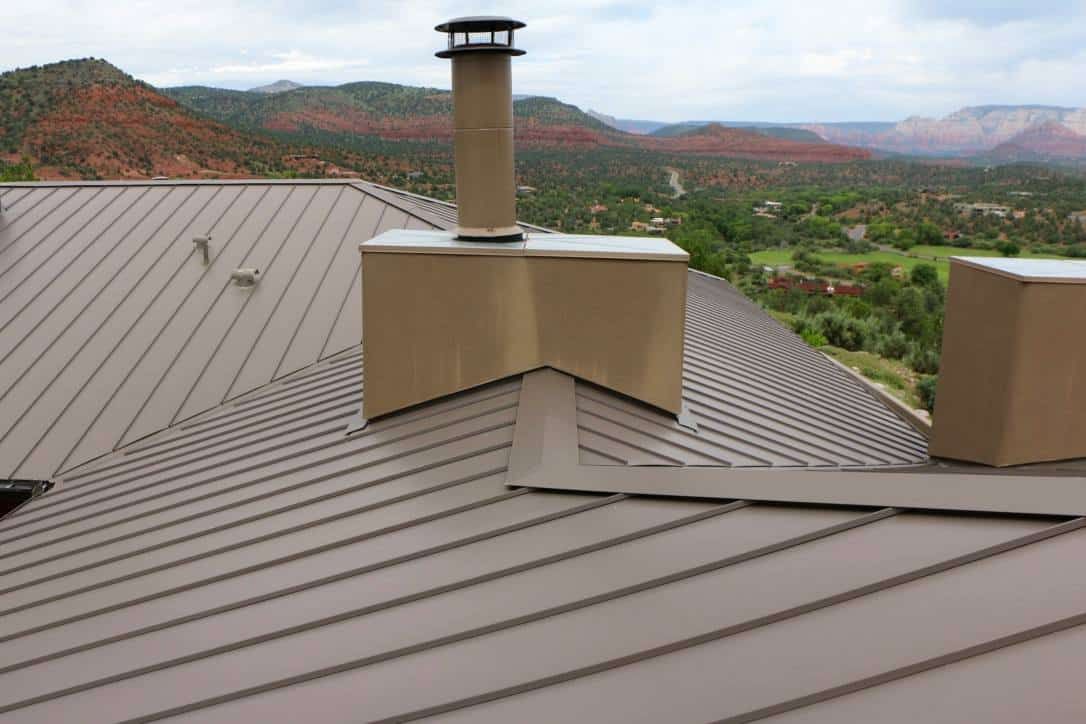
The panels lock together tight. They’re built to stay put—even when the wind picks up or the rain hits fast, which we all know can happen out here. They cool off faster than shingles too. And once they’re up there, they don’t ask for much. No sealing, no curling, no replacing strips every few years.
Considering a Metal Roof for Your Home?
We’ve worked on a lot of homes around the Verde Valley, and every roof’s a little different. Some folks want something that blends in. Others want to go bold. Either way, we’ll help you figure out what fits your place—and your budget.
If you’ve still got questions, that’s normal. There’s a lot of info out there, and not all of it’s up to date. Give us a call or stop by. We’ll walk through the options, show you real examples, and help you decide if metal’s the right move for your home.
Talk to Hahn Roofing about what’s best for your Verde Valley, Arizona property.