Arizona Monsoon Season Homeowner Checklist
Each summer, Arizona’s monsoon season arrives with a punch— intense rains , sudden dust storms , and powerful thunderstorms that can overwhelm even the most prepared homes. If you’re living in Northern Arizona, you know how quickly these storms can go from passing weather to serious hazardous conditions . Without proper preparation, your roof, foundation, and even indoor systems can become vulnerable to leaks and structural damage, mold, or electrical risks.
This guide is built for Arizonans who want a simple, effective way to protect your home before the first big downpour . From outdoor furniture to clean water drainage , we’ll help you assess your home’s weak points and take preventative steps to avoid costly repairs . Whether you're new to monsoon season or simply want a refresher, our checklist gives you a clear layer of protection to help keep your home safe — through every flash of lightning and late- season storm closure.
Why You Need a Checklist for Arizona’s Monsoon Season
Arizona’s monsoon season runs from June 15 to September 30 , bringing with it a dramatic mix of heavy rainfall , strong winds , dust storms , and flash flooding . These intense weather events can overwhelm homes that haven’t been properly prepared— especially in Northern Arizona communities like Cottonwood , Sedona , and Prescott .
Having a seasonal checklist isn’t just smart— it’s essential. Proper storm prep helps:
-
Prevent water intrusion and roof leaks
-
Minimize damage to landscaping and outdoor equipment
-
Reduce the risk of foundation problems or stucco deterioration
-
Maintain air quality and system performance inside your home
-
Ensure you and your family stay safe and informed when the next rainstorm hits
This guide will walk you through everything you need to prepare your home for the 2024 Arizona monsoon season — from roof inspections to emergency backup plans. Bookmark it, print it, or download the full checklist as a PDF for quick reference.
Roof & Exterior Maintenance to Prevent Water Damage
Inspect for visible damage and signs of leaks
Start with a visual check of your roof. Look for cracked or missing shingles, soft spots, rusted flashing, and signs of wear along edges and seams. Inside, check ceilings and attic spaces for water stains or sagging drywall— early signs of potential leaks and structural issues that could worsen with the next monsoon storm .
Schedule a professional roof inspection
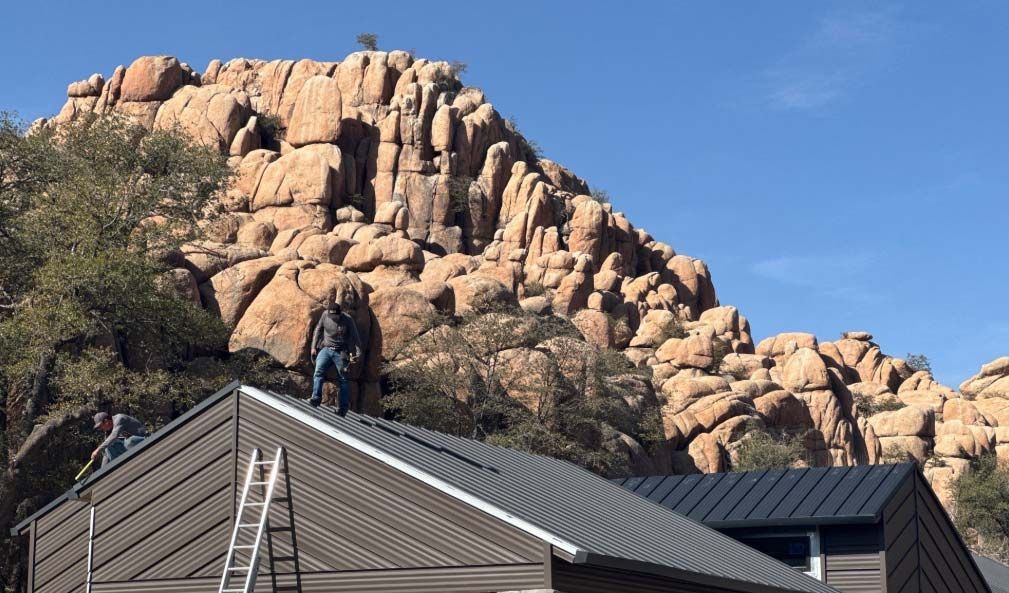
A trained eye can catch vulnerabilities you may miss. Schedule a seasonal roof inspection with a local expert who understands AZ storm conditions. They’ll assess areas like underlayment, flashing, ventilation, and drainage— all critical during intense rains .
Check flashing, roof coating, and underlayment
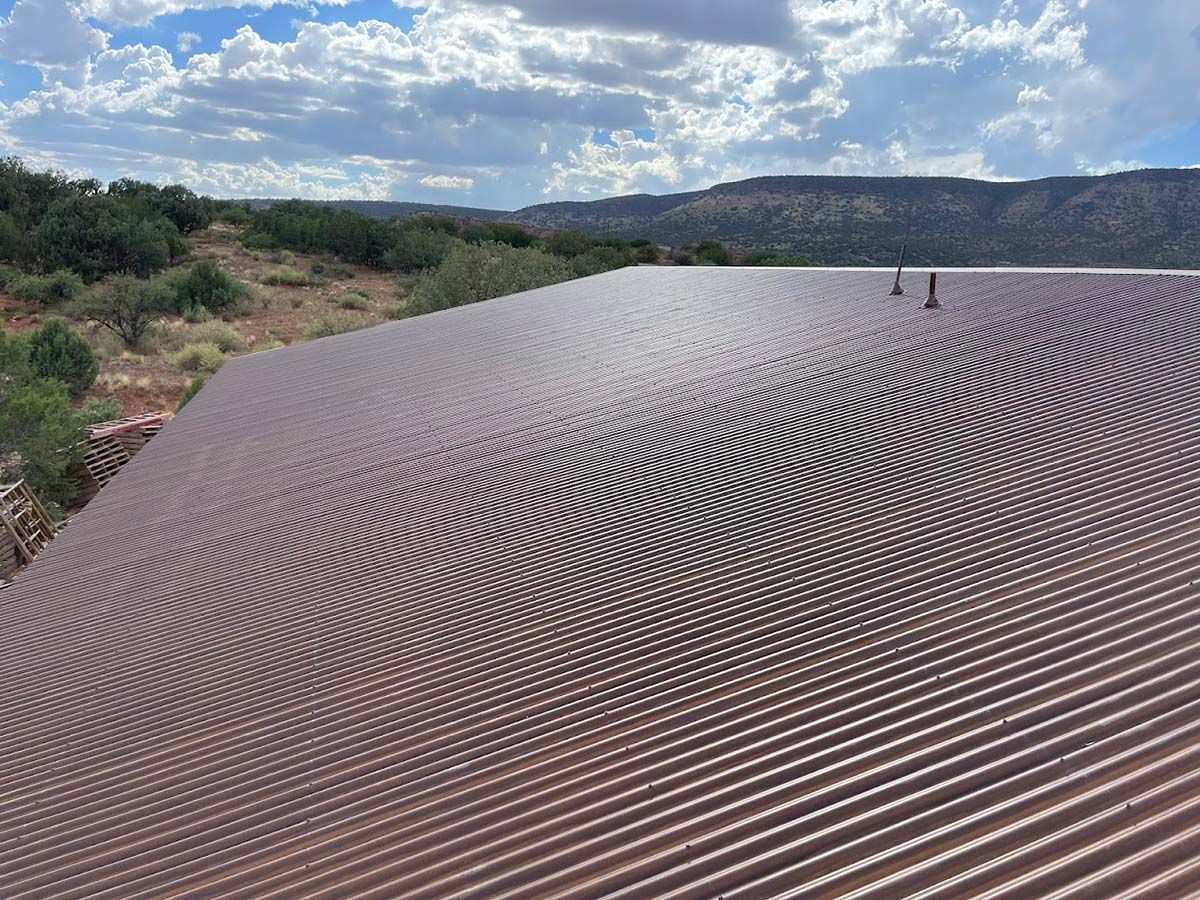
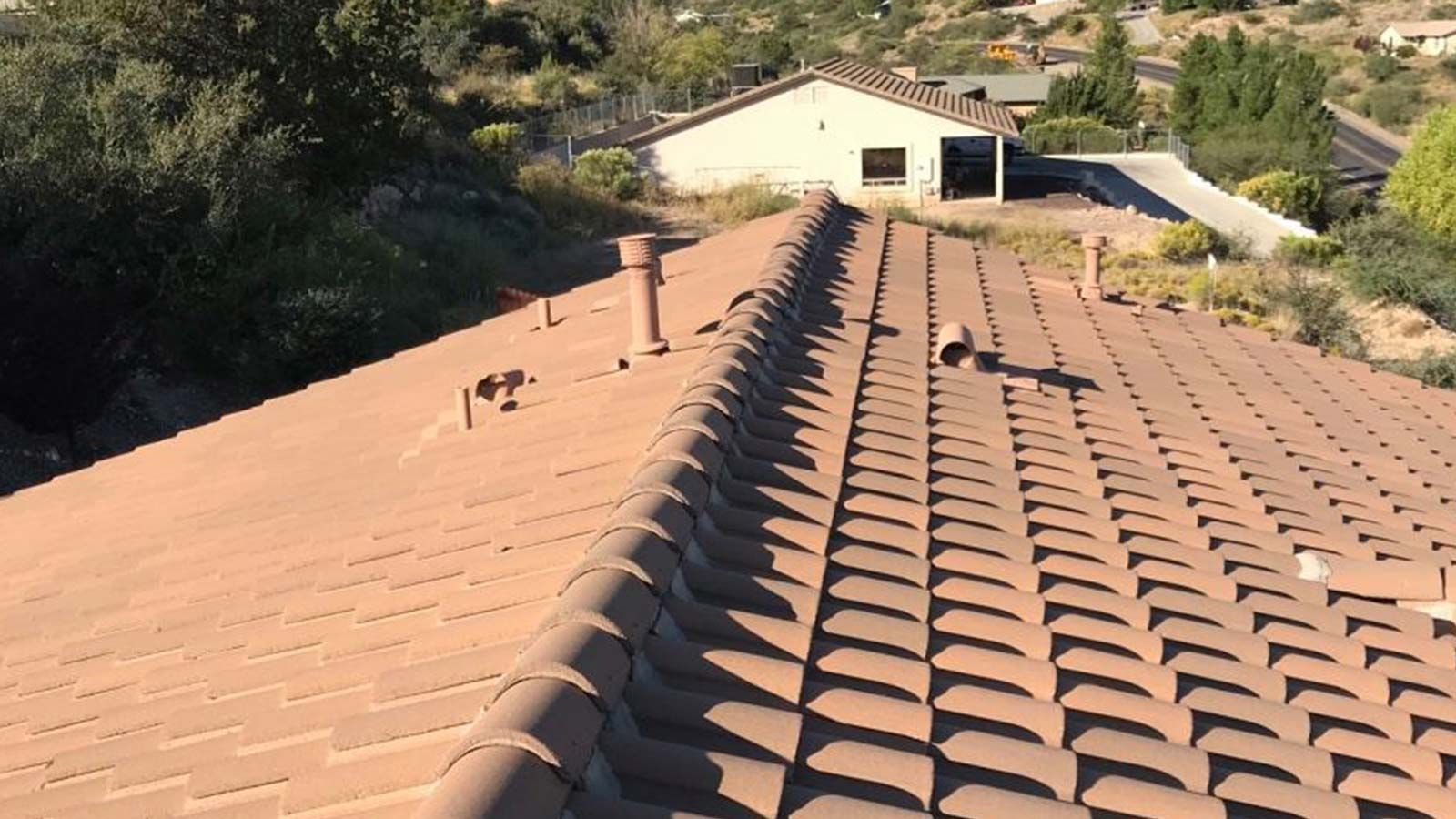
Metal flashing around vents, chimneys, and valleys often loosens over time. Re- seal or replace it as needed. If you have a flat roof or coated system, inspect the roof coating for cracks or bubbling. Damaged underlayment beneath tiles or shingles can lead to hidden leaks and should be replaced before storm season hits.
Seal around skylights, vents, and chimneys
These roof penetrations are prime leak zones during a rainy season . Use waterproof caulking or roofing sealant to reinforce seals and prevent water intrusion . Even small gaps can allow monsoon rains to enter and damage insulation, drywall, and wiring inside your home.
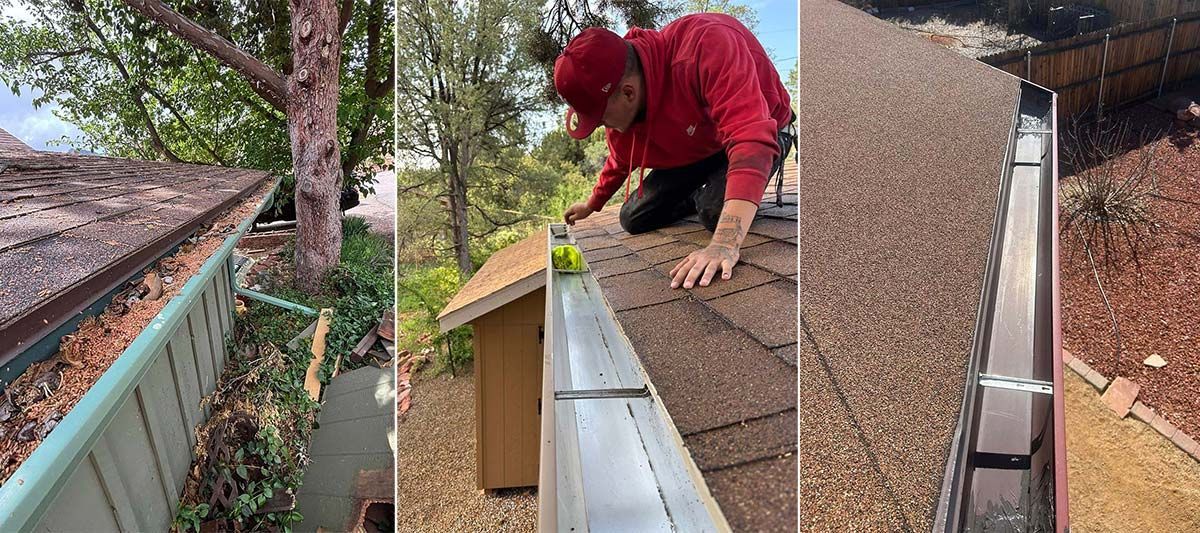
Clean out gutters and downspouts
Clogged gutters are one of the fastest ways for a storm to turn into a disaster. Clear out leaves, sediment, and roof granules so that rainwater flows freely and safely away from your home . Ensure that all downspouts are securely attached and properly directing water at least several feet from your foundation.
Prepare Your Yard and Landscape Before the Storms Arrive
Trim trees and shrubs away from the roof
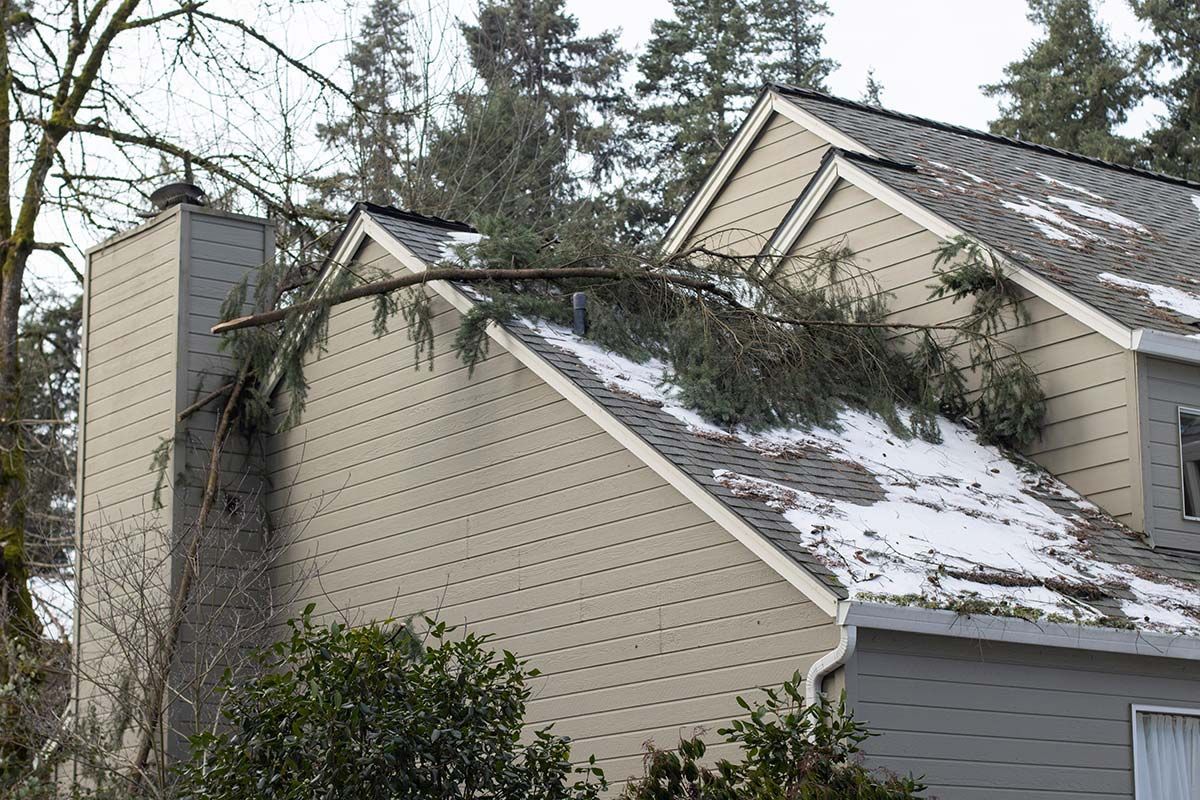
Overhanging branches can scrape shingles, block gutters, and fall during heavy rain or high winds. Prune back any limbs that touch or hover above your roofline. This reduces the risk of impact damage and keeps leaves from accumulating and rotting on your roof.
Remove debris and potential wind- borne hazards
Walk your yard and sweep up loose branches, yard waste, and construction materials. These items can become hazardous projectiles in storm conditions. Keeping your outdoor areas clean is a simple diy step that helps prevent damage to both your home and neighboring properties.
Anchor or store patio umbrellas and chairs
Items like grills, patio tables, umbrellas, and chairs should be stored securely indoors or anchored properly. High winds can toss even heavy furniture, leading to broken windows, punctured siding, or serious injury.
Support young trees and secure outdoor equipment
Use stakes or bracing systems to protect small or newly planted trees from being uprooted. Secure hoses, planters, and lightweight tools to reduce clutter and improve drainage around the home— especially helpful in areas that wash out during downpours.
Prevent Flooding with Smart Water Management
Check yard grading and drainage patterns
Poor grading is one of the most overlooked threats during the monsoon season in Arizona . Walk the perimeter of your home and observe how water flows during light rain. If water pools near your foundation or slopes toward the house, you may need to regrade your yard or add drainage solutions like swales or gravel channels.
Clear out storm drains
Blocked storm drains can quickly overflow, pushing water back toward your home and neighboring properties. Sweep away leaves and sediment from any curbside or yard drains on or near your property. It's a small precaution that can significantly prevent damage during a downpour . For additional flood prevention tips, check out Ready. gov’s flood safety guide .
Use sandbags or flood barriers in low- lying areas
If your home is located at the bottom of a slope or is otherwise susceptible to water intrusion, consider laying sandbags near doors, garage entry points, or basement windows. They can help ensure your home remains dry during intense storm activity.
Consider sump pumps for vulnerable basements
Homes with below- grade basements or crawl spaces may benefit from a sump pump installation. These systems activate automatically when water enters the space, providing a critical layer of protection . Routine inspections and repairs are essential to keep the unit functional— especially as storms grow more unpredictable with extreme heat and shifting weather conditions .
Seal, Secure, and Inspect Your Home’s Exterior
Inspect stucco and paint for cracks
Over time, Arizona’s extreme heat and sun exposure can cause your stucco to peel or crack— leaving openings for monsoon rains to seep into the walls. Walk around your home’s exterior and look for damage. Patch small cracks and consider applying a fresh coat of waterproof paint to help your home shed water more effectively.
Seal windows and doors to prevent leaks
Storm- driven rain will find any gap it can. Check caulking around your windows and doors, and install new weather stripping if there are signs of deterioration. This helps to ensure your home remains sealed tight during low- visibility storms, while also improving energy efficiency during Arizona’s hottest months.
Reinforce garage doors and upgrade to impact- resistant windows
Your garage door is a common failure point during strong wind events. Reinforcement kits can add structural support without a full replacement. If you’re investing in upgrades, consider impact- rated windows and doors for extra protection against flying debris and pressure shifts caused by high wind gusts.
Examine the foundation and slope water away from the structure
Cracks in the foundation may not seem urgent until monsoon season hits and mosquito - friendly standing water forms near your home. Reseal cracks with masonry caulk or epoxy, and double- check that surrounding soil slopes away from your home. This reduces the risk of flooding and supports better public health outcomes by discouraging pests and bacteria buildup.
Protect Indoor Systems and Maintain Air Quality
Change HVAC filters before and after storms
The combination of monsoon rains , dust, and extreme heat can quickly clog your air filters and strain your cooling system. Replace filters at the beginning of the season and again after major storms to maintain clean airflow and reduce the risk of poor health conditions inside your home.
Clean air ducts to reduce allergens
Dust, pollen, and mold spores can collect in your ductwork during storm season, especially in homes that stay closed up to avoid the heat. Cleaning your air ducts helps prevent indoor air quality issues that may trigger allergies or respiratory conditions. This is particularly important for public health and anyone with asthma or compromised immunity.
Seal ductwork to prevent dust infiltration
Leaky ducts reduce efficiency and allow dust and allergens to spread more easily. Sealing your ductwork adds an extra layer of protection , helping your HVAC system perform better during the season’s high humidity and unpredictable weather conditions .
Maintain a clear area around AC units
Keep plants, tools, and debris at least two feet away from your outdoor AC unit. This improves ventilation, prevents overheating, and reduces the chance of damage from flying debris or blocked airflow. A simple diy maintenance step like this can prevent breakdowns during the hottest, most humid weeks of monsoon season .
Essential Emergency Prep for Monsoon Season Safety
Create an emergency kit with essentials
Every home for monsoon season should have a well- stocked emergency kit. Include bottled water, non- perishable food, flashlights, batteries, first- aid supplies, and a portable phone charger. Keep everything in a waterproof container and store it in an easily accessible location.
Keep emergency contact numbers ready
Post a list of local emergency contacts, including your utility companies, local fire department, and a trusted roofing contractor , somewhere visible. In the event of a power outage or roof leak, you won’t want to waste time searching.
Install surge protectors for electronics
Lightning and power surges are common during monsoon storms , and they can damage expensive equipment. Use surge protectors on all major electronics and appliances to safeguard against outages and electrical damage.
Consider backup power options ( generators or battery backups)
Extended outages aren’t common— but when they do occur, they can affect cooling, food storage, and basic communication. A small generator or battery backup system can help you maintain comfort and safety, especially if you or a family member relies on powered medical devices.
Take photos of your home for insurance documentation
Before the first downpour , walk your property and take photos of your home’s exterior , roof, and interior valuables. If you ever need to file a claim, having dated photos will make the process faster and more accurate. You can even include a few snapshots of recent roof inspections or repairs to show condition before the storm.
Final Tips: Stay Ready Throughout the Season
Monitor weather alerts and local updates
Stay informed with real- time updates from the National Weather Service or your city’s emergency management system. Tracking forecasts, flood advisories, and storm closures gives you a valuable head start to prepare or take shelter.
Conduct repeat inspections throughout the season
Monsoon season isn’t a one- and- done event. After any major downpour or storm, walk your property and repeat basic checks. Look for fresh roof debris, new cracks in stucco, or drainage backups. These inspections and repairs help you catch small issues before they escalate.
Be aware of scammer roof companies
Unfortunately, some companies take advantage of storm damage by offering too- good- to- be- true prices or demanding full payment upfront. Learn how to avoid storm- chasing roofers and always verify licenses and insurance before signing any contract.
Know what to do if you have a roof leak or storm damage
If you discover a roof leak , don’t panic. First, contain the water to prevent further indoor damage , then document everything with photos. Next, contact a licensed roofer who specializes in monsoon repair. You can also review our post on signs of roof damage in Arizona for what to look for after a severe storm.
📥 Download the Full Arizona Monsoon Checklist ( PDF)
Prefer to print it or keep a copy handy? Download our free checklist to help you prep and stay on track throughout the season.
This quick- reference guide gives you every step— roof, yard, drainage, HVAC, emergency planning— organized in one clean, skimmable format.
Stay dry. Stay safe. Stay ready.