
Hail Damage Roof Repair: A Complete Guide
December 26, 2023
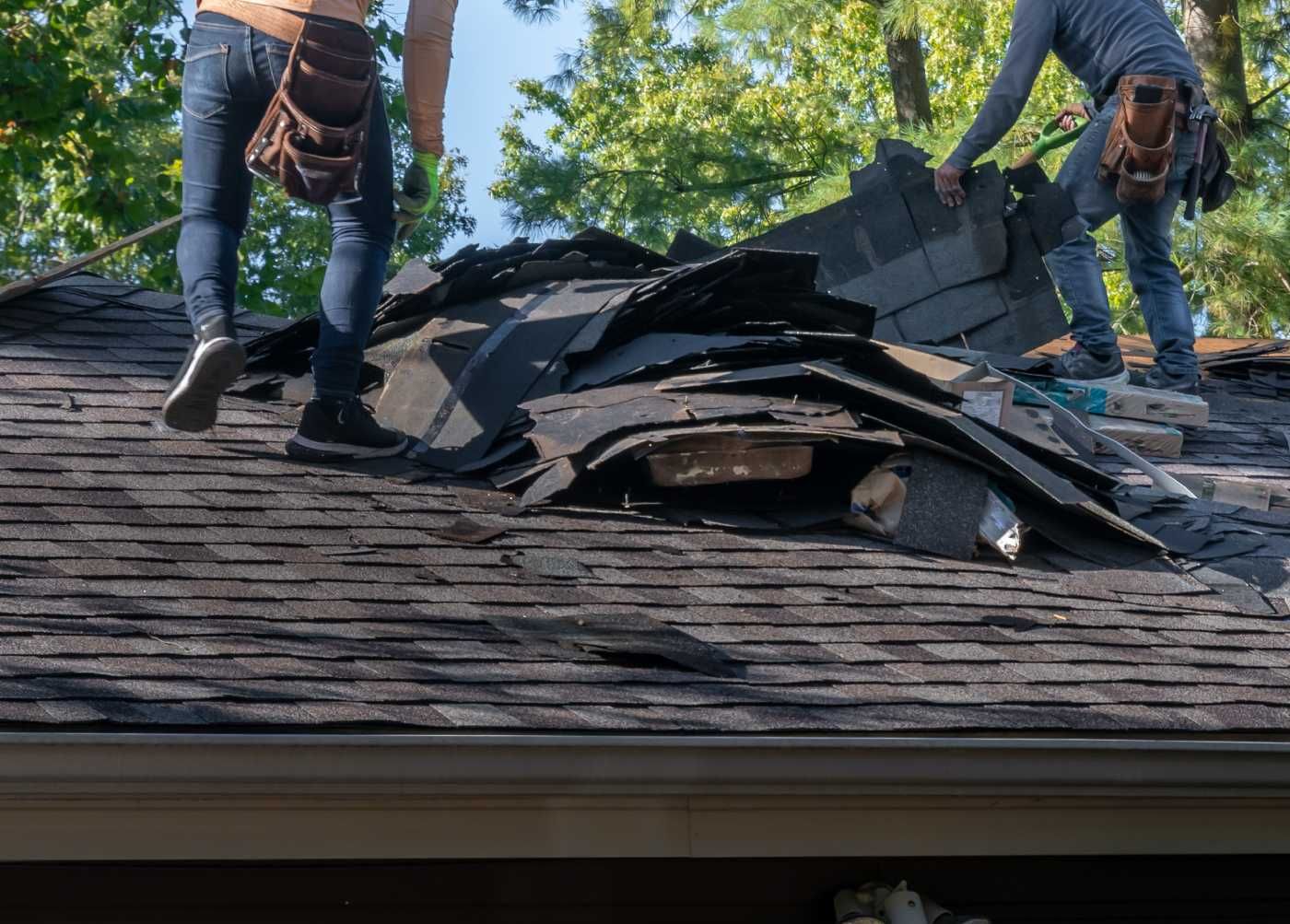 What is Hail Damage?
- dents
- cracks
- missing shingles
- loss of granules
How Does Hail Damage Roofs?
- Impact: When hailstones strike the roof, they can dislodge or crack the shingles.
- Granule loss: Hail can strip off the protective granules on the shingles, exposing the underlying material.
- Cracking: The force of the hail can cause cracks in the shingles, leading to water infiltration.
- Membrane damage: Hail can puncture or tear the roofing membrane, compromising its integrity.
- Leakage: Once the roof is damaged, water can seep into the structure, resulting in leaks and potential water damage.
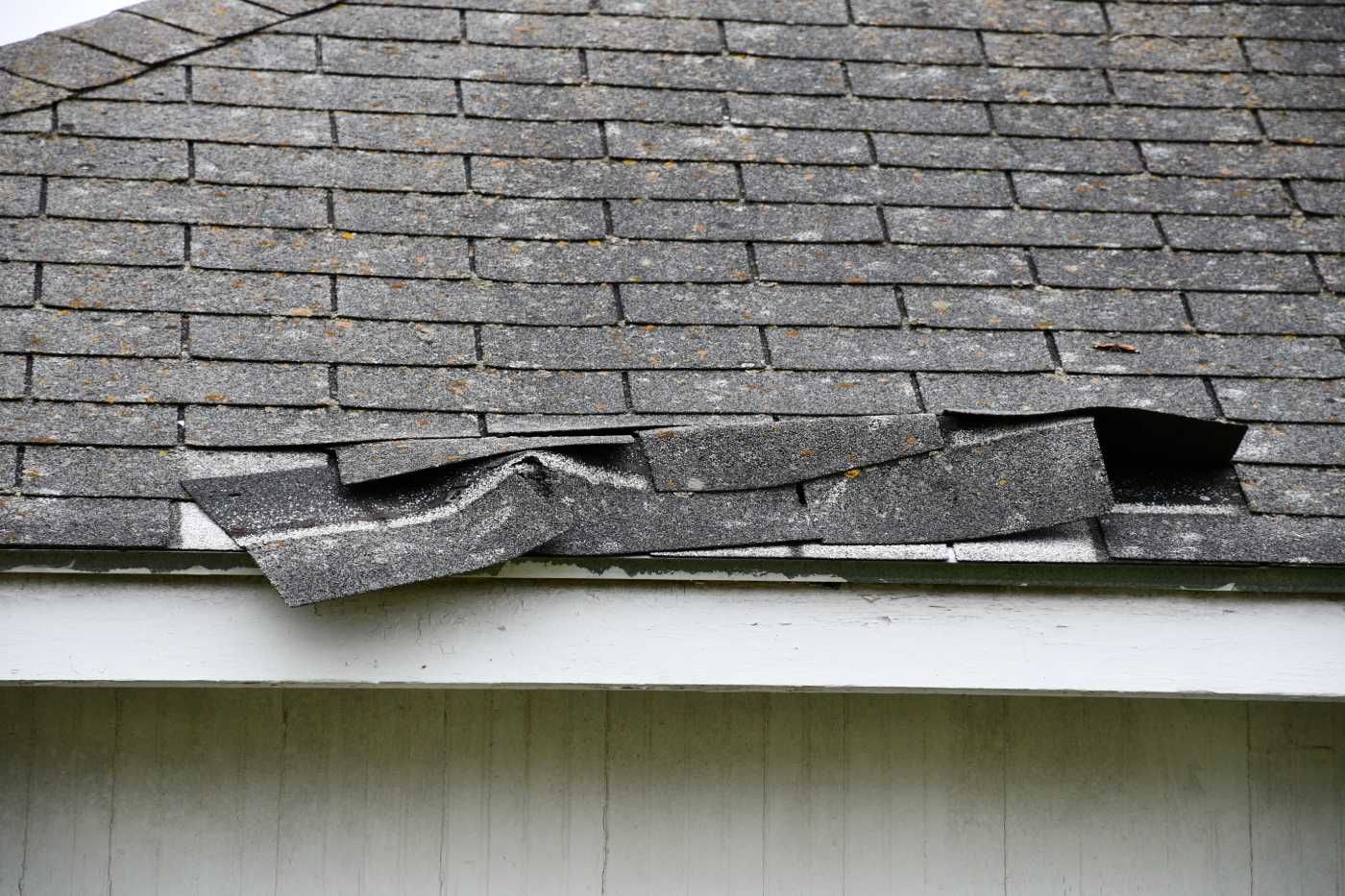 What Are the Signs of Hail Damage on Roofs?
1. Dents or Bruises on Shingles
- Carefully inspect your roof for any signs of dents or bruises on the shingles.
- Take clear photos or videos to document the extent of the damage.
- Contact your insurance company to report the hail damage and begin the claims process.
- Replace any damaged shingles to restore the integrity of your roof.
- Repair any leaks or water damage caused by the hailstorm.
- If the damage is severe, a full roof replacement may be necessary.
- Install impact-resistant shingles that are designed to withstand hail.
- Trim trees near your roof to minimize the risk of branches or limbs causing damage during a storm.
- Regularly inspect and maintain your roof to identify any potential vulnerabilities or areas that may need repair.
2. Cracked or Missing Shingles
- Inspect the extent of the damage and identify the areas with cracked or missing shingles.
- Carefully remove any loose or damaged shingles.
- Replace the damaged shingles with new ones, ensuring they are properly aligned and securely fastened.
- Consider hiring a professional roofing contractor for more extensive repairs or to assess the overall condition of your roof.
3. Granule Loss
- Inspect the roof for any areas with significant granule loss.
- Take photographs or videos to document the extent of the damage.
- Contact your insurance company to report the hail damage and initiate a claim.
- Work with a professional roofer to assess the overall condition of the roof and determine the necessary repairs.
- If the granule loss is severe or widespread, it may be necessary to consider a full roof replacement to ensure long-term protection.
4. Leaks or Water Damage
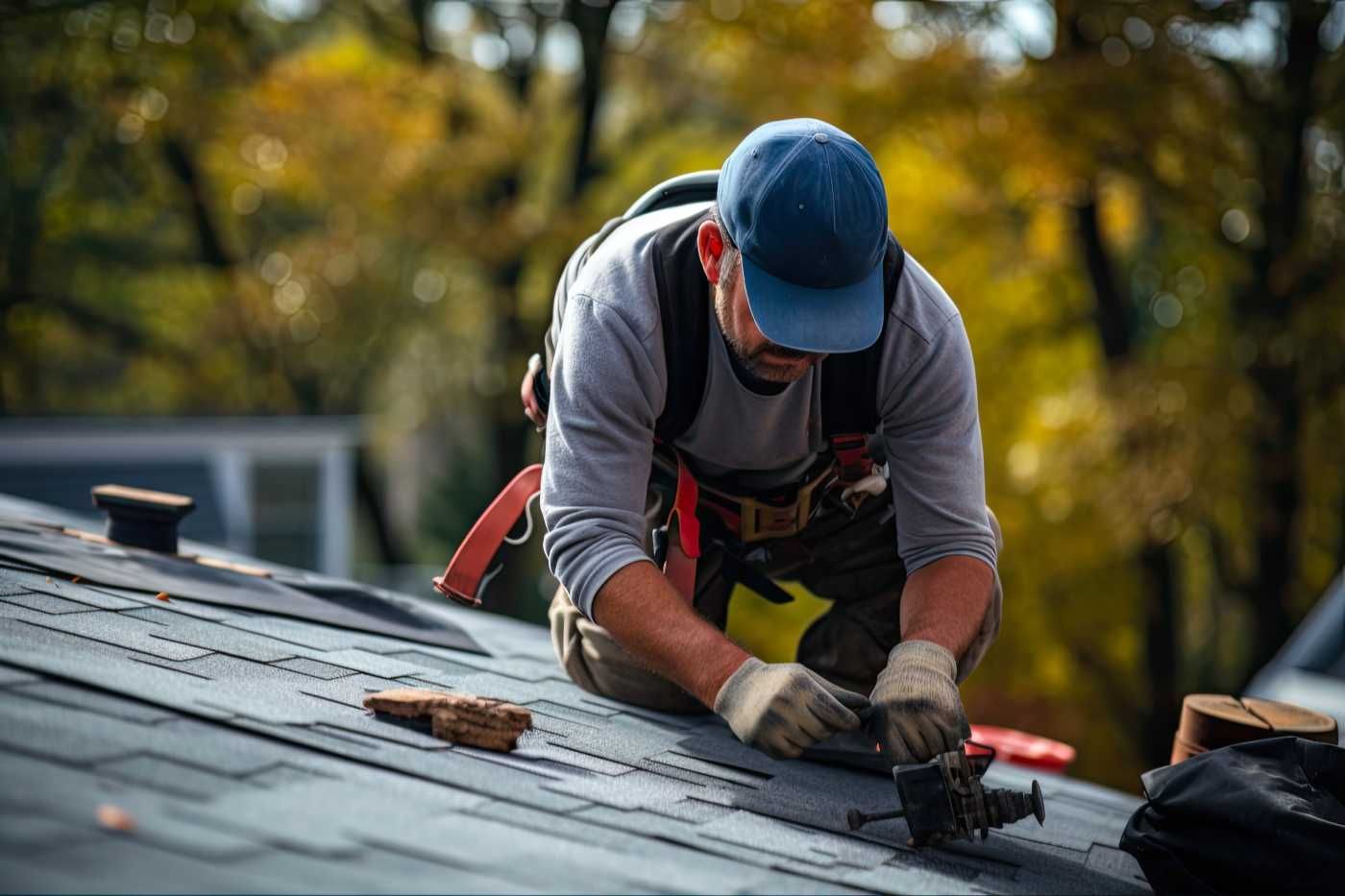 What To Do After a Hailstorm
1. Inspect Your Roof
- Begin by visually inspecting the roof from the ground, looking for any visible signs of damage such as missing shingles or dents.
- Utilize binoculars to get a closer look at areas that may be harder to see from the ground.
- Climb onto the roof carefully - if it's possible to do it safely - to conduct a more thorough inspection.
- Check for dents, bruises, cracks, or any other indications of damage on the shingles.
- Look for any loss of granules, which can expose the underlying layers of the shingles.
- Inspect for leaks or water damage in the attic or ceiling.
2. Document the Damage
- Take photos or videos of the damage from multiple angles, capturing close-ups and wide shots.
- Make detailed notes of the date, time, and location of the storm, as well as any visible signs of damage.
- Measure and record the size of any dents, cracks, or missing shingles.
- Keep track of any leaks or water damage inside your home.
- Save any receipts or invoices related to temporary repairs or accommodations.
3. Contact Your Insurance Company
contact your insurance company
- Document the damage by taking photos or videos of the affected areas.
- Inspect your roof thoroughly to assess the extent of the damage.
- Call your insurance company's claims department and provide them with all the necessary information, including the documentation you collected.
- Provide any additional information or documentation requested by your insurance company.
- Follow the instructions given by your insurance company for scheduling an adjuster to assess the damage.
- While waiting for the adjuster, take temporary measures to prevent further damage, such as covering any exposed areas with tarps.
- Be prepared to discuss the damage and its impact on your roof's structural integrity during the adjuster's visit.
- After the adjuster's assessment, work with your insurance company to settle the claim and arrange for repairs.
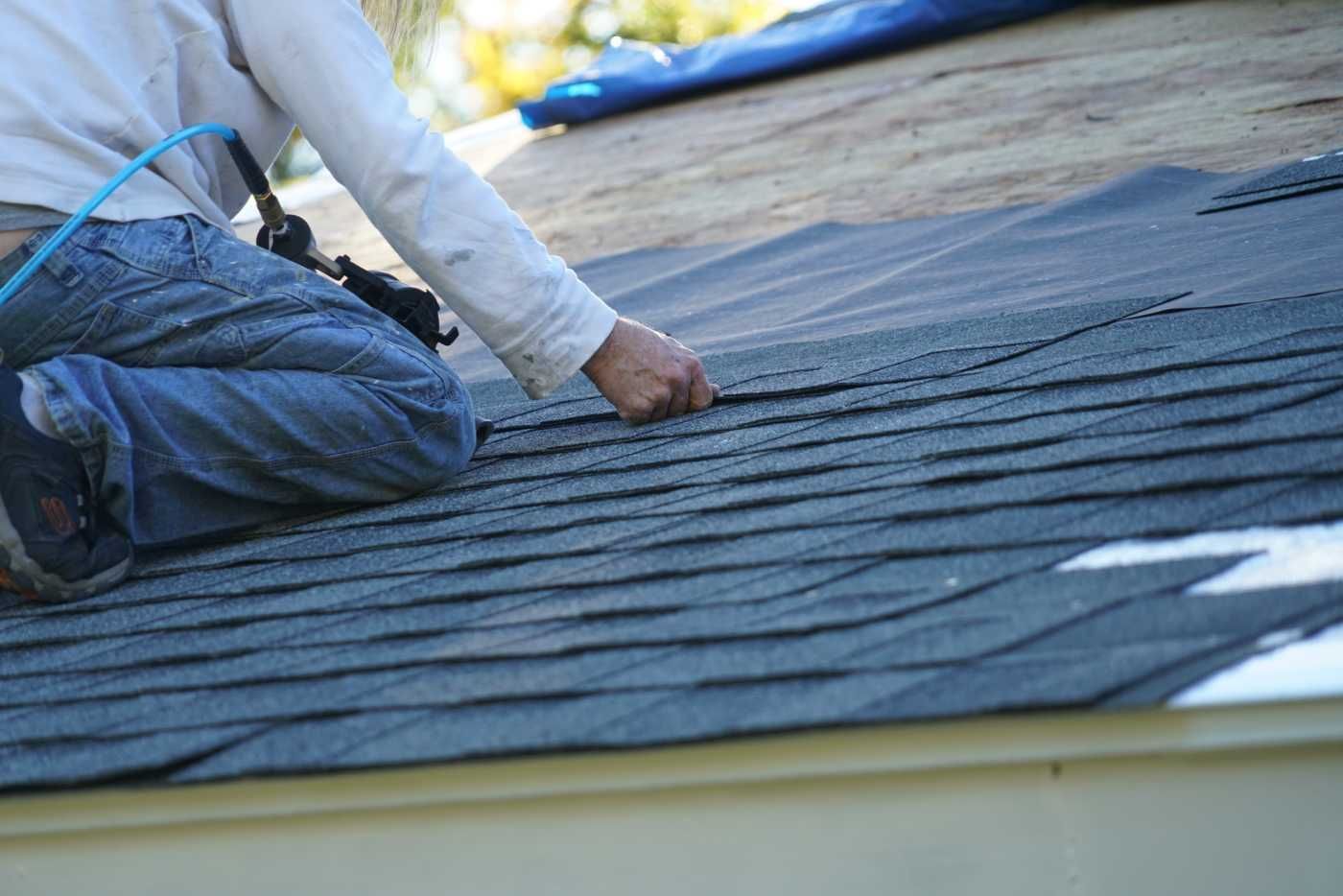 How to Repair Hail Damage on Roofs - More Detailed Step-by-Step
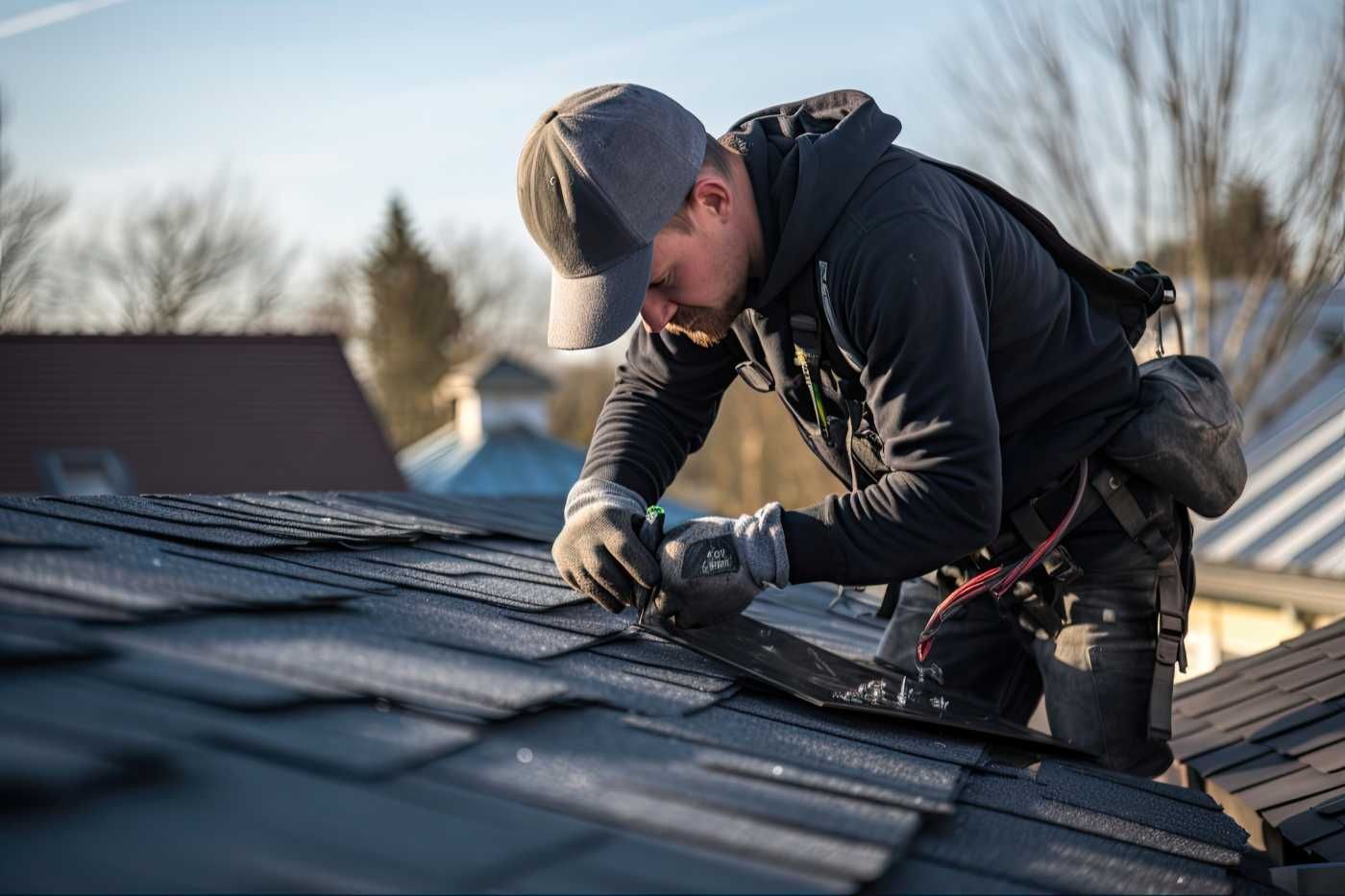
1. Replace Damaged Shingles
- Inspect the damaged area to assess the extent of the shingle damage.
- Remove the damaged shingles carefully, starting from the top.
- Clean the area underneath the removed shingles to ensure a smooth surface for the new shingles.
- Cut replacement shingles to fit the size and shape of the damaged area.
- Install the new shingles, starting from the bottom and working your way up, using nails or roofing adhesive.
- Secure the new shingles in place and make sure they align properly with the surrounding shingles.
- Check for any gaps or loose edges, and make any necessary adjustments to ensure a tight seal.
- Inspect the entire roof for any other potential damage or issues.
2. Repair Leaks or Water Damage
- Identify the leaks or areas with water damage by thoroughly inspecting the roof.
- Remove any damaged shingles or roofing materials that are causing the leaks.
- Repair the underlying structure if water damage has occurred, such as replacing damaged plywood or reinforcing weakened areas.
- Apply a waterproof sealant or roofing cement to the repaired areas to prevent future leaks.
- Consider hiring a professional roofing contractor if the damage is extensive or if you are unsure about the repairs.
3. Consider a Full Roof Replacement
- Assess the Damage: Hire a professional roofing contractor to inspect the extent of the hail damage.
- Get Estimates: Obtain multiple estimates from reputable roofing companies to compare prices and services.
- Choose Materials: Select the roofing materials that best suit your budget, preferences, and durability needs.
- Hire a Contractor: Research and hire an experienced contractor who specializes in roof replacements.
- Obtain Permits: Check local regulations and obtain any necessary permits for the roof replacement project.
- Prepare the Property: Clear the area around your home and protect any valuable items during the roof replacement.
- Remove Old Roofing: The contractor will remove the existing damaged roof and dispose of the materials properly.
- Install New Roof: The new roof will be installed according to industry standards and manufacturer guidelines.
- Inspect and Clean Up: Once the roof replacement is complete, conduct a thorough inspection and ensure the area is clean.
 How to Prevent Hail Damage on Roofs
1. Install Impact-Resistant Shingles
impact-resistant shingles
- Assess your roof: Begin by determining the type and condition of your current shingles.
- Research shingle options: Look for shingles that meet industry standards for impact resistance.
- Hire a professional: It is recommended to hire a qualified roofing contractor for the installation process.
- Remove old shingles: Carefully strip off the existing shingles.
- Prepare the roof: Repair any underlying damage and ensure a clean surface for installation.
- Install underlayment: Apply a protective layer beneath the shingles to provide additional protection.
- Place impact-resistant shingles: Follow the manufacturer's instructions for proper installation of the shingles.
- Secure shingles: Use nails or other fasteners to securely attach the shingles to the roof.
- Inspect and maintain: Regularly check your roof for any signs of damage and perform routine maintenance to ensure its longevity.
2. Trim Trees Near Your Roof
- Identify trees near your roof that could potentially cause damage during a hailstorm.
- Hire a professional tree trimmer to safely remove any overhanging branches or limbs that could fall onto your roof.
- Regularly prune the trees to maintain a safe distance from your roof.
- Consider removing any trees that pose a significant risk due to their proximity to your roof.
3. Regularly Inspect and Maintain Your Roof
- Perform regular visual inspections of your roof, looking for any signs of damage such as missing or cracked shingles.
- Check for loose or damaged flashing around chimneys, vents, and skylights.
- Clean out gutters and downspouts to prevent clogging and water damage.
- Trim any overhanging branches or trees that could potentially fall onto your roof during a hailstorm.
- Consider hiring a professional roofing contractor to conduct a thorough inspection every few years to catch any hidden issues.
Frequently Asked Questions
1. What is hail damage roof repair?
2. How do I know if my roof has hail damage?
3. Can hail damage be fixed or do I need a new roof?
4. How long does hail damage roof repair take?
5. Will my insurance cover hail damage roof repair?
6. How can I prevent hail damage to my roof?
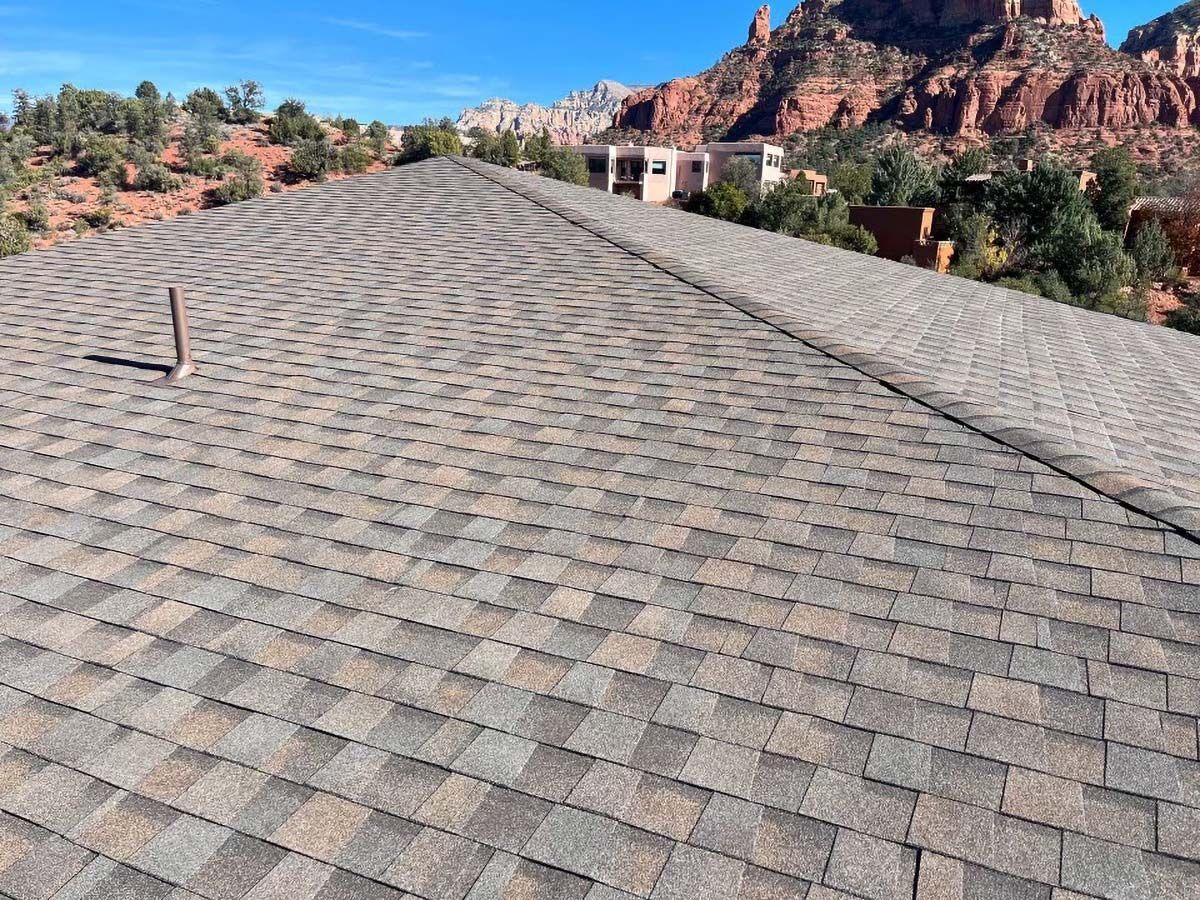
Sedona New Year roof checkup: quick signs to spot, what to notice inside, and when to book a professional roof inspection.
Holiday weather has a way of showing up at the worst time. People are traveling. Family is in town. The house is busy. And if your roof has a weak spot, that’s when you notice it. Most winter roof lea…
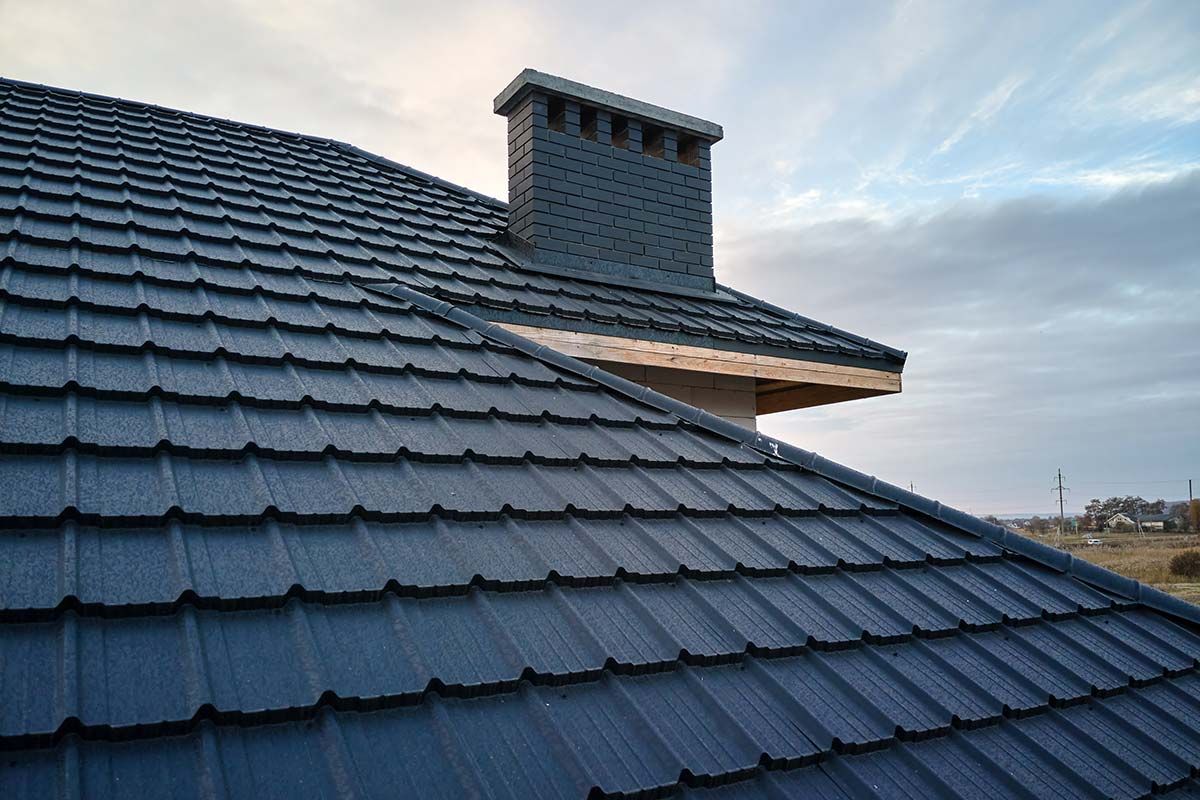
A metal shingle roof is a metal roof that goes on in small pieces, not long panels. The shingles overlap as they’re installed, and many systems are made to lock together so the surface stays tight in …

Winter in the Verde Valley isn’t “snow country,” but it’s also not Phoenix. We get cold nights, the occasional dusting, and quick weather swings. Sedona sits up around 4,500–4,800 feet, so freeze-thaw…
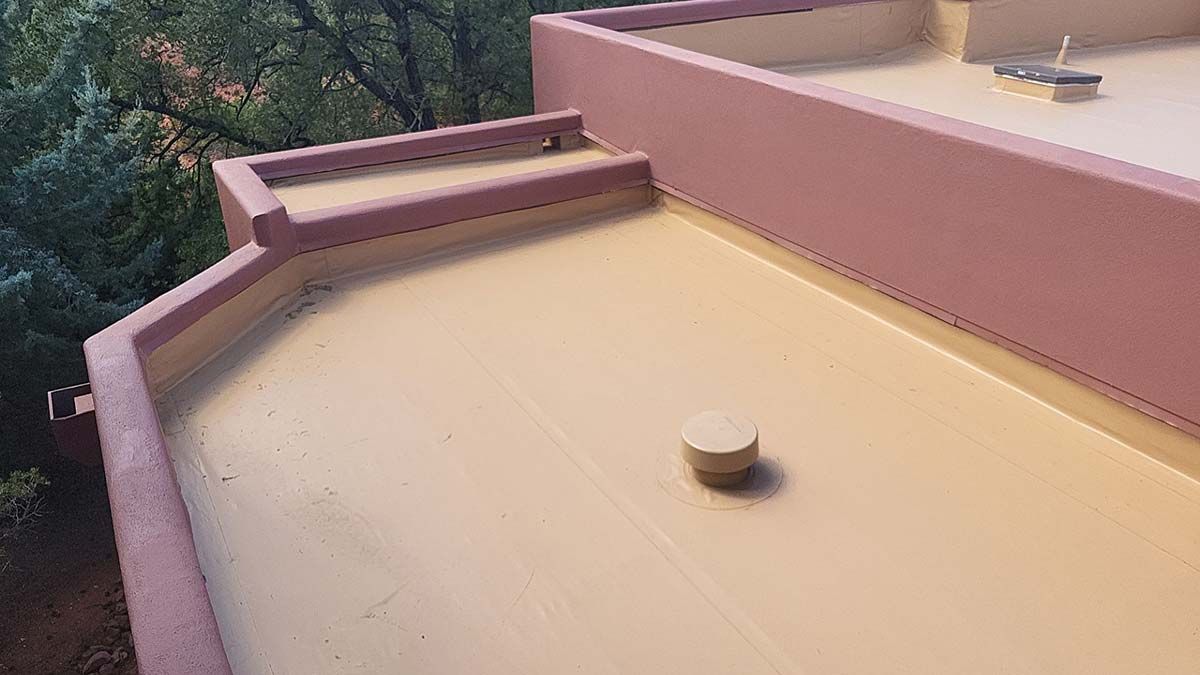
Flat roofs do well in Arizona, but winter is when small drainage issues turn into real headaches. It is rarely one big event. It is usually a slow backup at a scupper. A drain that runs fine until lea…
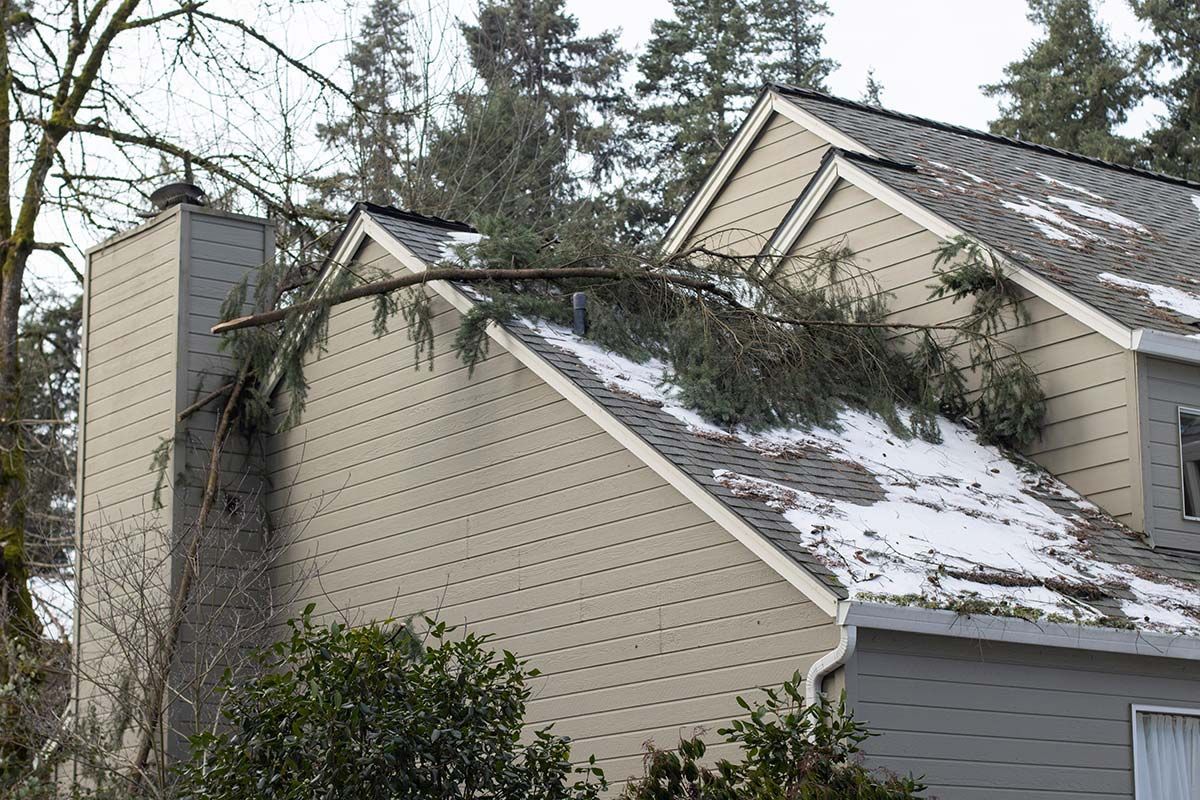
Winter roof preparation: roof maintenance, gutter repair, shingle check and leak prevention for Arizona homes ready for the winter months.
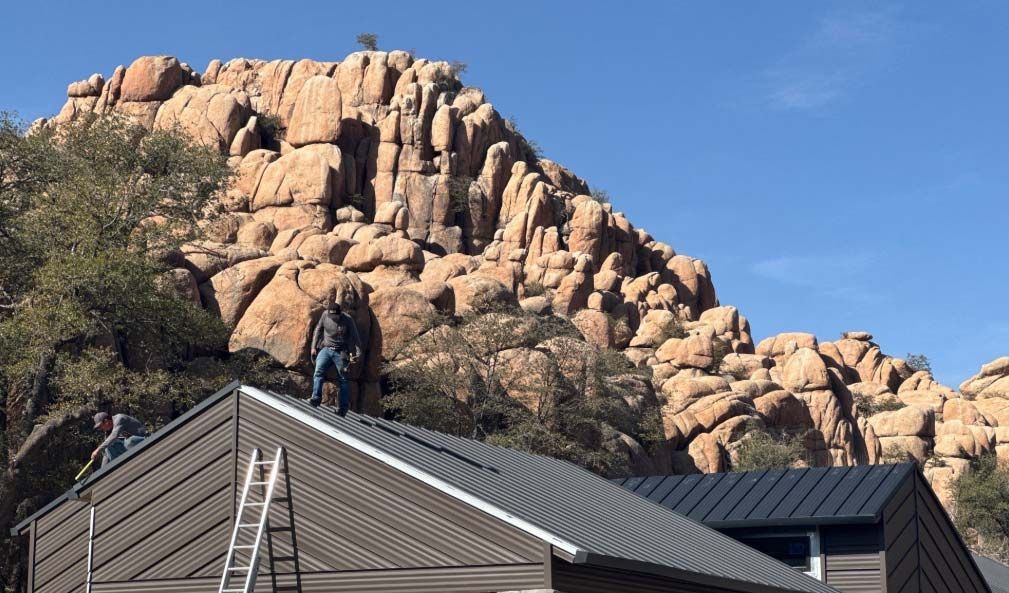
Fall roof maintenance tips for Cottonwood, Arizona homeowners—inspect, clean, and prepare your roof before winter rain and cold set in.
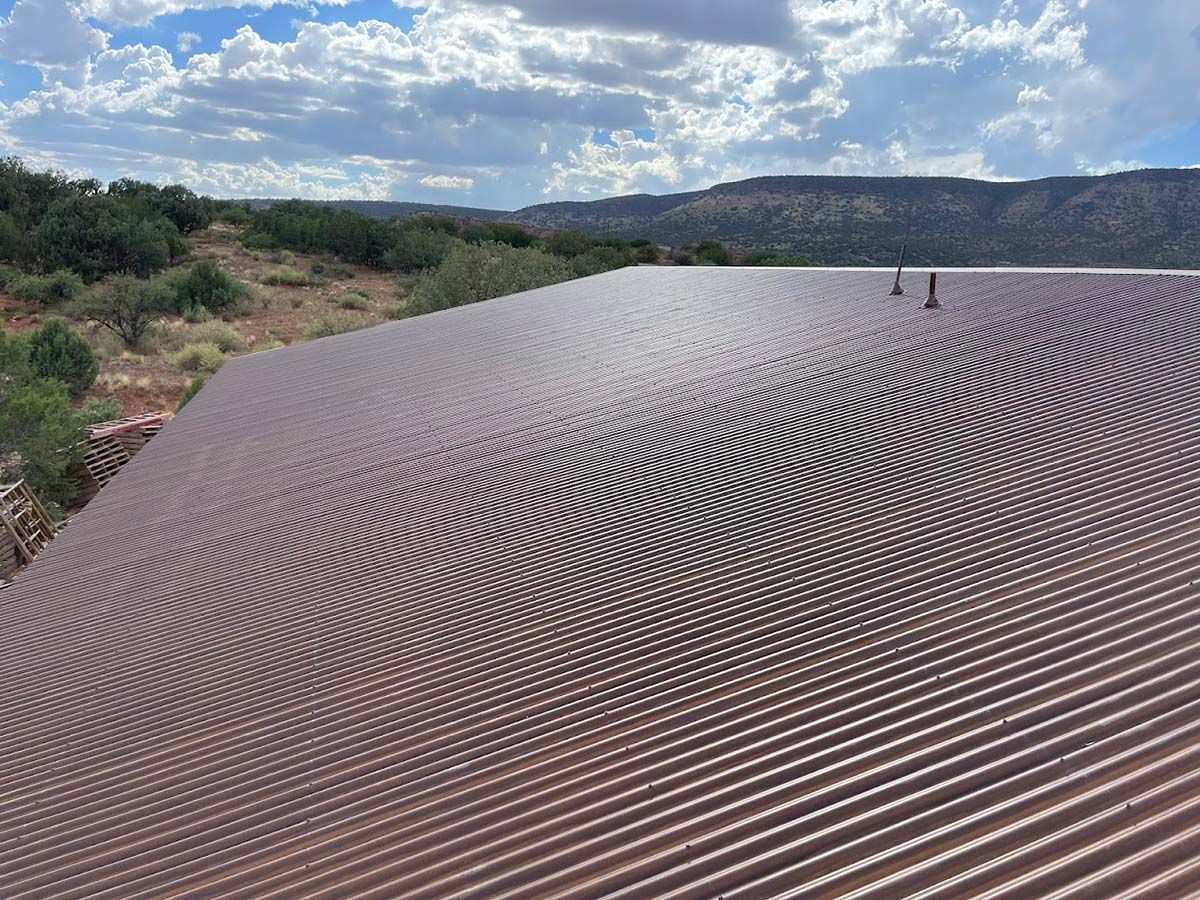
Discover how metal roofs handle Arizona’s extreme heat, monsoons, and hail. Learn why metal roofing is the best choice for homes in Sedona, Prescott, and Cottonwood.
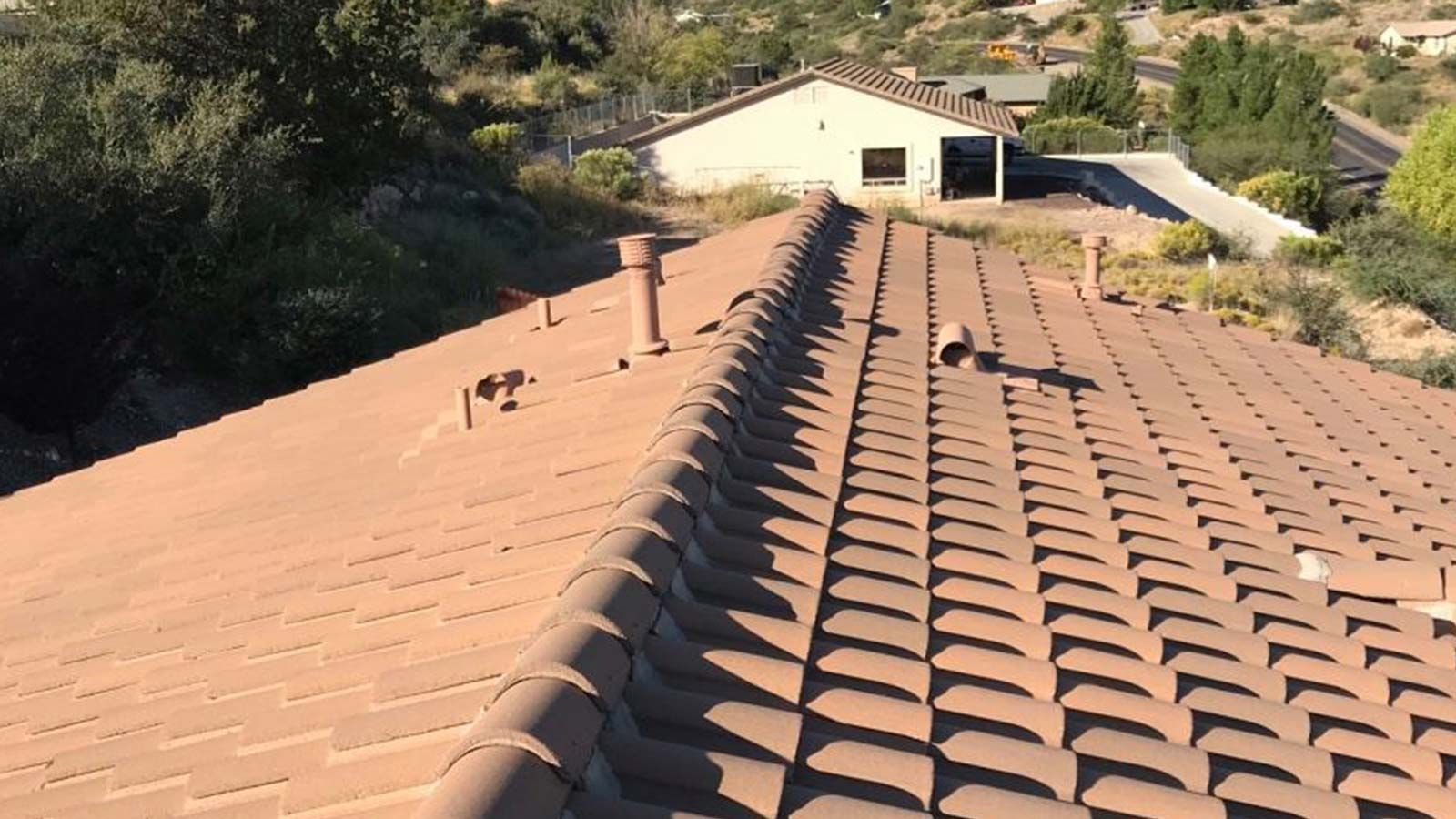
Get your roof ready for autumn in Cottonwood with these expert fall roofing tips. Learn about inspections, debris clearing, attic ventilation, and more!

Wondering if a metal roof is worth it? Compare metal roofs vs. asphalt shingles for Arizona homes, including costs, durability, energy efficiency, and maintenance.