
Squirrels in the Roof: A DIY Guide to Swift Resolution
December 12, 2023
 What Are Squirrels?
Where Do Squirrels Live?
Why Are Squirrels Attracted to Roofs?
1. Shelter
- Inspect your roof for any openings such as gaps or holes that may serve as entry points for squirrels.
- Seal these openings using materials like wire mesh or caulking to prevent squirrels from entering.
- Consider trimming tree branches near the roof to make it more difficult for squirrels to access it.
2. Food Sources
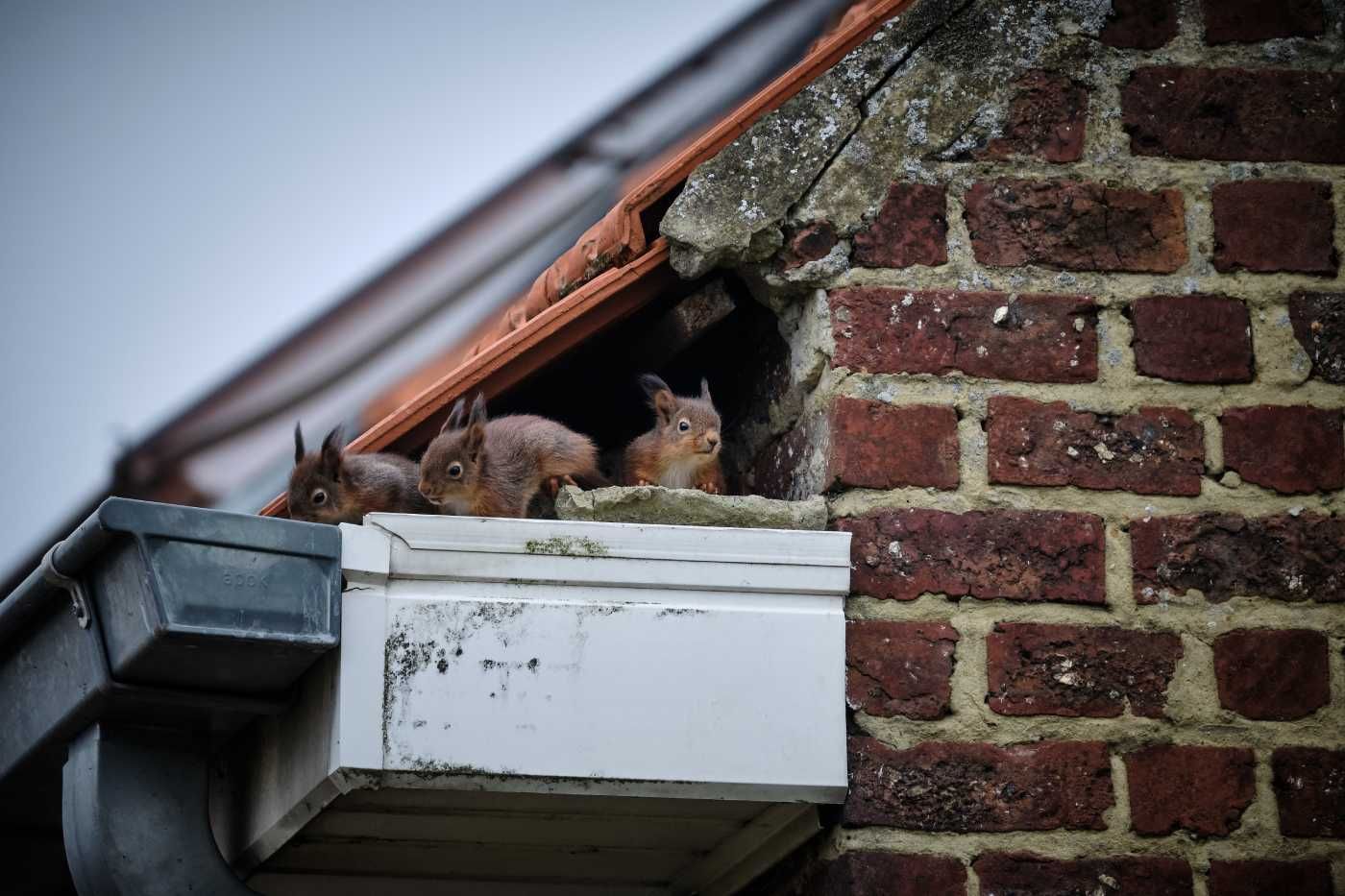 What Are the Signs of Squirrels in the Roof?
1. Scratching and Chewing Noises
- Confirm the presence of squirrels by listening for the distinctive scratching and chewing sounds.
- Locate their entry points by inspecting the roof for any gaps, holes, or damaged areas.
- Set up traps or use deterrents like bright lights or ultrasonic devices to discourage squirrels from staying in the roof.
- Contact a professional wildlife removal service to safely and humanely remove the squirrels.
- Seal off all entry points to prevent future squirrel infestations.
- Trim trees and branches that provide easy access to the roof.
- Remove any potential food sources like bird feeders or open garbage cans near the house.
2. Visible Damage to Roof or Siding
- Inspect the roof and siding for noticeable signs of damage, such as chewed or gnawed areas.
- Look for holes or gaps in the roof or siding where squirrels may have entered.
- Check for any missing or loose shingles or siding that could be a result of squirrel activity.
- Examine the attic or crawl space for signs of nesting materials, such as twigs or leaves.
- Consult with a professional roofer or wildlife removal expert to assess the extent of the damage and develop a plan for repairs.
3. Droppings and Nests
- Inspect the attic or roof for squirrel droppings, which are typically small and cylindrical in shape.
- Look for nests made of leaves, twigs, and other materials. These nests are often found in corners, rafters, or insulation.
- Be cautious when handling droppings, as they may carry diseases. Wear protective gloves and a mask.
- Clean up the droppings using a vacuum cleaner or damp cloth, and dispose of them properly.
- Remove any nests found, making sure there are no live squirrels inside.
- Seal off entry points to prevent reentry and potential nesting.
 How to Remove Squirrels from the Roof?
1. Identify the Entry Points
- Inspect the exterior of your home for any gaps, holes, or cracks that squirrels could use to gain entry.
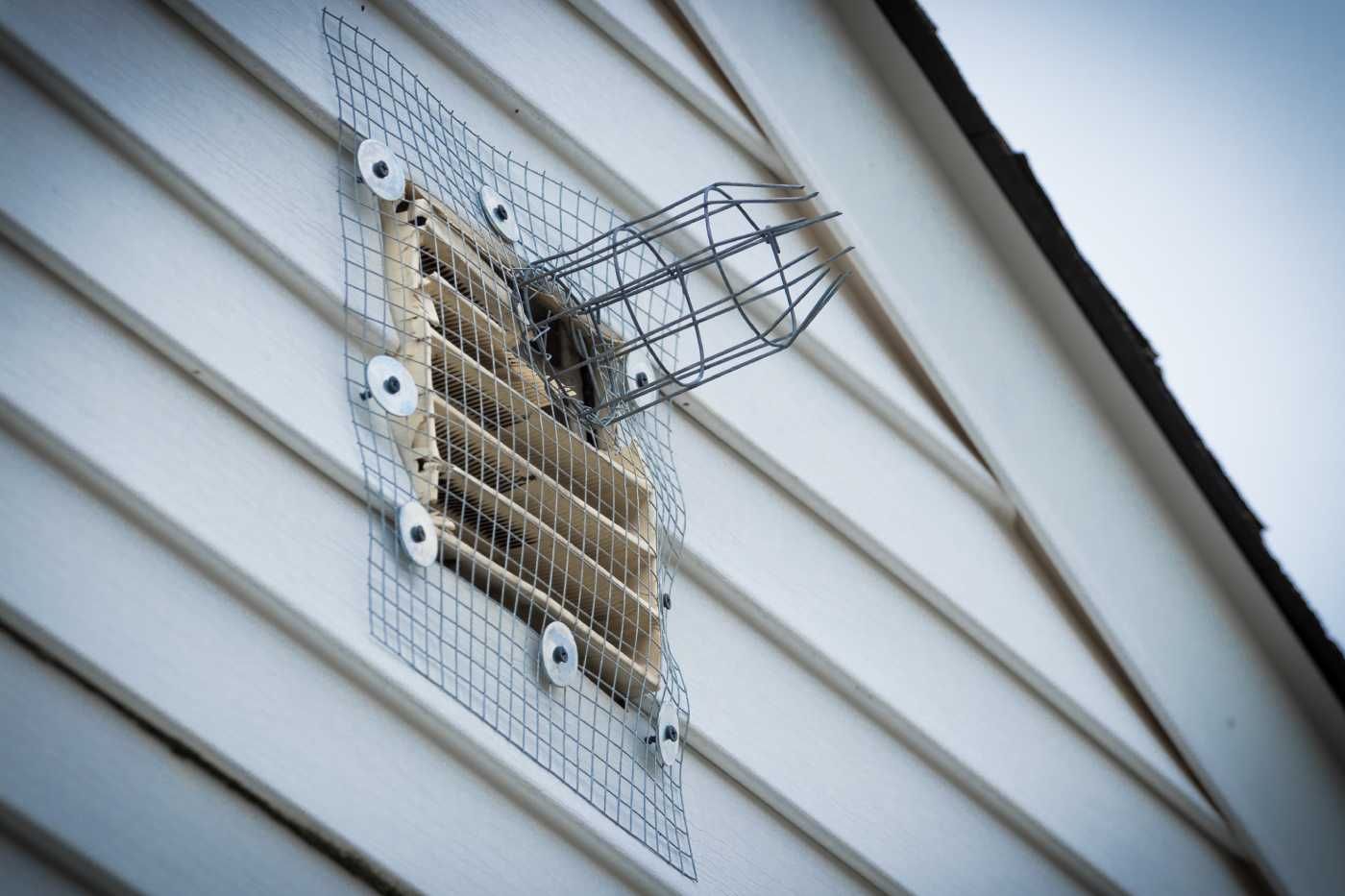
- Check areas around vents, chimneys, and pipes, as these are common entry points for squirrels.
- Look for chewed or damaged areas, as squirrels can gnaw through weak spots to create openings.
- Observe any signs of squirrel activity, such as droppings, nests, or scratching noises, which can help locate entry points.
- Use a flashlight to search for hidden entry points in dark and hard-to-reach areas.
- Mark identified entry points for further action, such as sealing or installing exclusion devices.
2. Use Traps
- Identify the entry points where squirrels are accessing the roof.
- Strategically place traps near these entry points, ensuring easy access for the squirrels.
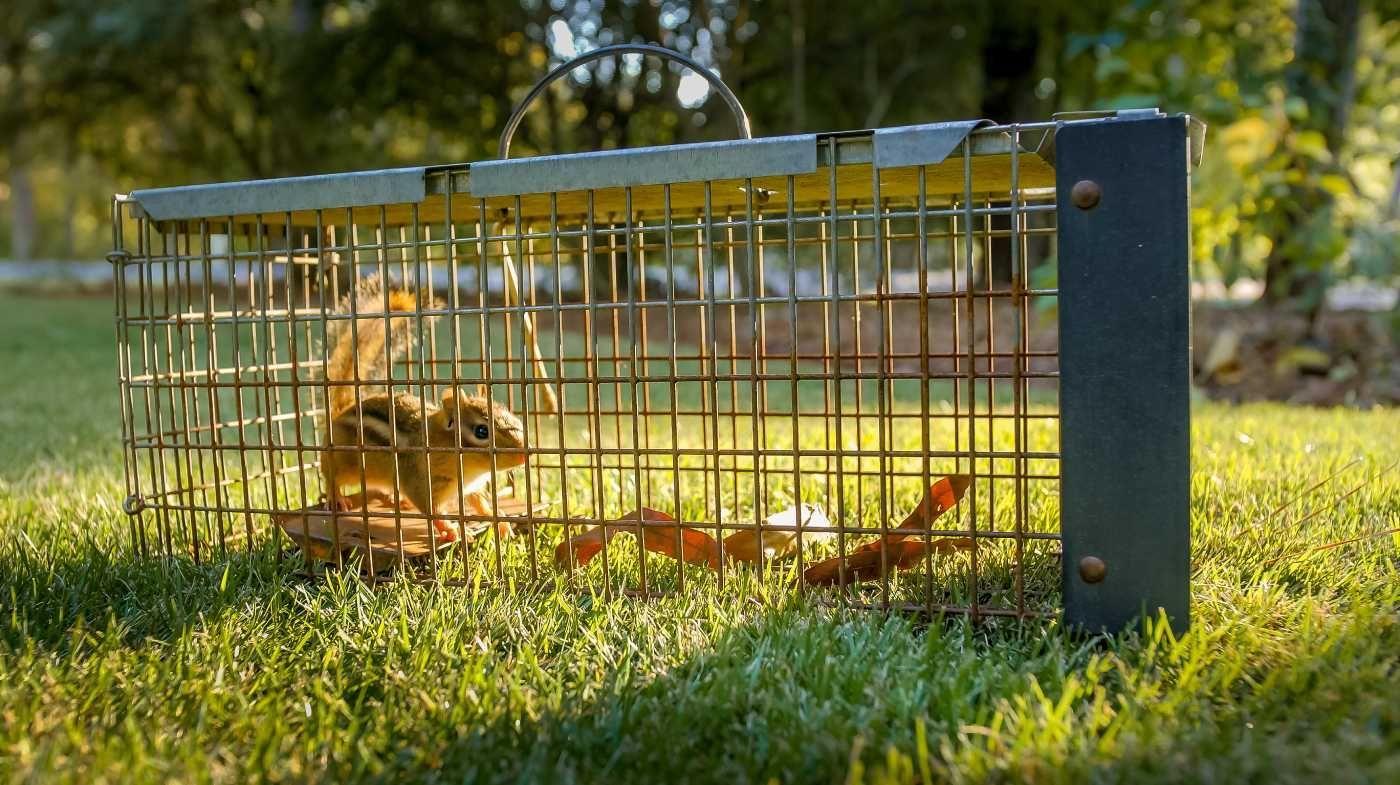
- Utilize humane traps that capture squirrels safely and without causing harm.
- Consider using bait, such as nuts or seeds, to attract the squirrels to the traps.
- Regularly check the traps and promptly remove any captured squirrels.
- Release the trapped squirrels in a secure and suitable location away from your home.
3. Call a Professional
- Research: Look for reputable wildlife control companies with experience in squirrel removal.
- Get multiple quotes: Contact several professionals to compare prices and services.
- Be sure the company is insured and holds the necessary licenses: Ask for proof of insurance and licensing to guarantee the professionalism and legitimacy of the company.
- Schedule an inspection: Have the professional assess the extent of the squirrel infestation and identify entry points.
- Discuss removal options: Consult with the professional about the most suitable and humane removal methods.
- Set a date for removal: Agree upon a date and time for the professional to carry out the removal process.
- Follow-up measures: Inquire about preventive measures to avoid future squirrel intrusions.
How to Prevent Squirrels from Entering the Roof?
1. Seal Entry Points
- Inspect your roof and identify any holes or gaps where squirrels can enter.
- Cover the openings with durable materials such as steel mesh or hardware cloth.
- Use caulk or expanding foam to seal gaps around vents, pipes, and cables.
- Trim any tree branches that are close to the roof to limit access points for squirrels.
- Secure any loose or damaged roof shingles to prevent squirrels from lifting them.
- Regularly check for new entry points and promptly seal them to maintain a squirrel-free roof.
2. Trim Trees and Branches
- Identify any overhanging trees and branches that could provide access to your roof.
- Trim the branches, making sure there is a minimum distance of 6 to 8 feet between them and your roof.
- Prune any tree limbs that are near your house, creating a barrier that will prevent squirrels from easily crossing.
- Remove any fallen or decaying branches from around your house, as they can attract squirrels.
- Regularly maintain and trim your trees to avoid them becoming a bridge for squirrels to reach your roof.
3. Remove Food Sources
- Secure garbage bins with tight-fitting lids.
- Keep bird feeders away from the house or use squirrel-proof feeders.
- Store pet food indoors.
- Trim branches near the roof to prevent squirrels from accessing it.
- Install metal mesh around attic vents and other openings.
 What to Do if a Squirrel is Trapped in the Roof?
1. Call Animal Control
- Get in touch with your local animal control agency or a wildlife removal service.
- Provide them with specific details about the trapped squirrel and its location.
- Follow any instructions given by the animal control officer.
Fact:
2. Use a One-Way Door
- Identify the entry point where the squirrels are entering and exiting the roof.
- Install a one-way door over the entry point, ensuring it only allows squirrels to exit and not re-enter.
- Monitor the entry point for a few days to ensure all squirrels have left.
- Once you are confident there are no more squirrels, permanently seal the entry point to prevent any future access.
3. Release the Squirrel Safely
- Assess the situation and ensure that the squirrel is not injured or stressed.
- Using gloves, gently capture the squirrel, being careful to avoid bites or scratches.
- Release the squirrel in a secure area away from your home, such as a nearby park or wooded area.
Frequently Asked Questions
What should I do if I have a squirrel in my roof?
How do I know if there is a squirrel in my roof?
Why do squirrels like to live in roofs?
Can a squirrel in my roof cause damage?
How can I prevent squirrels from getting into my roof?
Is it safe to remove a squirrel from my roof myself?
Sedona New Year roof checkup: quick signs to spot, what to notice inside, and when to book a professional roof inspection.
Holiday weather has a way of showing up at the worst time. People are traveling. Family is in town. The house is busy. And if your roof has a weak spot, that’s when you notice it. Most winter roof lea…
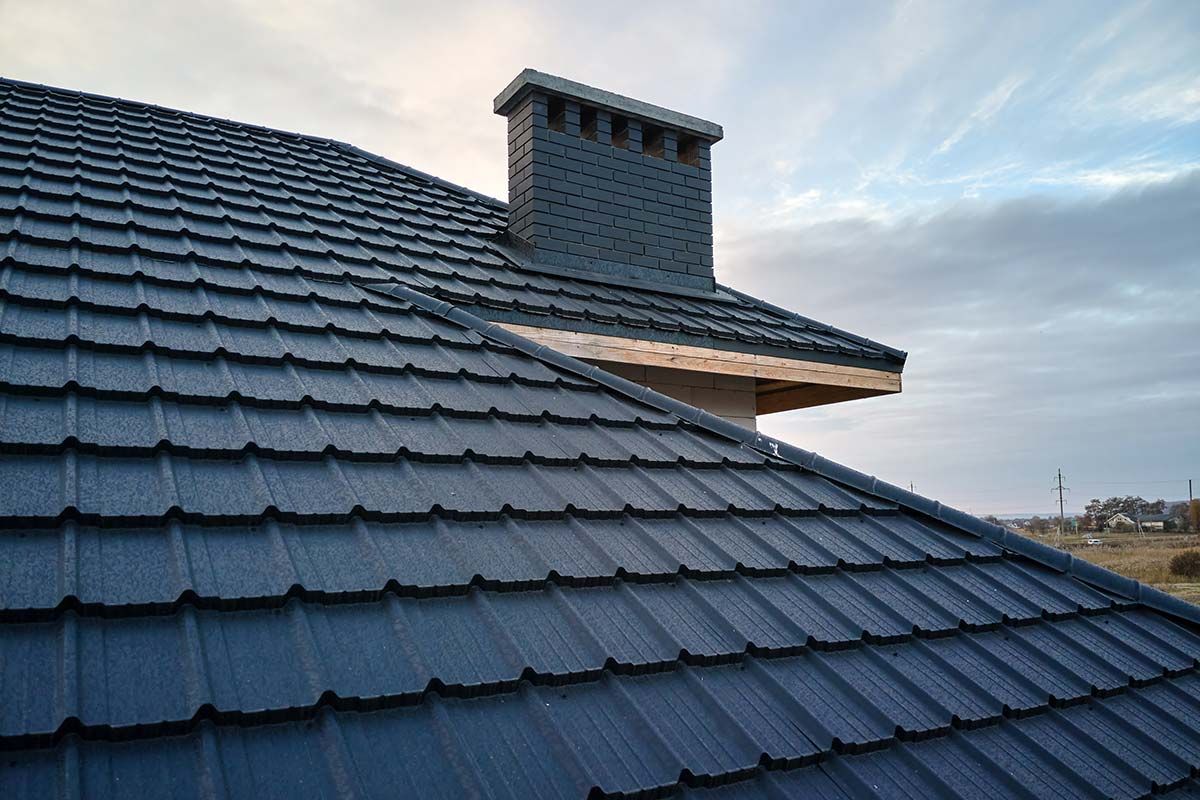
A metal shingle roof is a metal roof that goes on in small pieces, not long panels. The shingles overlap as they’re installed, and many systems are made to lock together so the surface stays tight in …
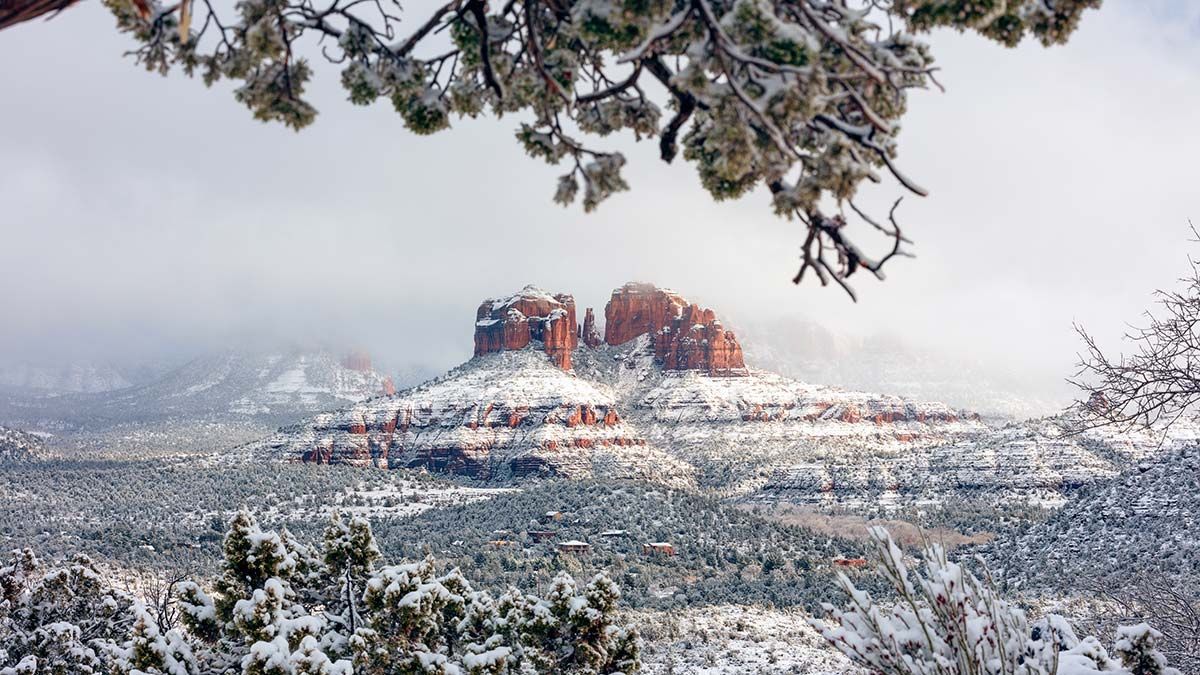
Winter in the Verde Valley isn’t “snow country,” but it’s also not Phoenix. We get cold nights, the occasional dusting, and quick weather swings. Sedona sits up around 4,500–4,800 feet, so freeze-thaw…
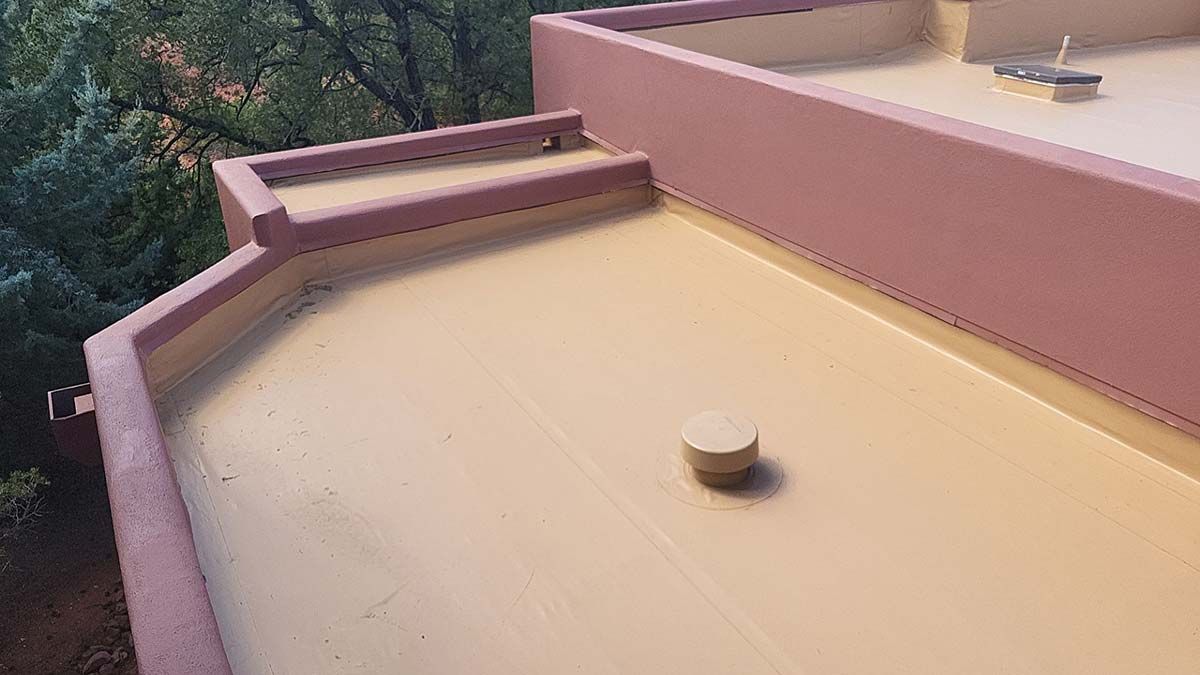
Flat roofs do well in Arizona, but winter is when small drainage issues turn into real headaches. It is rarely one big event. It is usually a slow backup at a scupper. A drain that runs fine until lea…
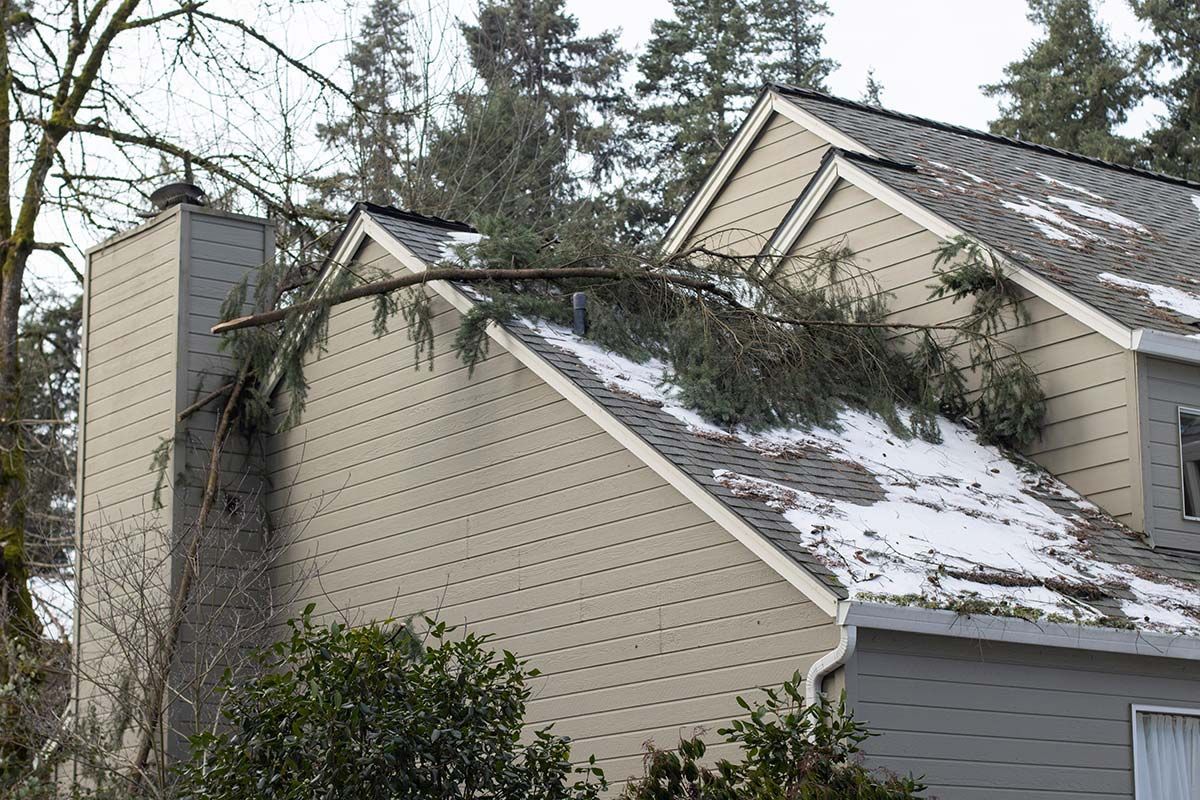
Winter roof preparation: roof maintenance, gutter repair, shingle check and leak prevention for Arizona homes ready for the winter months.
Fall roof maintenance tips for Cottonwood, Arizona homeowners—inspect, clean, and prepare your roof before winter rain and cold set in.
Discover how metal roofs handle Arizona’s extreme heat, monsoons, and hail. Learn why metal roofing is the best choice for homes in Sedona, Prescott, and Cottonwood.
Get your roof ready for autumn in Cottonwood with these expert fall roofing tips. Learn about inspections, debris clearing, attic ventilation, and more!
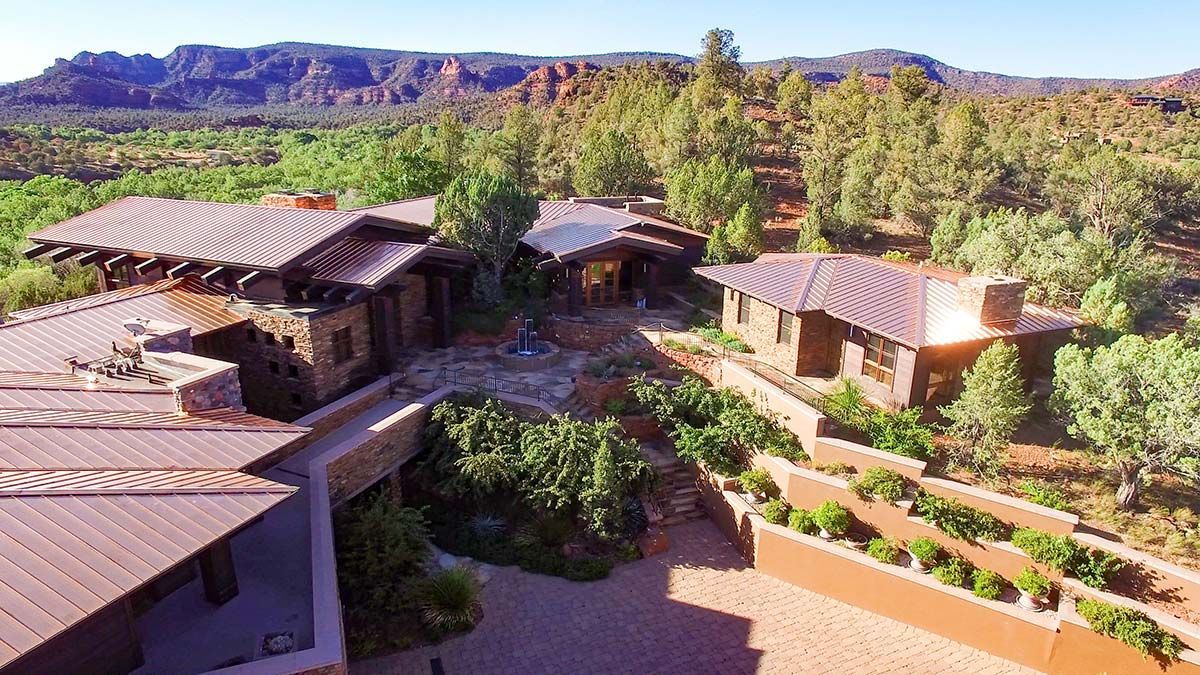
Wondering if a metal roof is worth it? Compare metal roofs vs. asphalt shingles for Arizona homes, including costs, durability, energy efficiency, and maintenance.