
Tile Trends: Exploring the Diversity of Roof Tiles Types
December 15, 2023
What Are Roof Tiles?
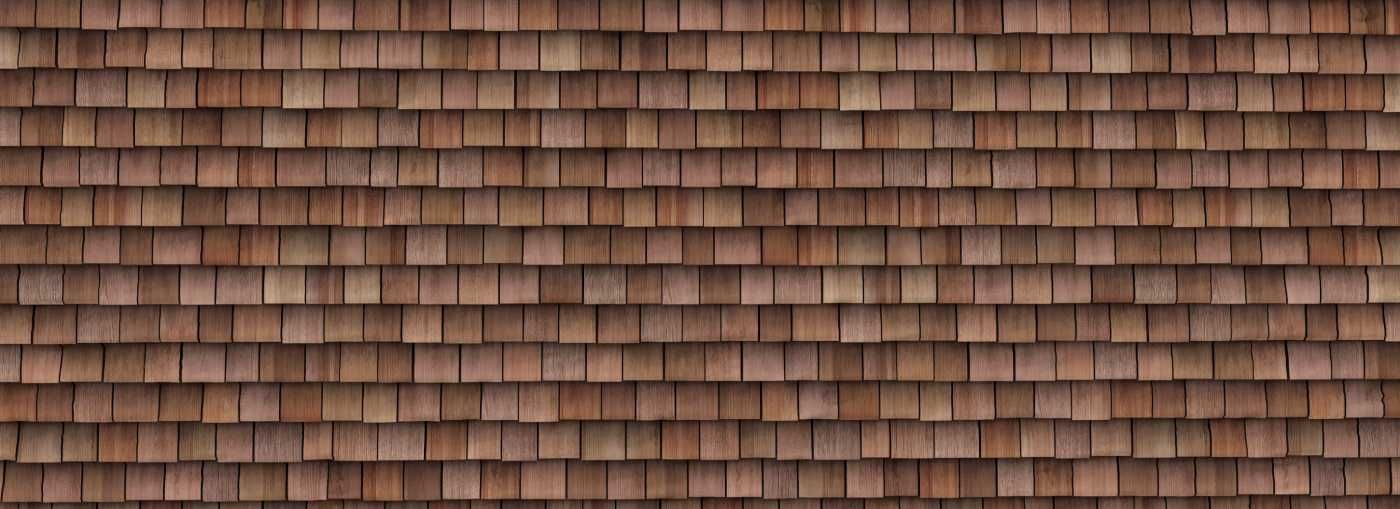 What Are The Different Types Of Roof Tiles?
1. Clay Tiles
- Regularly clean and remove debris to prevent buildup and potential water damage.
- Inspect for any cracks or damage and promptly replace any broken tiles.
- Seal and coat the tiles to protect them from weathering and UV damage.
- Perform regular inspections to catch any issues early and address them promptly.
Pro-tip:
2. Concrete Tiles
concrete tiles
3. Metal Tiles
- Cleaning and Removing Debris: Regularly clean the metal tiles to remove any dirt or debris that may accumulate on the surface.
- Replacing Damaged Tiles: If any of the metal tiles are damaged or dented, it is important to replace them promptly to prevent any further issues.
- Sealing and Coating: Applying a sealant or coating to the metal tiles can protect them from corrosion and extend their lifespan.
- Regular Inspections: It is recommended to conduct routine inspections of the metal tiles to identify any potential issues and address them in a timely manner.
4. Slate Tiles
- Longevity: Slate tiles have a lifespan of over 100 years, making them a long-term investment.
- Aesthetics: Slate tiles offer an elegant and timeless appearance, available in various colors and textures.
- Weather resistance: Slate tiles are highly resistant to extreme weather conditions, including wind, rain, and hail.
- Maintenance: Slate tiles require minimal maintenance, with periodic inspections and repairs as needed.
- Cost: While slate tiles may have a higher upfront cost, their longevity and durability offset the initial investment.
5. Composite Tiles
- Cleaning and Removing Debris: Regularly remove leaves, branches, and other debris from the roof to prevent moisture buildup and potential damage.
- Inspecting for Damage: Check for any cracked, loose, or missing composite tiles. Replace damaged tiles promptly to prevent further issues.
- Sealing and Coating: Apply a sealant or protective coating to the composite tiles to enhance their resistance to UV rays and weathering.
- Regular Inspections: Conduct routine inspections to identify any potential issues with the composite tiles and address them promptly.
6. Wood Shingle Tiles
- Clean and remove debris regularly to prevent moss or algae growth.
- Inspect the wood shingle tiles for any signs of damage, such as cracks or splits.
- If any tiles are damaged, it is important to promptly replace them to prevent water leaks.
- Seal and coat the shingles to protect them from moisture and UV damage.
7. Stone Coated Steel Tiles
- Cleaning and Removing Debris: It is important to regularly clean the tiles to prevent the buildup of dirt and debris, which can cause damage over time.
- Replacing Damaged Tiles: If any tiles become cracked or broken, it is crucial to promptly replace them to preserve the integrity of the roof.
- Sealing and Coating: Applying a protective sealant or coating can help enhance the longevity of the tiles.
- Regular Inspections: Conducting routine inspections is key to identifying any issues early on and addressing them promptly.
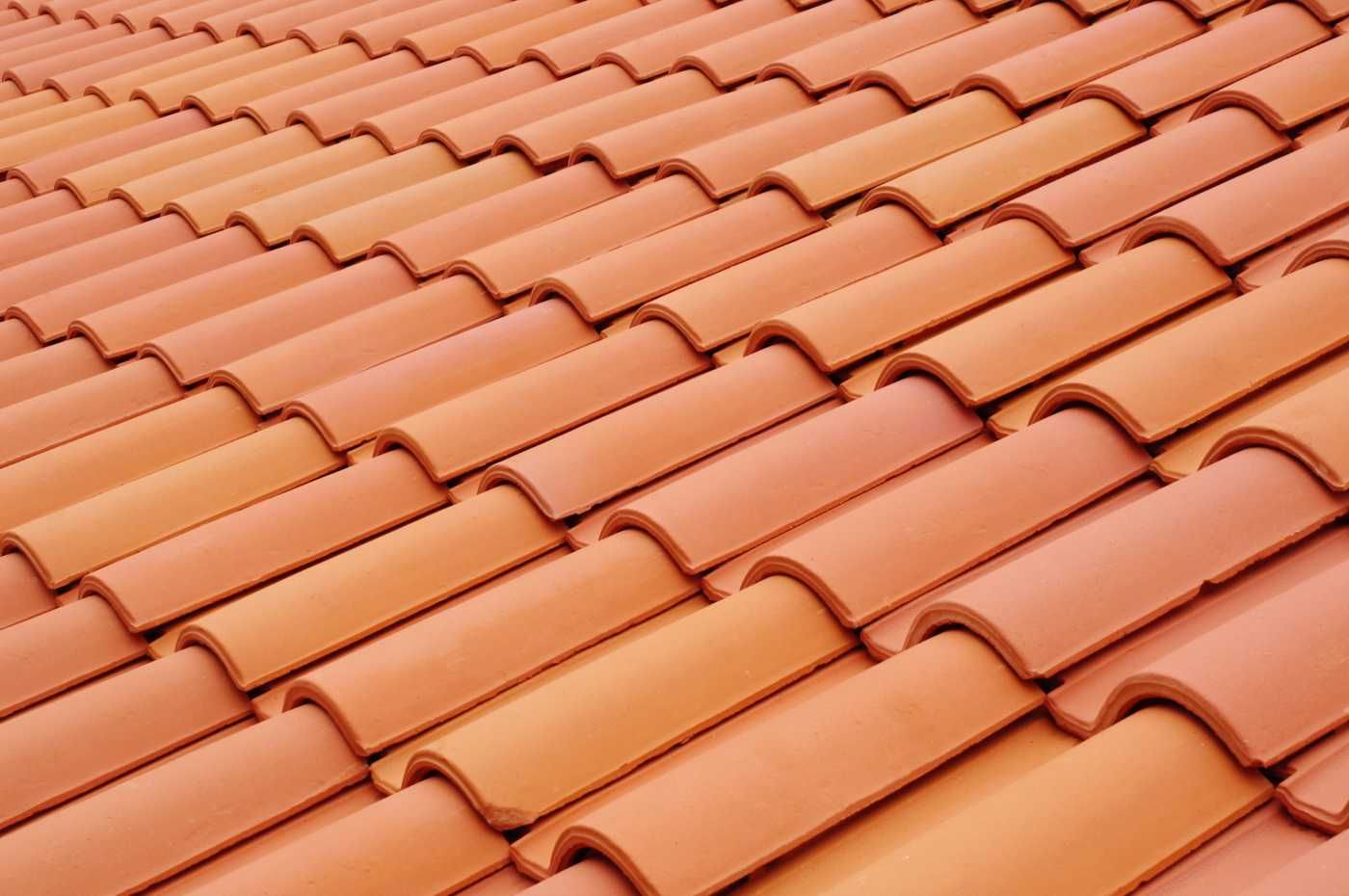 What Factors Should Be Considered When Choosing Roof Tiles?
1. Climate and Weather Conditions
- When choosing roof tiles, consider the climate and weather conditions of your location.
- If you live in a hot climate, opt for roof tiles that can withstand high temperatures and UV rays, such as concrete or metal tiles.
- In colder climates, choose roof tiles with good insulation properties, like slate or clay tiles.
- In areas prone to strong winds or hurricanes, select roof tiles with high wind resistance, like stone-coated steel tiles.
- For regions with heavy rainfall, look for roof tiles that are waterproof and have good drainage capabilities.
- If you live in an area with frequent hailstorms, choose roof tiles that are impact-resistant, such as composite or metal tiles.
2. Aesthetics
- Color: Choose a color that complements the architectural style of your home and blends well with the surrounding environment.
- Texture: Think about the texture of the tiles and decide whether you prefer a smooth or rough surface.
- Shape: Different tile shapes, such as flat, curved, or interlocking, can create unique visual effects.
- Pattern: Explore various patterns, such as diagonal, herringbone, or staggered, to add visual interest to your roof.
- Material: Each type of roof tile has its own aesthetic appeal, so select a material that aligns with your desired look.
3. Durability
- Choose high-quality materials like concrete or clay tiles, known for their durability.
- Regularly inspect and maintain your roof to identify and address any issues early.
- Keep the roof clean and free from debris to prevent damage and water accumulation.
- Repair any damaged tiles promptly to prevent further deterioration.
- Apply protective coatings or sealants to enhance the lifespan of the tiles.
4. Cost
5. Maintenance
- Cleaning and Removing Debris: It is important to regularly clean your roof to remove any leaves, dirt, and debris that can accumulate and potentially cause damage.
- Replacing Damaged Tiles: Be sure to inspect your roof for any cracked or broken tiles and promptly replace them to prevent water leakage.
- Sealing and Coating: Applying sealants or coatings can help protect your tiles from the elements and extend their lifespan.
- Regular Inspections: Conducting routine inspections is essential in identifying any issues early on and addressing them before they become bigger problems.
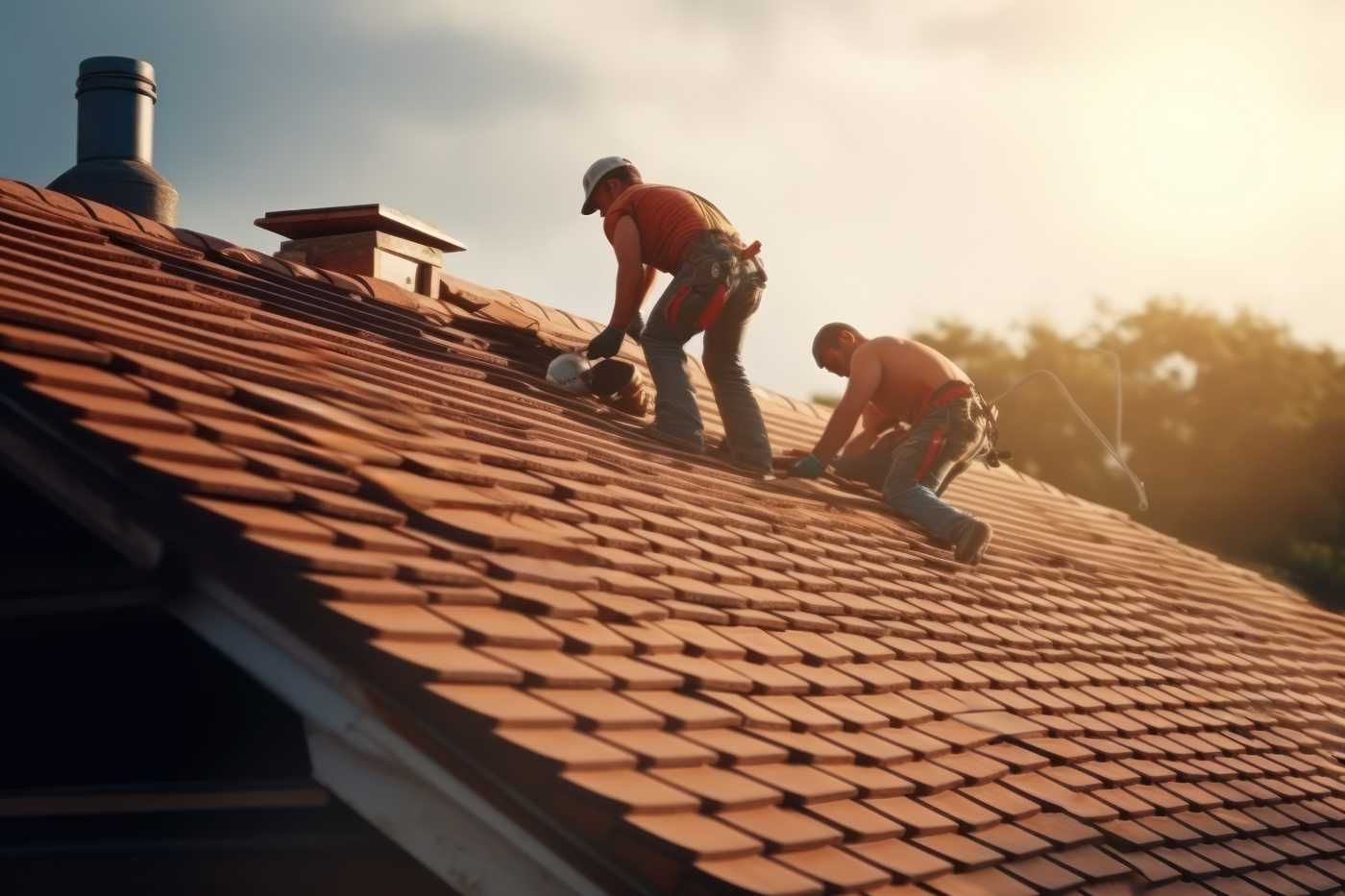 How To Maintain And Repair Different Types Of Roof Tiles
1. Cleaning and Removing Debris
- Inspect the roof for any loose or damaged tiles.
- Start by removing larger debris, such as branches or leaves, by hand or with a brush.
- Use a leaf blower or a soft-bristle brush to remove smaller debris, such as dirt or dust.
- If there are stubborn stains or algae growth, mix a solution of water and mild detergent. Apply it to the affected tiles and scrub gently with a soft brush.
- Rinse the tiles thoroughly with a hose or pressure washer, making sure to remove all soap residue.
- Inspect the roof again to ensure all debris has been removed.
2. Replacing Damaged Tiles
- Inspect the damaged area and identify the specific tiles that need to be replaced.
- Carefully remove the damaged tiles using a pry bar or similar tool.
- Clean the area where the tiles were removed, removing any debris or loose material.
- Measure the dimensions of the replacement tiles needed and purchase new tiles that match the existing ones.
- Apply a layer of roofing cement or adhesive to the back of the replacement tile.
- Carefully slide the replacement tile into place, ensuring it aligns properly with the surrounding tiles.
- Press down firmly to secure the replacement tile in place.
- Once all the damaged tiles have been replaced, inspect the area for any remaining issues or loose tiles.
- Apply a layer of roof sealant or coating to protect the tiles and prevent future damage.
3. Sealing and Coating
- Clean the tiles thoroughly to remove any dirt or debris that may interfere with the sealing process.
- Repair any cracks or damage on the tiles before applying the sealant.
- Select an appropriate sealant or coating based on the type of roof tile and the desired level of protection.
- Apply the sealant evenly and in accordance with the manufacturer's instructions, using a brush or roller.
- Allow the sealant to dry completely before applying an additional coat if necessary.
- Regularly inspect and maintain the sealed roof tiles to ensure the integrity of the coating.
4. Regular Inspections
- Start by visually examining the roof tiles for any visible signs of damage, such as cracks, chips, or missing tiles.
- Inspect the flashings around chimneys, vents, and skylights to ensure they are properly sealed and in good condition.
- Check for any signs of water infiltration or leakage, such as water stains on the ceiling or walls.
- Examine the gutters and downspouts to ensure they are clear of debris and functioning properly.
- Inspect the attic for any signs of water damage or moisture, as this can indicate a problem with the roof tiles.
- Look for any signs of pest infestation, such as droppings or nests, as pests can cause damage to roof tiles.
- Document any issues or concerns and consult with a professional roofer if necessary.
Frequently Asked Questions
What are the different types of roof tiles?
What are the advantages of clay roof tiles?
Are concrete roof tiles a good option?
What are the benefits of slate roof tiles?
What is the lifespan of metal roof tiles?
What type of roof tile is best for a traditional aesthetic?
Sedona New Year roof checkup: quick signs to spot, what to notice inside, and when to book a professional roof inspection.

Holiday weather has a way of showing up at the worst time. People are traveling. Family is in town. The house is busy. And if your roof has a weak spot, that’s when you notice it. Most winter roof lea…
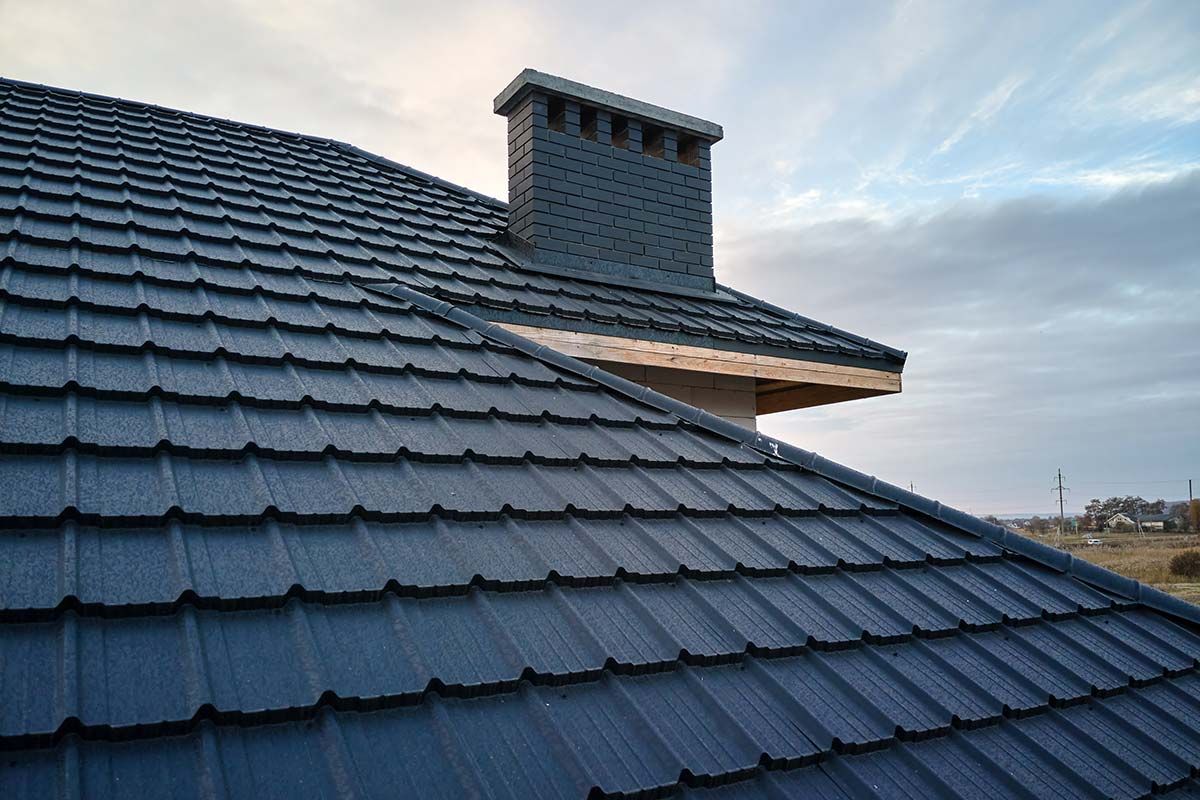
A metal shingle roof is a metal roof that goes on in small pieces, not long panels. The shingles overlap as they’re installed, and many systems are made to lock together so the surface stays tight in …

Winter in the Verde Valley isn’t “snow country,” but it’s also not Phoenix. We get cold nights, the occasional dusting, and quick weather swings. Sedona sits up around 4,500–4,800 feet, so freeze-thaw…
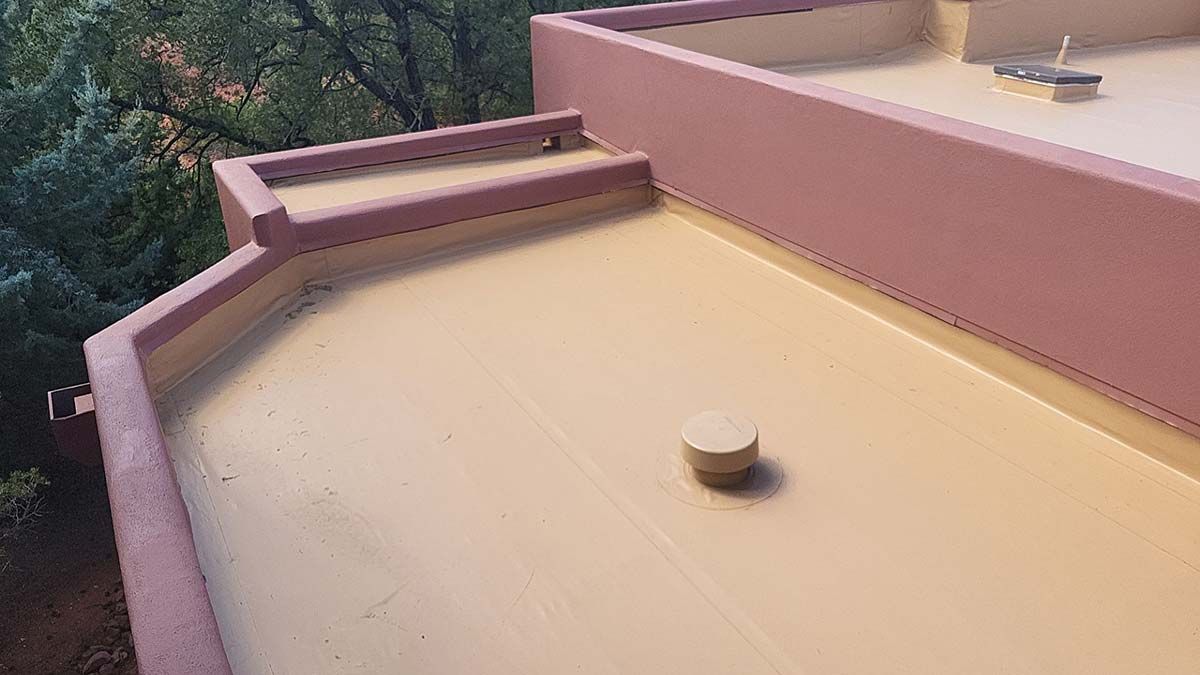
Flat roofs do well in Arizona, but winter is when small drainage issues turn into real headaches. It is rarely one big event. It is usually a slow backup at a scupper. A drain that runs fine until lea…
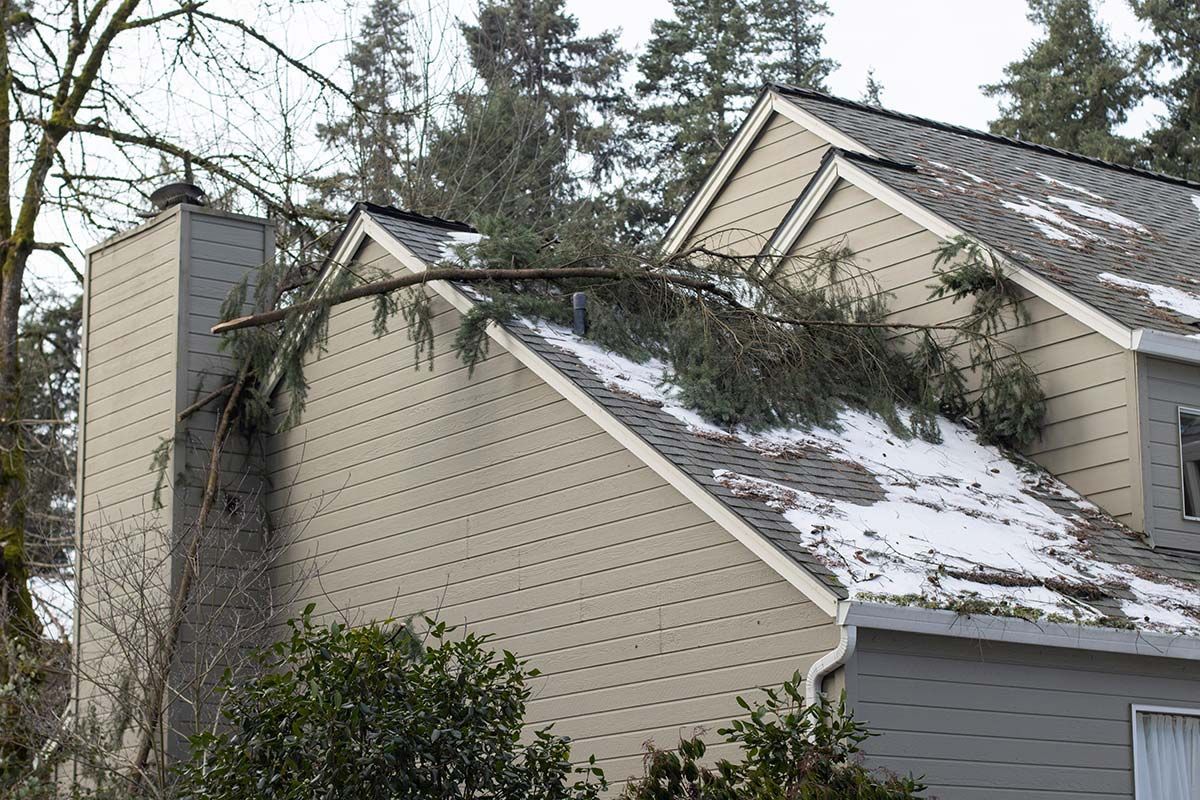
Winter roof preparation: roof maintenance, gutter repair, shingle check and leak prevention for Arizona homes ready for the winter months.
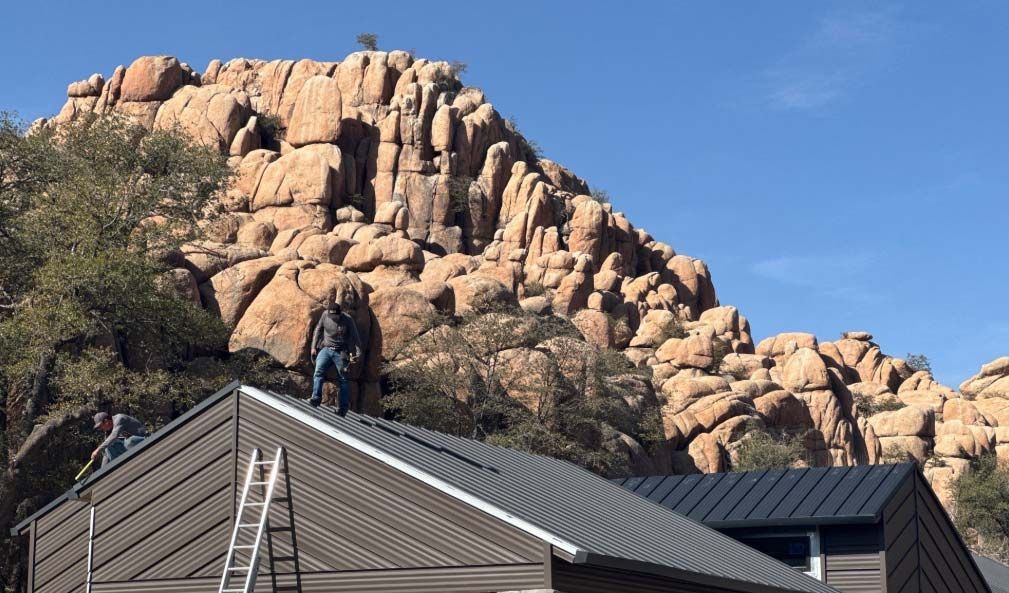
Fall roof maintenance tips for Cottonwood, Arizona homeowners—inspect, clean, and prepare your roof before winter rain and cold set in.
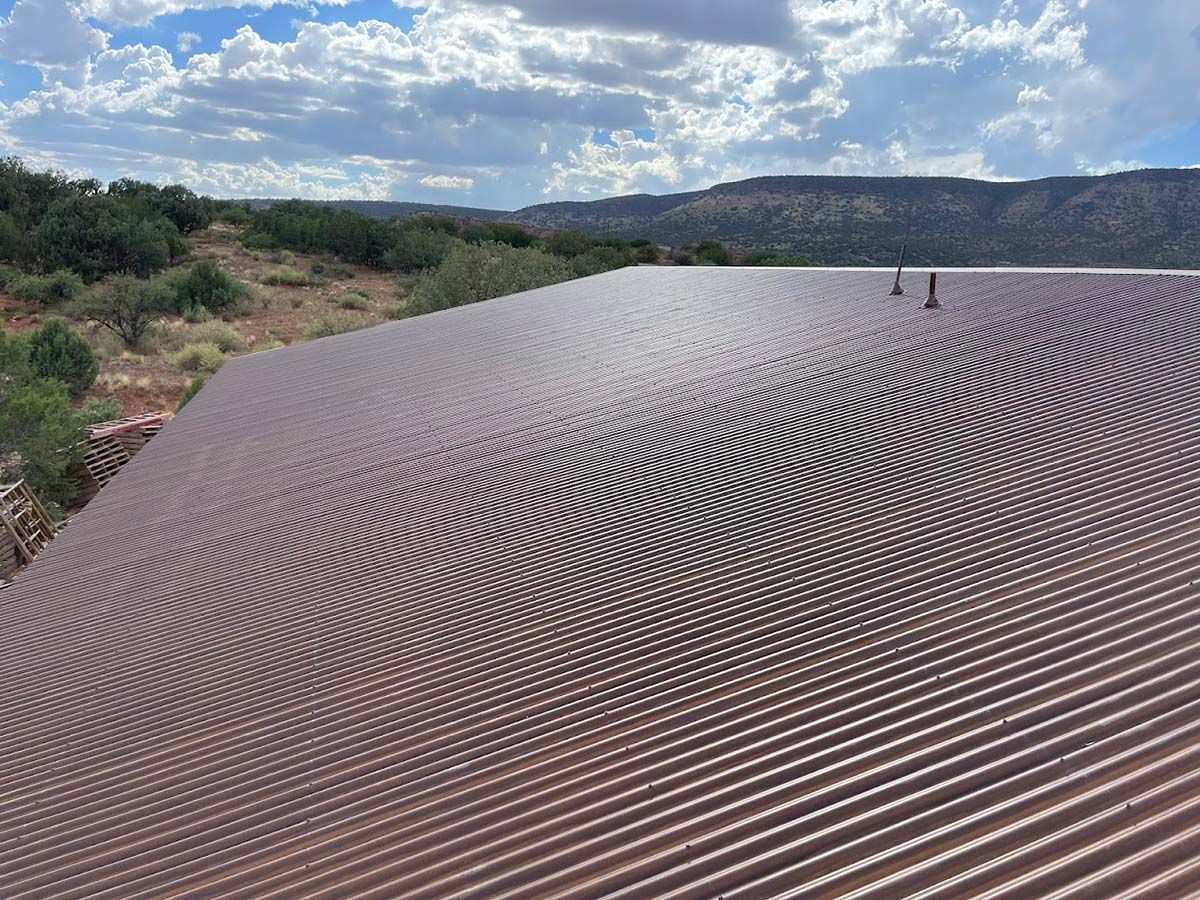
Discover how metal roofs handle Arizona’s extreme heat, monsoons, and hail. Learn why metal roofing is the best choice for homes in Sedona, Prescott, and Cottonwood.
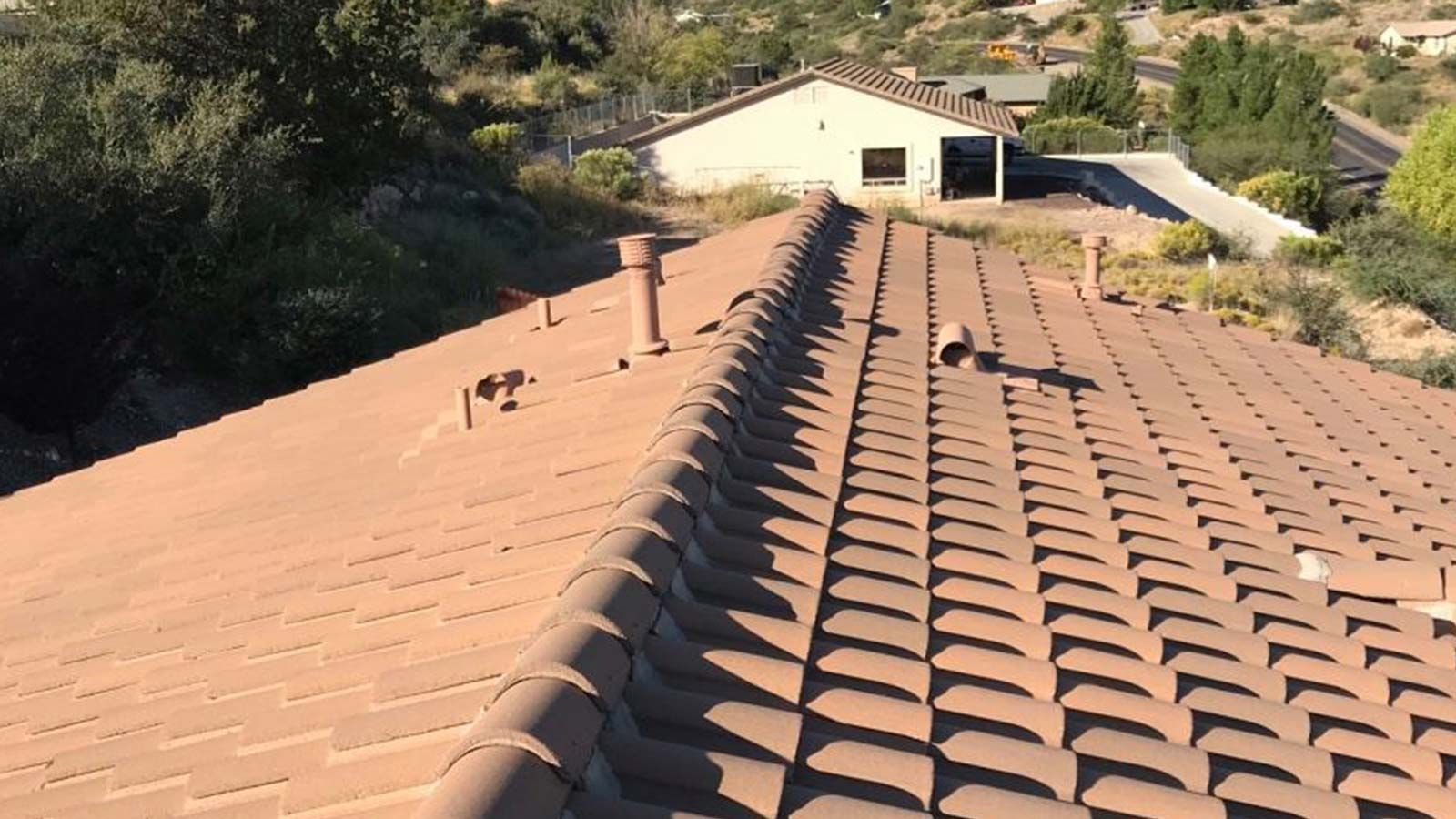
Get your roof ready for autumn in Cottonwood with these expert fall roofing tips. Learn about inspections, debris clearing, attic ventilation, and more!
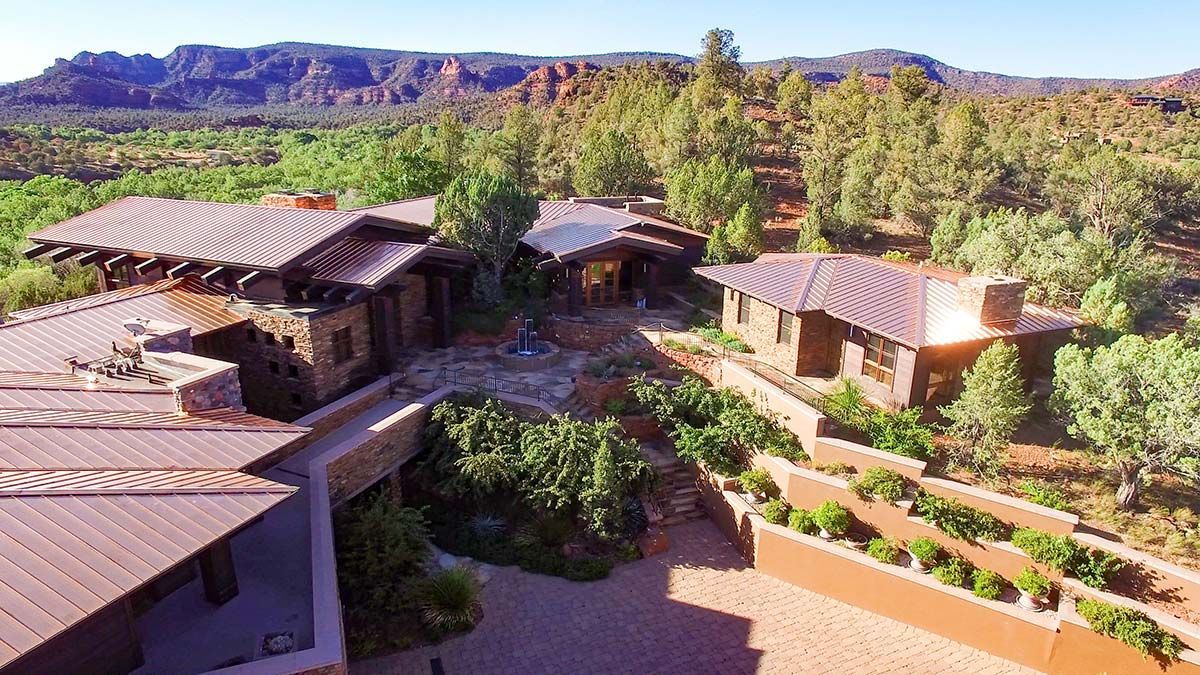
Wondering if a metal roof is worth it? Compare metal roofs vs. asphalt shingles for Arizona homes, including costs, durability, energy efficiency, and maintenance.