
Flat Roof Materials: A Guide for Modern Homes
January 4, 2024
What Is a Flat Roof?
- affordability
- additional functional space
- simple upkeep
- a shorter lifespan compared to sloped roofs
- the potential for water accumulation if not properly designed or maintained
 What Are the Different Types of Flat Roof Materials?
1. Built-Up Roofing
Built-Up Roofing (BUR)
- Begin by cleaning the roof surface and removing any debris.
- Next, apply a layer of insulation to improve energy efficiency.
- Install a vapor barrier to prevent moisture buildup.
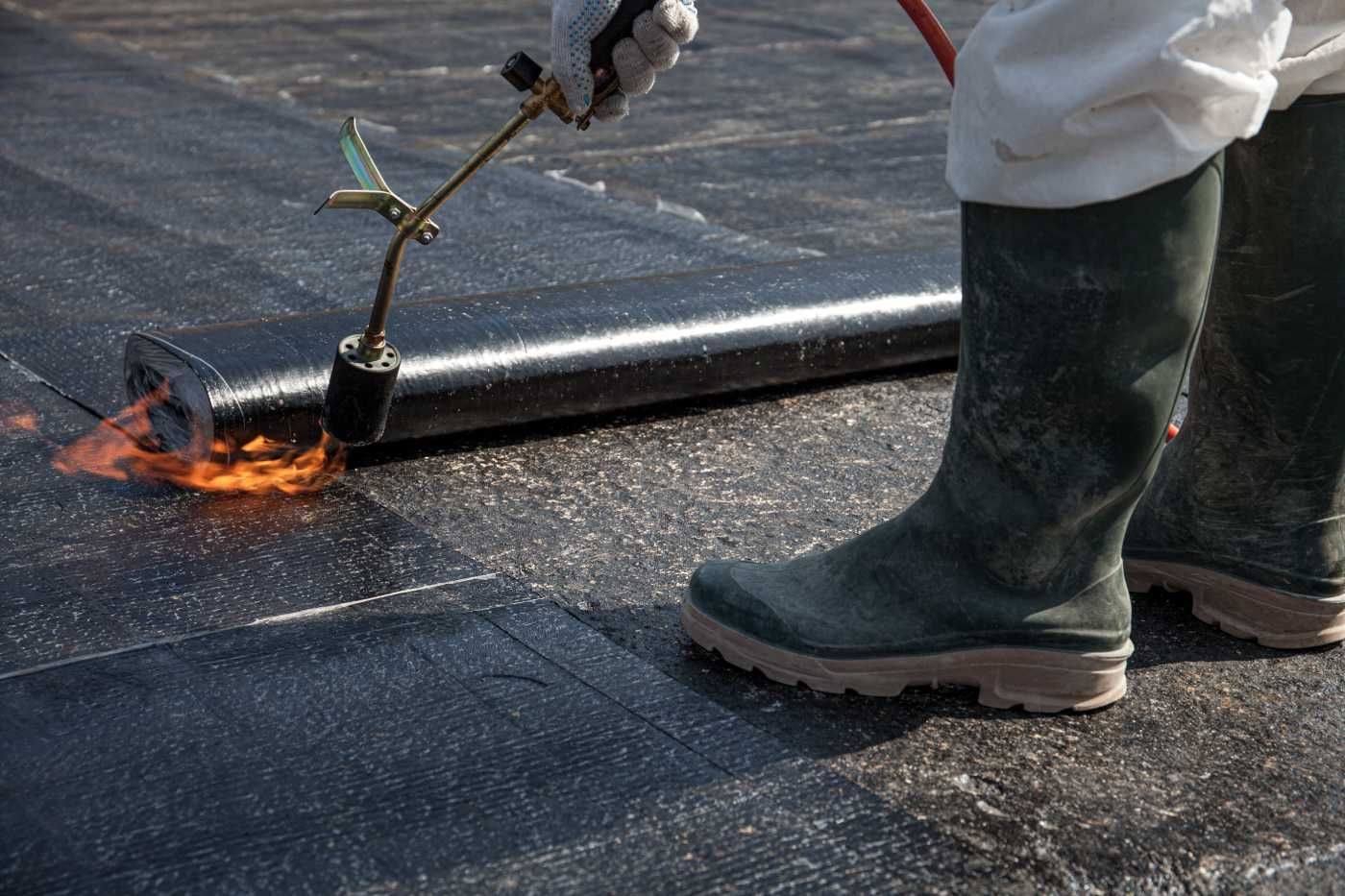
- Then, apply multiple layers of roofing felt, alternating with hot asphalt or coal tar pitch.
- Embed a layer of bitumen-coated fiberglass or polyester fabric between each layer for added strength.
- Smooth out the surface and finish off with a final layer of gravel or reflective coating to protect against UV rays.
2. Modified Bitumen Roofing
Modified Bitumen Roofing (MBR)
asphalt
3. EPDM Roofing
- Prepare the roof surface by cleaning and removing any debris or loose materials.
- Measure and cut the EPDM membrane to fit the roof dimensions.
- Apply adhesive to the roof surface using a roller or brush.
- Carefully place the EPDM membrane onto the adhesive, starting from one edge and smoothing it out as you go.
- Use a seam primer and adhesive to join multiple EPDM sheets together if necessary.
- Install edge trims and flashing to ensure a watertight seal around the roof edges and penetrations.
- Inspect the EPDM roofing regularly for any signs of damage or wear, and perform necessary repairs as needed.
4. PVC Roofing
- Consider your climate: PVC is resistant to extreme temperatures, making it suitable for both hot and cold climates.
- Evaluate the thickness: Thicker PVC membranes offer better protection against punctures and UV damage.
- Check for quality certifications: Look for PVC roofing materials that meet industry standards and have been tested for quality.
- Assess the warranty: Ensure that the PVC roofing product comes with a comprehensive warranty to cover any potential issues.
5. TPO Roofing
- Assess the slope and size of your roof to determine if TPO roofing is a suitable option.
- Consult with a professional to determine the appropriate thickness and color options that meet your specific needs.
- Prepare the roof surface by thoroughly cleaning it and removing any debris or existing roofing material.
- Improve energy efficiency and prevent condensation by installing insulation.
- Lay TPO sheets, ensuring proper overlap, and secure them with adhesives or heat-welding.
- Inspect and repair any seams or joints to ensure a watertight seal.
- Perform regular maintenance, including cleaning and inspecting for any potential damage.
6. Metal Roofing
- Assess the building's structural capacity to support the weight of metal roofing.
- Choose the type of metal roofing material, such as steel, aluminum, or copper , based on your budget and desired aesthetics.
- Select the appropriate metal roofing system, such as standing seam or corrugated panels , based on the roof's design and slope.
- Consider the climate and weather conditions, as metal roofing can expand and contract with temperature changes.
- Ensure proper insulation and ventilation to prevent condensation and potential issues like rust or corrosion.
- Consult with a professional contractor to determine the best installation method and obtain accurate cost estimates for Metal Roofing.
- Maintain regular inspections and maintenance to prolong the lifespan of your metal roof.
7. Green Roofing
- Assess your building's structural capacity to support the additional weight of a green roof.
- Choose the appropriate type of green roof, such as extensive (low-maintenance) or intensive (lush and diverse).
- Select suitable plants that can withstand the roof's conditions, including drought, heat, and wind.
- Install a waterproofing membrane to protect the roof from leaks and water damage.
- Add a drainage layer to allow excess water to flow away from the plants and prevent ponding water.
- Place a filter fabric to prevent soil from clogging the drainage system.
- Layer the growing medium (soil) on top, ensuring it provides adequate nutrients and drainage for the plants.
- Finally, plant the selected vegetation, maintaining proper irrigation and regular maintenance to ensure the longevity of the green roof.
 Which Flat Roof Material is Best for Your Building?
- Climate: It is crucial to consider the weather conditions in your area when choosing a material that can withstand extreme heat, cold, or heavy rainfall.
- Durability: Opt for a material that is highly durable and able to resist damage from UV rays, moisture, and foot traffic.
- Cost: Evaluate the initial cost, installation expenses, and long-term maintenance requirements of each material to determine the most cost-effective option.
- Energy efficiency: Look for materials with excellent thermal insulation properties to help reduce heating and cooling costs.
- Aesthetics: Take into account the appearance and architectural style of your building in order to select a material that complements the overall design.
What Are the Pros and Cons of Each Type of Flat Roof Material?
- Built-Up Roofing: This option offers durability and protection against UV rays, but it can be heavy and requires regular maintenance.
- Modified Bitumen Roofing: Known for its excellent waterproofing and flexibility, this material may be more expensive and have a shorter lifespan.
- EPDM Roofing: This type of roofing is known for its affordability and easy installation, but it may require more maintenance and is susceptible to punctures.
- PVC Roofing: Offers exceptional durability and resistance to chemicals, but it can be more expensive and less environmentally friendly.
- TPO Roofing: Provides good energy efficiency and resistance to UV rays, but it can be prone to punctures and shrinkage over time.
- Metal Roofing: This option is known for its longevity and fire resistance, but it can be noisy during rain and may require additional insulation.
- Green Roofing: Offers environmental benefits and insulation, but it can be costly to install and may require additional structural support.
Pro-tip:
 A Deeper Look at the Benefits of Using Flat Roof Materials
1. Cost-Effective
- Research: Look for materials with a good balance between cost and durability.
- Compare prices: Obtain quotes from different suppliers to compare costs.
- Consider lifespan: Calculate the long-term cost by factoring in the expected lifespan of the material.
- Energy efficiency: Choose materials that offer good insulation and can help reduce energy costs over time.
- Maintenance and repair: Evaluate the maintenance and repair costs associated with each material.
2. Easy Installation
- Prepare the roof surface by ensuring it is clean, dry, and free of debris.
- Apply a primer to the roof surface to promote adhesion of the roofing material and ensure an easy installation.
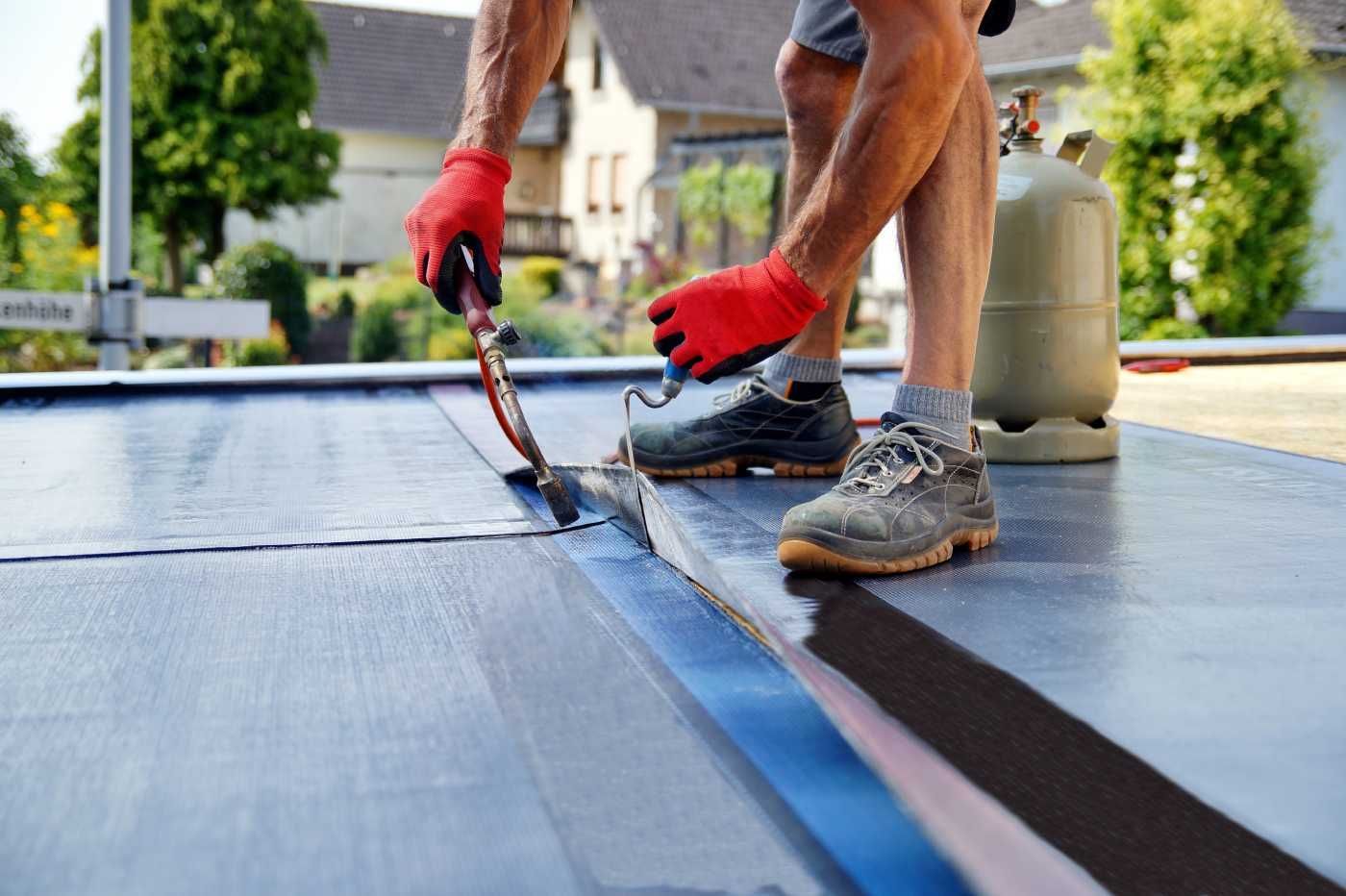
- Roll out the chosen flat roofing material, such as EPDM or PVC , and cut it to fit the roof dimensions with ease.
- Secure the roofing material in place using adhesive, screws, or other recommended fasteners for a hassle-free installation.
- Seal seams and edges to ensure a watertight and durable installation that is also easy.
- Inspect the installation to ensure it is free of any defects or areas of concern, making it an easy process overall.
3. Versatility
- Assess your building's needs: Consider the purpose of the roof space and the specific requirements, such as supporting rooftop gardens or solar panels.
- Research material options: Explore the various types of flat roof materials available, such as PVC, TPO, or metal, to determine which is the most versatile and best suits your needs and budget.
- Consider durability and maintenance: Evaluate the longevity and maintenance requirements of different materials to ensure they align with your desired level of upkeep.
- Think about customization: Some materials can be easily customized to fit unique roof shapes or designs, allowing for greater architectural flexibility and versatility.
- Consult with professionals: Seek advice from roofing experts or contractors to ensure you are making an informed decision based on your specific requirements.
4. Energy Efficiency
- Insulation : Installing high-quality insulation can prevent heat transfer and decrease energy consumption.
- Reflective surfaces : Opt for roofing materials with high solar reflectance to minimize heat absorption.
- Ventilation : It is important to ensure proper ventilation to prevent the buildup of hot air and reduce the need for excessive cooling.
- Maintenance : Regularly inspecting and maintaining the roof can address any damage or issues that may impact energy efficiency.
Fact:
 What Are the Potential Issues with Flat Roof Materials?
1. Ponding Water
- During construction, ensure that the roof has proper slope for water drainage.
- Regularly inspect and clean gutters and downspouts to prevent blockages.
- Consider installing roof drains or scuppers to provide an outlet for water.
- A tapered insulation system can also be installed to create a slope on the roof surface.
- Repair any damaged or sagging areas on the roof that may contribute to water pooling.
- Remove any debris or vegetation that may obstruct water flow.
- Consult with a professional roofing contractor for expert advice and solutions.
2. Leaks and Water Damage
- Regular inspections: Inspect your roof regularly for any signs of damage or deterioration, such as cracks or tears in the roofing material.
- Proper drainage: Make sure your roof has a functioning drainage system to prevent water from pooling and causing damage.
- Prompt repairs: If you notice any leaks or water damage, address them immediately to prevent further issues.
- Waterproofing: Apply a waterproof coating to your flat roof to provide an extra layer of protection against leaks and water damage.
- Professional maintenance: Schedule regular maintenance with a professional roofing contractor to identify and address any potential issues.
3. Maintenance and Repair Costs
- Regular inspections: Inspect the roof for any signs of damage or wear regularly.
- Address issues promptly: Deal with any identified problems immediately to prevent further damage.
- Implement preventive measures: Take steps to prevent common issues like leaks, such as applying waterproof coatings or sealants.
- Hire professional help: Engage experienced contractors specialized in flat roof maintenance and repairs.
- Invest in regular maintenance: Schedule routine maintenance to identify and fix minor issues before they escalate.
4. Lack of Insulation
Frequently Asked Questions
What are some common flat roof materials?
Which flat roof material is the most durable?
What is the most cost-effective flat roof material?
Can you walk on a flat roof with certain materials?
What is the average lifespan of flat roof materials?
Which type of flat roof material is best for waterproofing?
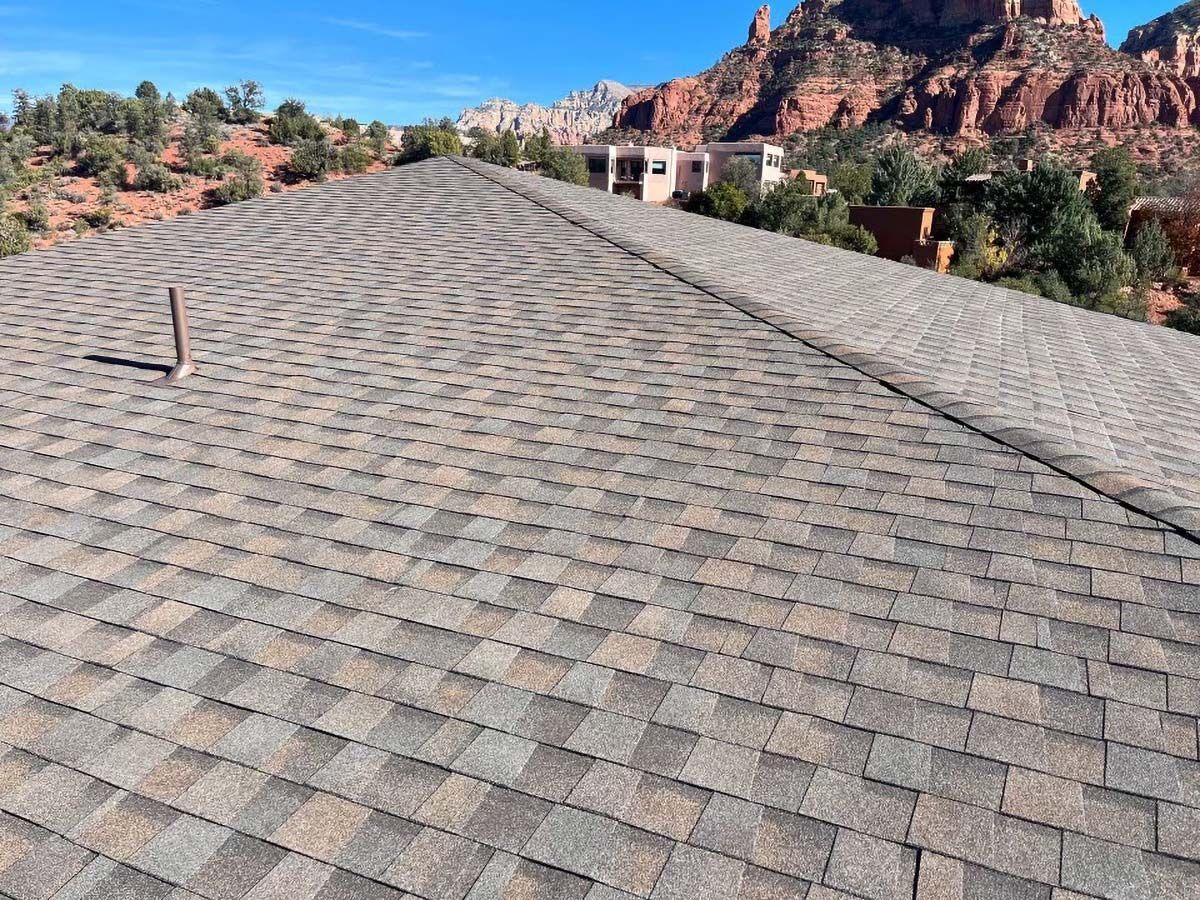
Sedona New Year roof checkup: quick signs to spot, what to notice inside, and when to book a professional roof inspection.

Holiday weather has a way of showing up at the worst time. People are traveling. Family is in town. The house is busy. And if your roof has a weak spot, that’s when you notice it. Most winter roof lea…
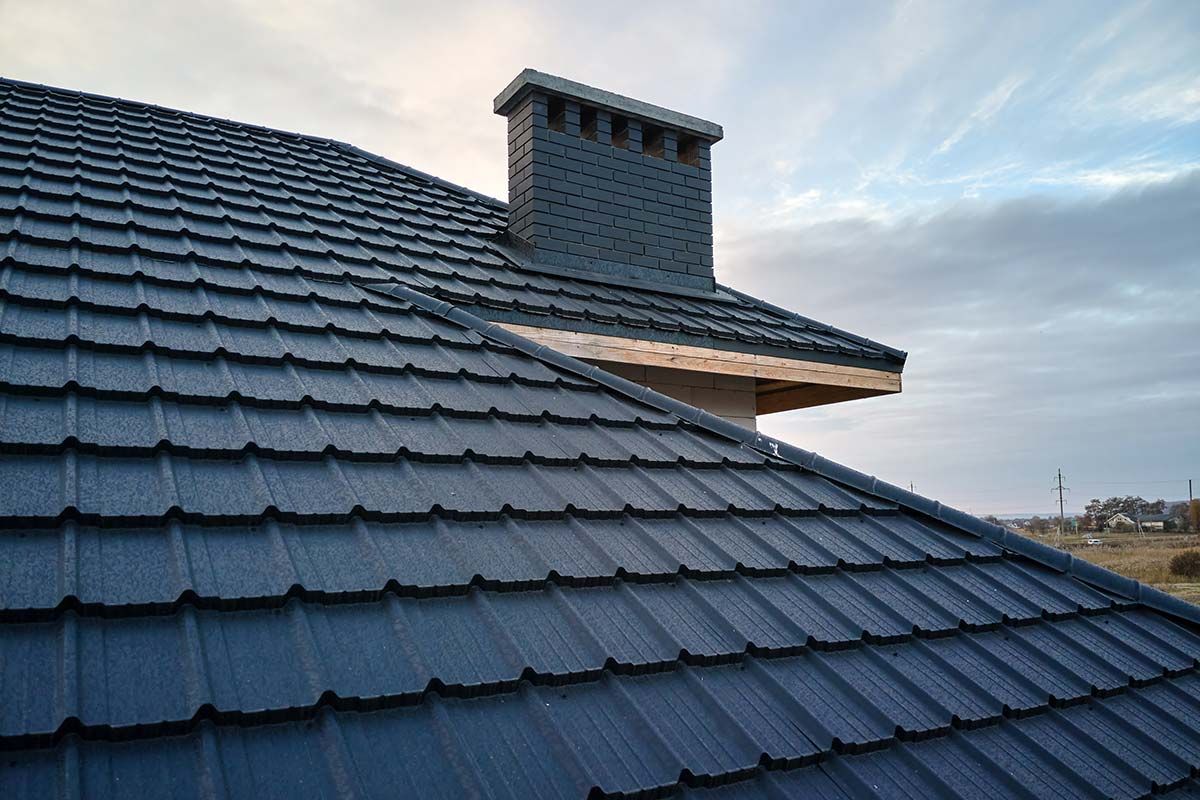
A metal shingle roof is a metal roof that goes on in small pieces, not long panels. The shingles overlap as they’re installed, and many systems are made to lock together so the surface stays tight in …

Winter in the Verde Valley isn’t “snow country,” but it’s also not Phoenix. We get cold nights, the occasional dusting, and quick weather swings. Sedona sits up around 4,500–4,800 feet, so freeze-thaw…
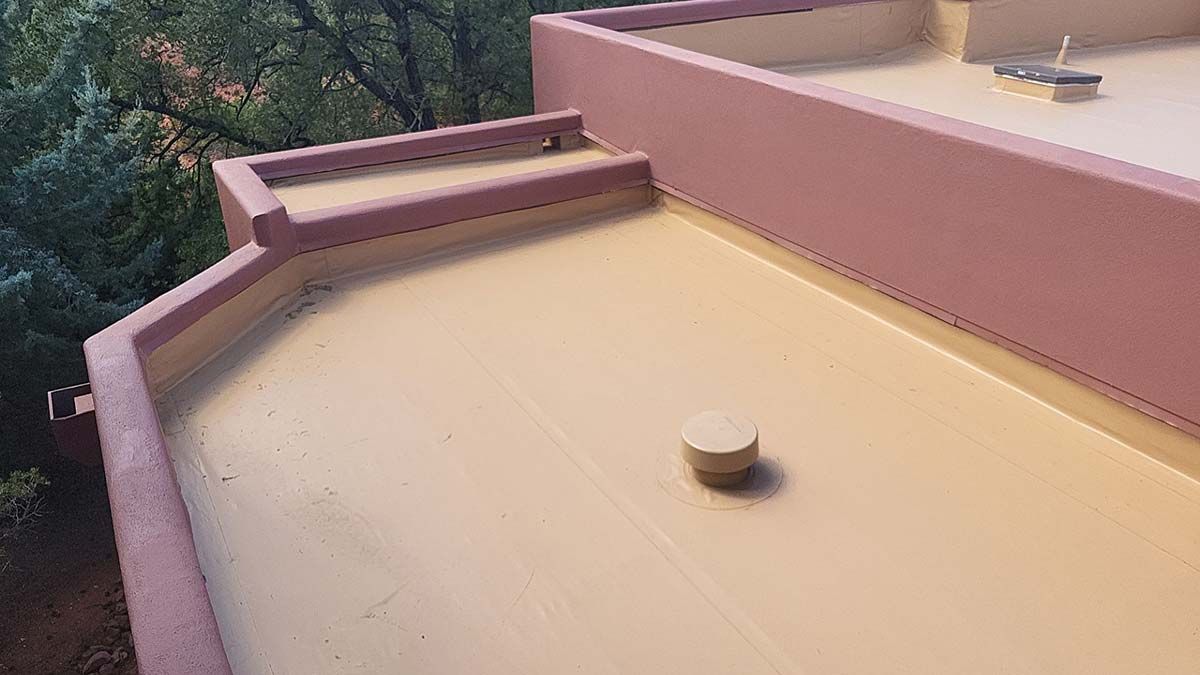
Flat roofs do well in Arizona, but winter is when small drainage issues turn into real headaches. It is rarely one big event. It is usually a slow backup at a scupper. A drain that runs fine until lea…
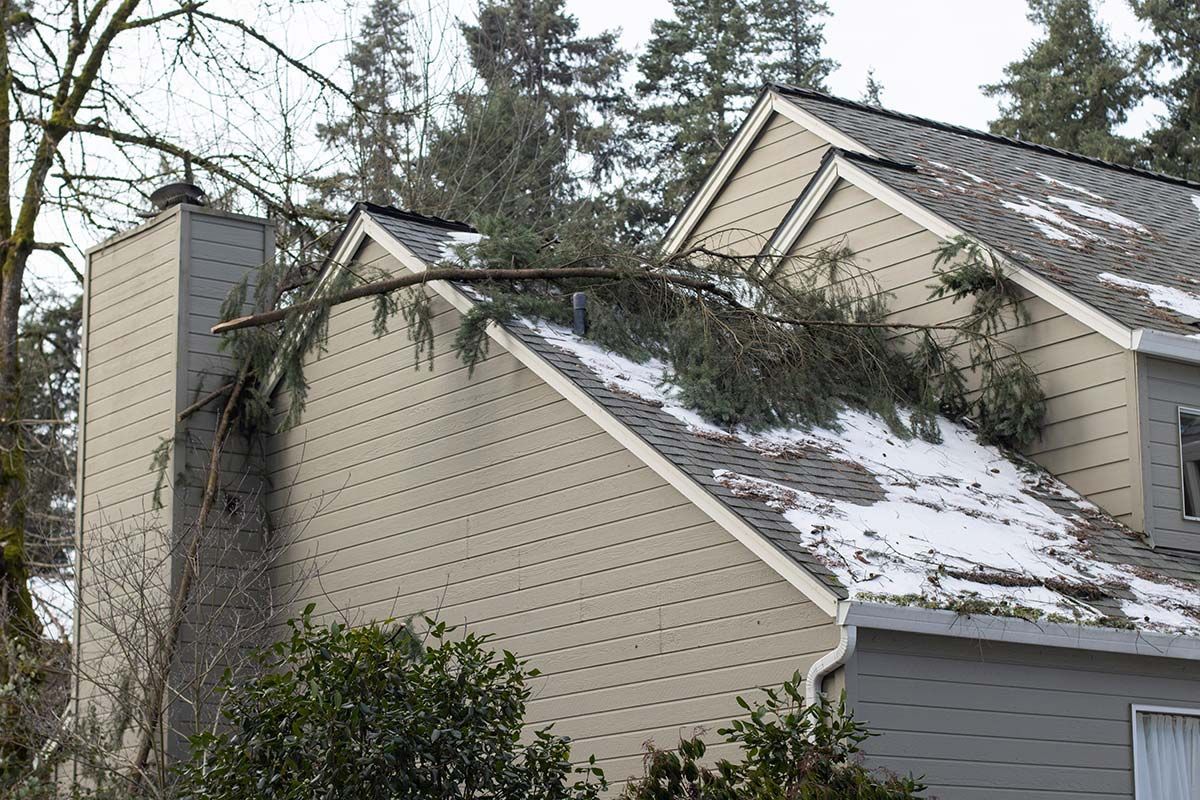
Winter roof preparation: roof maintenance, gutter repair, shingle check and leak prevention for Arizona homes ready for the winter months.
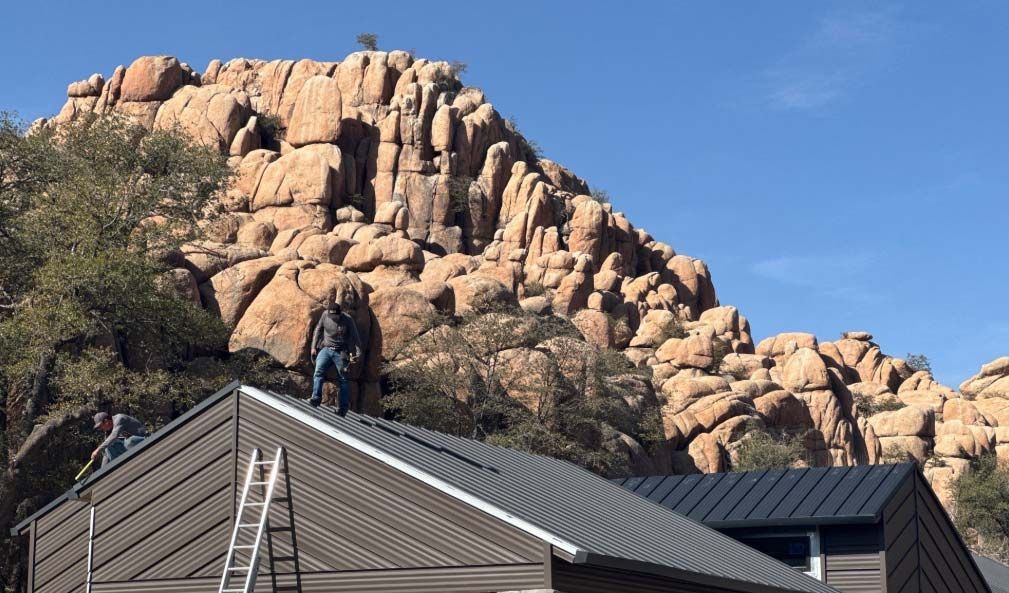
Fall roof maintenance tips for Cottonwood, Arizona homeowners—inspect, clean, and prepare your roof before winter rain and cold set in.
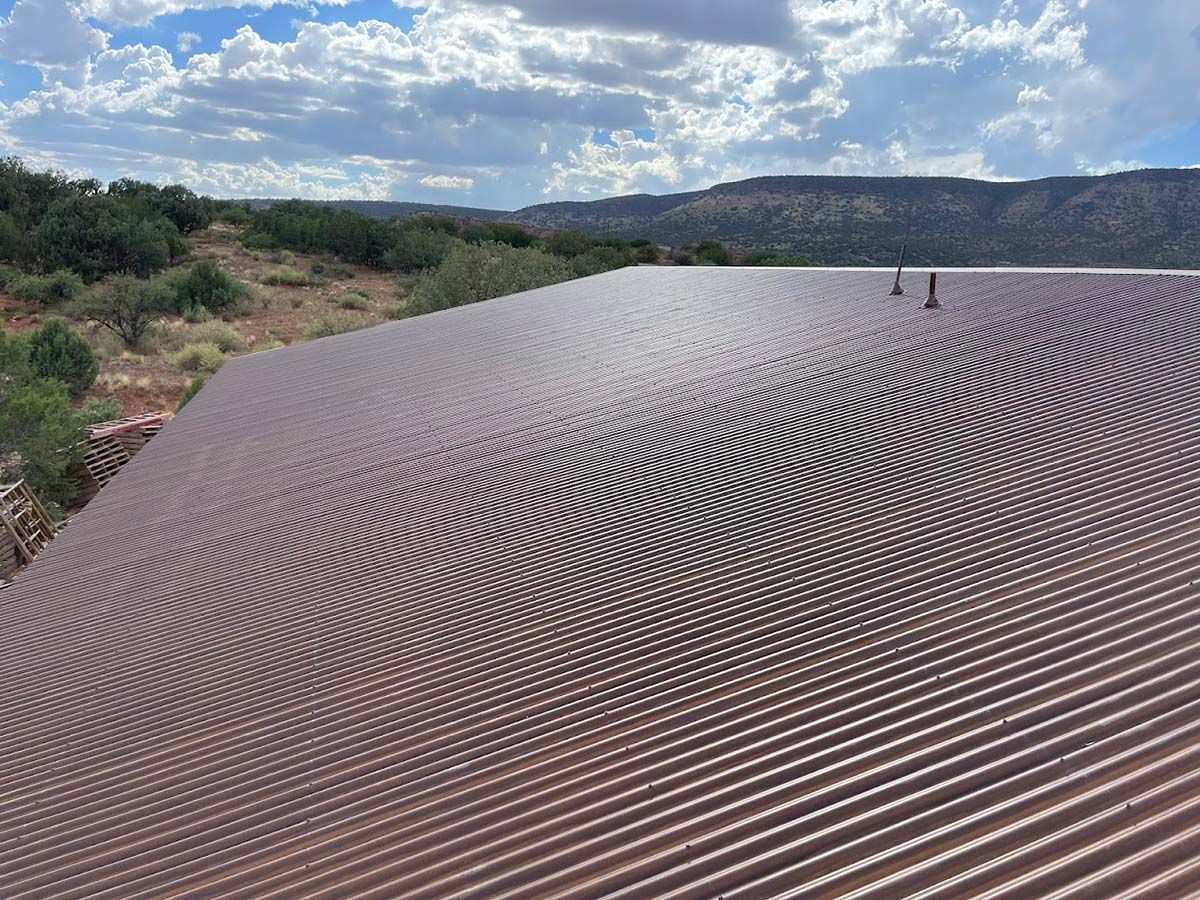
Discover how metal roofs handle Arizona’s extreme heat, monsoons, and hail. Learn why metal roofing is the best choice for homes in Sedona, Prescott, and Cottonwood.
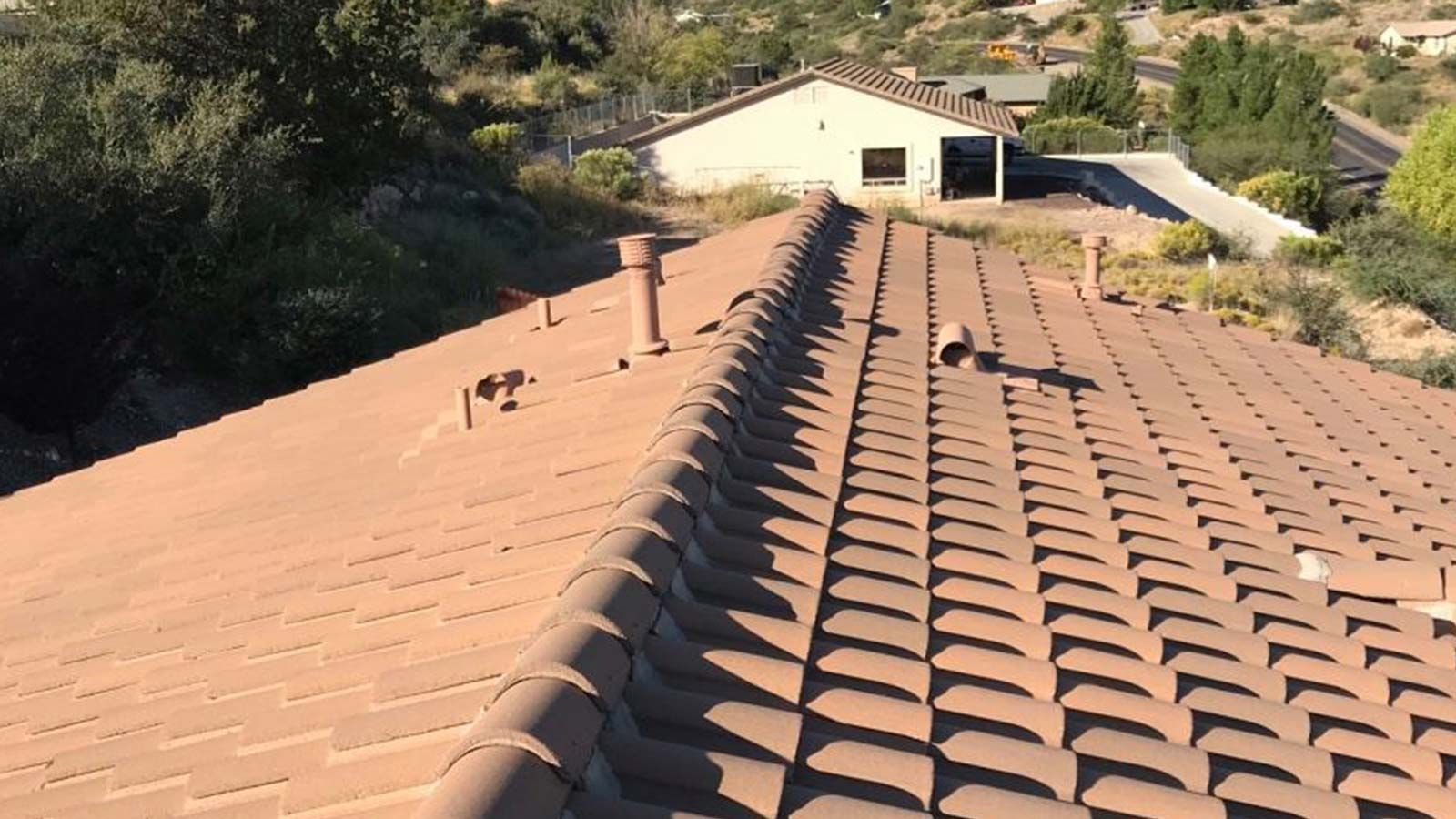
Get your roof ready for autumn in Cottonwood with these expert fall roofing tips. Learn about inspections, debris clearing, attic ventilation, and more!
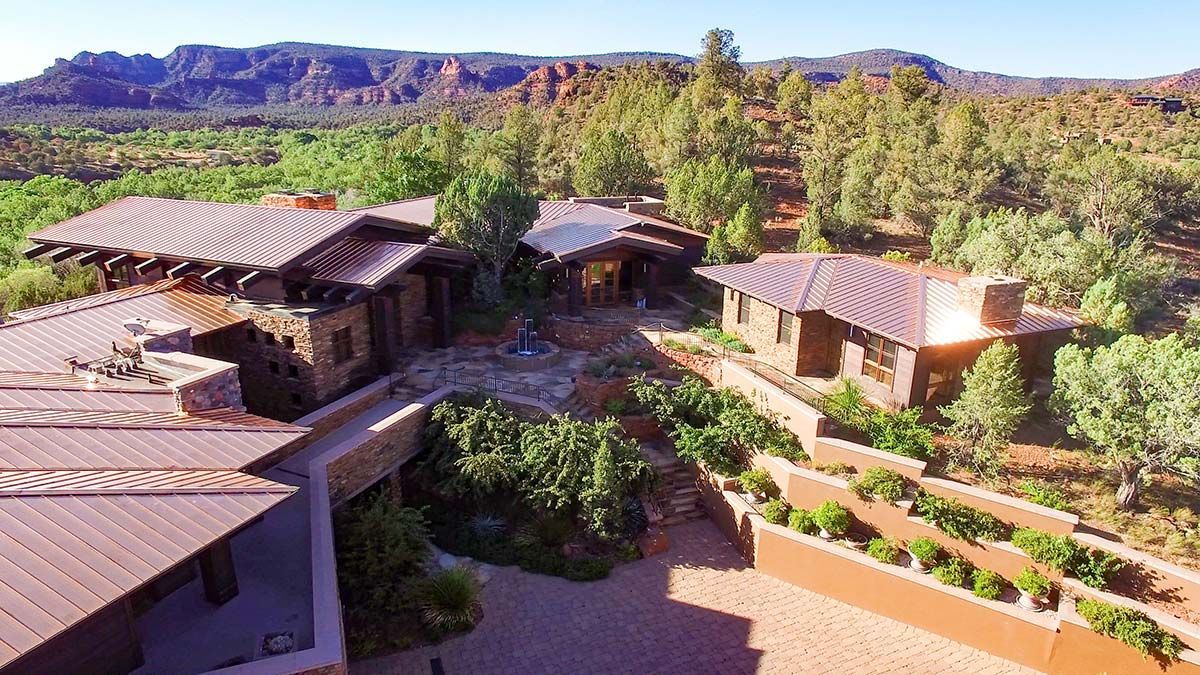
Wondering if a metal roof is worth it? Compare metal roofs vs. asphalt shingles for Arizona homes, including costs, durability, energy efficiency, and maintenance.